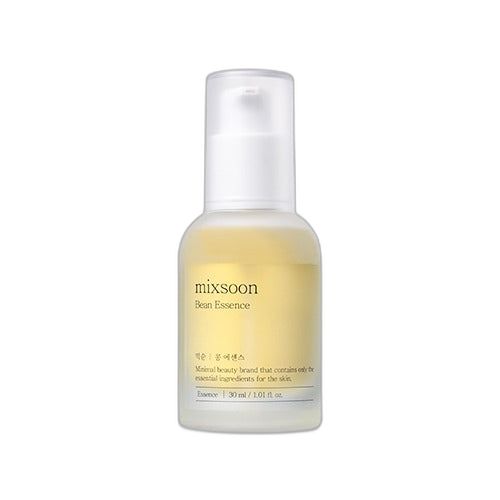
Here’s the simplest way to use a serum correctly: apply a few drops to slightly damp skin after cleansing and toning. Gently press it in, then follow up with your moisturizer. This straightforward K-Beauty method is the key to unlocking the full potential of these concentrated treatments for glowing, healthy skin.
The Power of Serums in Modern Skincare
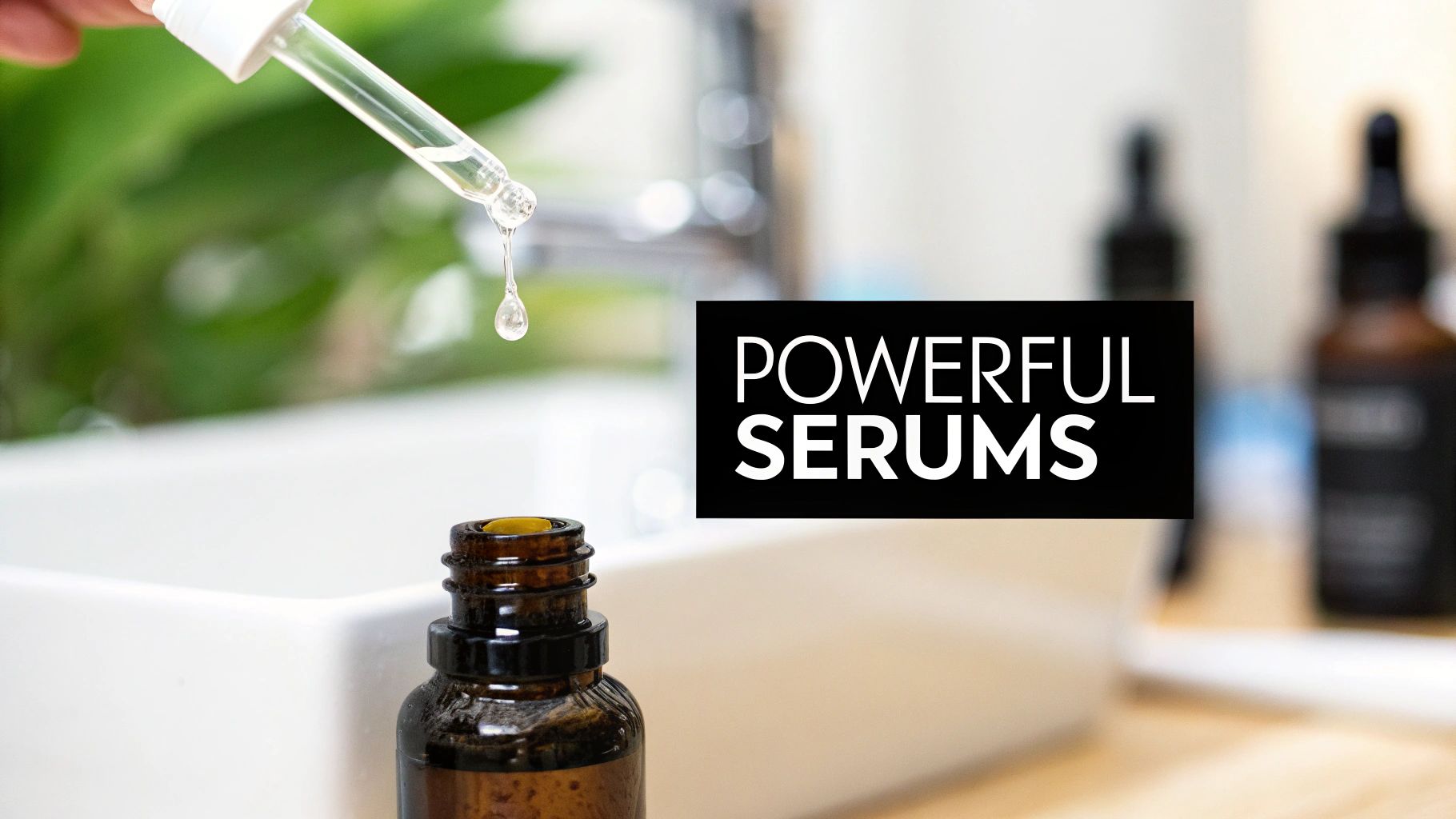
If you ask any K-Beauty enthusiast, they'll tell you serums are the heart of a results-driven skincare routine. They’re nothing like the thicker creams or lotions you might be used to, which mostly focus on hydration and protection. Instead, serums are lightweight liquids packed with a high concentration of active ingredients.
Think of them as potent, targeted treatments designed to deliver powerful molecules like Vitamin C, Retinol, or Snail Mucin directly where your skin needs them most. Their tiny molecular structure is their superpower-it allows them to penetrate deeper than other products, tackling specific concerns with incredible precision. This is exactly why they’ve become a cornerstone of K-Beauty, where achieving a healthy, radiant complexion is the ultimate goal.
From Clinical Treatment to Skincare Staple
Serums weren't always a bathroom-shelf staple. They started out as specialized clinical products but have since exploded into a global phenomenon, empowering everyone to take control of their skin health. This shift is obvious when you look at market trends.
The global skincare serum market is expected to jump from roughly USD 4.0 billion in 2025 to an incredible USD 7.1 billion by 2035. This massive growth highlights how people are moving beyond basic skincare and getting serious about targeted solutions. You can read more about this trend in skincare serum growth.
The reason for this surge is simple: they actually work. Whether you’re trying to brighten a dull complexion, soften the look of fine lines, or give thirsty skin a deep drink of hydration, there's a serum out there made to do just that.
The K-Beauty philosophy is all about personalizing your routine. Serums are the perfect tool for this, allowing you to mix, match, and layer different formulas to create a regimen that’s 100% unique to you.
Why Serums Are a Game Changer
Adding a serum to your daily ritual can make a huge difference in your skin's overall health and appearance. Here’s a quick breakdown of why they're so effective:
- Targeted Action: Serums are formulated to go after specific issues-like hyperpigmentation, loss of firmness, or stubborn acne-with a focused blend of ingredients.
- High Potency: They contain a much higher percentage of active ingredients compared to your average moisturizer, making them incredibly efficient.
- Deep Penetration: The lightweight, often water-based formula sinks in quickly and deeply, ensuring those potent ingredients get to where they can do the most good.
- Versatility: You can layer different serums to address multiple concerns at once, customizing your routine as your skin's needs change.
By understanding how to use a serum correctly, you're not just adding another step to your routine. You're bringing in a powerful, results-oriented product that can elevate your entire approach to skincare.
For a quick reference, here’s a simple table outlining the core steps.
Quick Guide to Serum Application
| Step | Action | Why It Matters |
|---|---|---|
| 1. Prep Your Skin | Cleanse and tone first. Apply serum to slightly damp skin. | Damp skin is more permeable, helping the serum absorb more effectively. |
| 2. Use the Right Amount | Dispense 2-3 drops (a pea-sized amount) into your palm. | A little goes a long way. Using too much can be wasteful and cause stickiness. |
| 3. Apply Gently | Warm the serum between your fingertips and gently press or pat it onto your face and neck. | Pressing motions encourage absorption without tugging at your skin. |
| 4. Wait a Minute | Allow the serum to fully absorb for about 60 seconds. | This prevents pilling and ensures the active ingredients have penetrated before you layer on your moisturizer. |
| 5. Lock It In | Follow up with your favorite moisturizer. | Moisturizer seals in the serum and provides a protective barrier, maximizing the benefits. |
Following these steps ensures you're getting the absolute most out of every single drop.
How to Prep Your Skin for Maximum Absorption
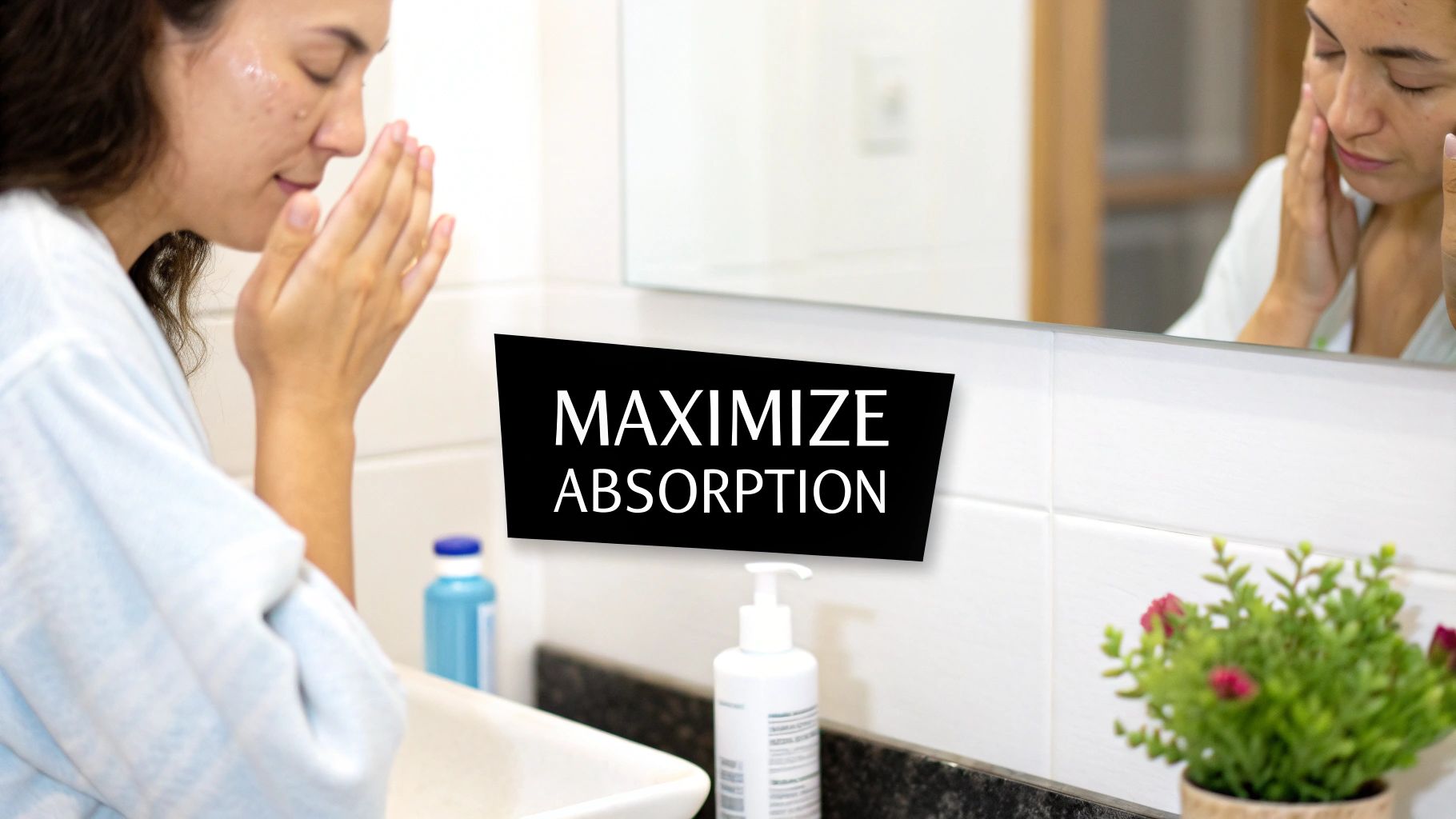
Ever tried wiping up a spill with a bone-dry sponge? It doesn't work very well. Now, imagine that sponge is your skin and the liquid is your pricey new serum. The same logic applies-properly prepped skin absorbs product far more effectively.
This is the secret to unlocking your serum’s full power. It’s all about creating the perfect canvas so every single concentrated drop can penetrate deeply instead of just sitting on the surface. And in the world of K-Beauty, that process starts with a flawless cleanse.
Start with a Truly Clean Slate
If you want your active ingredients to do their job, you can’t have a layer of makeup, sunscreen, and grime getting in the way. That’s why double cleansing is non-negotiable. This two-step ritual is the gold standard for a reason-it dissolves every last trace of impurities.
- First, an oil-based cleanser goes on dry skin to melt away stubborn, oil-based gunk like SPF and makeup. You massage it in, add a splash of water to emulsify, and then rinse clean.
- Next, a water-based cleanser (think foam or gel) washes away any leftover residue, sweat, and dirt. This leaves your pores totally clear and ready for what’s next.
When you're done, your skin should feel clean and balanced, never tight or stripped. That’s how you know you’ve created the perfect foundation.
Hydrate and Balance Immediately After
Okay, your skin is clean. Now for the step that truly sets your serum up for success: applying a toner or essence while your skin is still slightly damp. Don't skip this.
A good hydrating toner does two critical things at once. It instantly gives back the moisture your skin might have lost during cleansing, and more importantly, it balances your skin's pH. This creates the ideal environment for your serum's active ingredients to get to work.
Think of toning as priming a canvas before painting. It creates a smooth, hydrated base that allows your serum-the masterpiece-to glide on and sink in flawlessly.
This damp, pH-balanced state makes your skin way more permeable. The powerful molecules in your serum, whether it’s a fan favorite like the COSRX Advanced Snail 96 Mucin Power Essence or another treatment, can now travel much deeper into the skin where they’re needed most.
Proper prep is also about getting the most value from your products. A single 30 mL serum bottle can deliver 300-600 applications, and with some costing as little as USD 0.03 per use, you want to make sure every drop counts. Taking a minute to prep properly makes a huge difference in the results you’ll see. You can even explore more insights into the face serum market to see just how big this category has become.
The Art of Application: How Much and How Often
When it comes to highly concentrated skincare like serums, the “more is better” mindset just doesn’t work. These formulas are powerful, and using them correctly is all about precision-both in the amount you use and how often you apply it. Overdo it, and you risk irritation and wasting a precious product. Underdo it, and you won’t see the results you’re hoping for.
Let’s move past the vague "pea-sized amount" advice. For most serums, 2-4 drops is the sweet spot. This is usually just enough to create a thin, even layer across your entire face and neck without leaving a sticky or greasy feel. Remember, these formulas are designed to be efficient, so a little truly goes a long way.
The Gentle K-Beauty Pressing Technique
How you apply your serum is just as important as how much you use. Instead of rubbing it in like a traditional lotion-which can cause unnecessary friction and pull on delicate skin-the K-Beauty method emphasizes a gentle pressing technique.
It’s simple but incredibly effective:
- Dispense the 2-4 drops of serum onto your fingertips.
- Gently rub your fingertips together for a moment to warm the product up.
- Lightly press or pat the serum onto your face and neck, focusing on areas that need the most attention.
This patting motion does more than just prevent tugging on your skin. It actually helps push the product into your skin, enhancing absorption and ensuring those active ingredients penetrate more deeply. It’s a small change that can make a huge difference in your results.
Finding Your Rhythm: AM vs. PM Application
Deciding when to use your serum all comes down to its ingredients and its purpose. Not all serums are meant for twice-daily use, and applying the wrong one at the wrong time can be ineffective or even counterproductive.
A simple rule of thumb: use your mornings for protection and your evenings for repair. This helps align your products with your skin's natural daily cycle.
For instance, antioxidant-rich serums, like those with Vitamin C, are perfect for your morning routine. They help shield your skin from environmental aggressors like UV rays and pollution you encounter throughout the day. In one study, 98% of users reported brighter-looking skin after just four weeks of using a targeted morning serum.
On the other hand, serums with potent repairing or resurfacing ingredients are best saved for nighttime. This includes formulas containing:
- Retinoids: These powerhouse ingredients accelerate cell turnover and boost collagen production, but they can also increase sun sensitivity.
- Exfoliating Acids (AHAs/BHAs): Serums with glycolic or salicylic acid are amazing for refining texture, but they should be used at night to avoid sun exposure on freshly exfoliated skin.
- Peptides: These work best while you sleep, supporting your skin’s natural regenerative processes.
Hydrating serums, like those with Hyaluronic Acid or Mirai Skin's favorite, Snail Mucin, are generally versatile enough for both AM and PM use. They provide a constant supply of moisture, keeping your skin plump and resilient around the clock. By tailoring your serum schedule to its function, you’ll know exactly how to use a serum for maximum impact.
Mastering Skincare Layering with Serums
The art of layering is the heart of K-Beauty, but it’s more than just slapping on products. It’s a thoughtful approach to ensure your skin gets the maximum benefit from each step. The goal is to create a harmonious routine where products work together, not against each other. It all comes down to understanding texture, ingredient compatibility, and what your skin is asking for.
The golden rule is beautifully simple: apply your products from the thinnest to the thickest consistency. This lets lightweight, watery formulas sink in and do their job before you seal everything with heavier creams. For instance, a watery hyaluronic acid serum should always go on before a richer, more viscous snail mucin formula.
This visual guide breaks down the three core application steps that make all the difference.
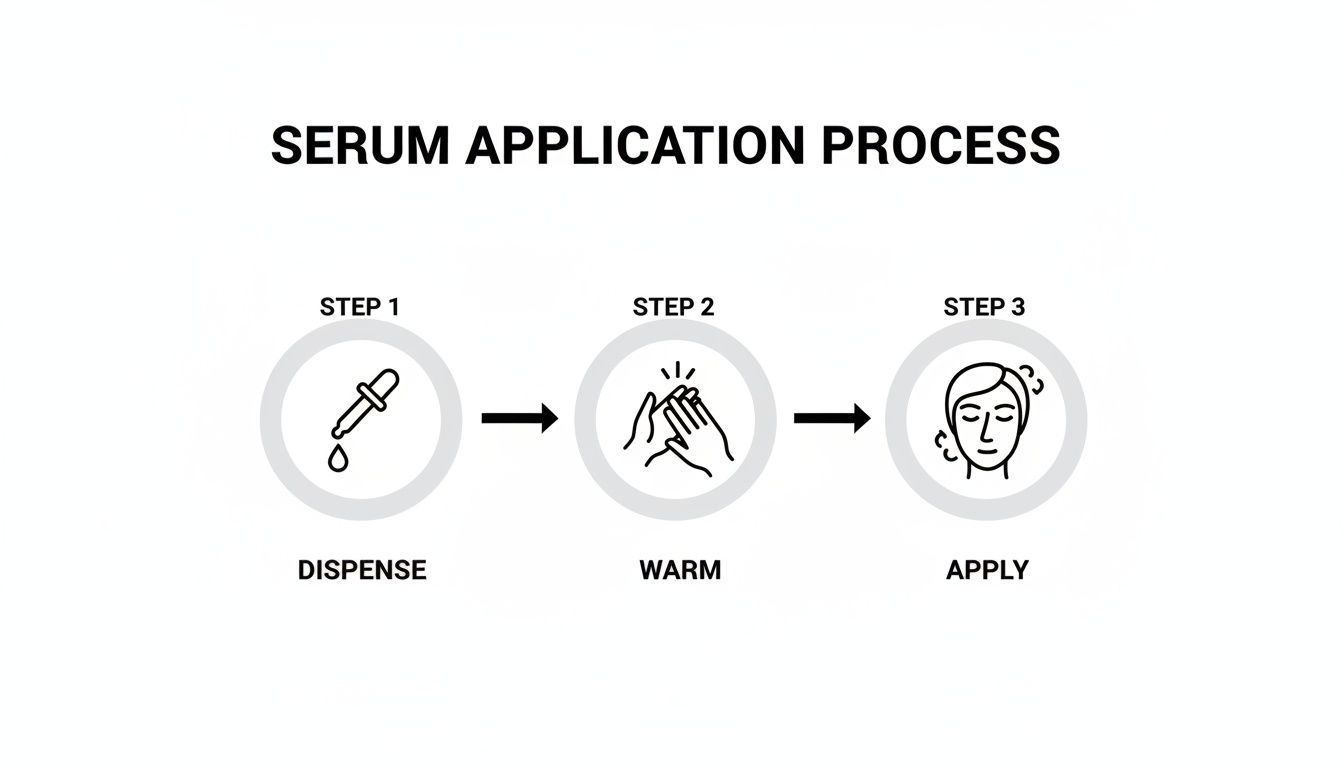
As you can see, how you apply a serum-dispensing the right amount, warming it between your palms, and gently pressing it in-is just as important as the product itself for boosting absorption.
Smart Ingredient Pairings
Beyond texture, knowing which active ingredients play well together is your secret weapon for incredible results. Some combinations amplify each other's benefits, while others can cause irritation or even cancel each other out.
Here are a few powerhouse duos we always recommend:
- Vitamin C + Ferulic Acid and Vitamin E: This is the ultimate antioxidant dream team. Ferulic acid and Vitamin E help stabilize the notoriously fussy Vitamin C, dramatically boosting its power to fight off environmental damage and brighten your complexion.
- Niacinamide + Snail Mucin: A godsend for barrier repair. Niacinamide works to shrink the appearance of pores and even out skin tone, while the hydrating and healing properties of snail mucin soothe and repair.
- Hyaluronic Acid + Any Active: Think of hyaluronic acid as the ultimate supportive friend. It floods the skin with moisture, which not only gives you that plump, dewy look but also helps buffer the potentially irritating side effects of stronger actives like retinoids.
Ingredients to Keep Separate
On the other hand, some potent ingredients are best kept in separate routines to avoid a chemical showdown on your face. Mixing them can lead to redness, peeling, and a compromised skin barrier-exactly what we want to avoid.
A great way to use potent actives is to alternate them. Use an exfoliating acid serum one night and your retinol the next. This gives your skin a chance to reap the benefits of both without getting overwhelmed.
Here are some classic pairings to keep apart:
- Retinol + AHAs/BHAs (like Glycolic or Salicylic Acid): Both are brilliant exfoliants, but using them together is a fast track to over-exfoliation and serious irritation.
- Vitamin C (L-Ascorbic Acid) + AHAs/BHAs: The low pH of most effective Vitamin C serums can clash with the pH of exfoliating acids. This can destabilize the Vitamin C and increase the likelihood of sensitivity.
- Retinol + Benzoyl Peroxide: This is a tricky one. In some cases, this combination can actually deactivate the retinol, making both ingredients less effective at fighting acne.
Your AM and PM Serum Blueprint
To pull it all together, it helps to think of your morning routine as your defense shield and your evening routine as your repair crew. This simple mindset ensures your skin gets exactly what it needs, when it needs it.
AM vs. PM Serum Layering Guide
Deciding which serum to use when can feel confusing, but it’s actually quite logical. Mornings are for protection against the day's environmental stressors, while evenings are for repair and treatment. This table breaks it down.
| Time of Day | Recommended Serums | Reasoning |
|---|---|---|
| AM | • Vitamin C • Hyaluronic Acid • Niacinamide |
Focus on antioxidants and hydration. Vitamin C protects against UV and pollution damage, while Hyaluronic Acid and Niacinamide keep skin plump and fortified all day. |
| PM | • Retinoids • AHAs/BHAs • Snail Mucin |
This is the time for repair and exfoliation. Retinoids and chemical exfoliants work best overnight without sun interference. Snail mucin aids in healing and regeneration. |
By separating your serums this way, you give each active ingredient the ideal environment to work its magic without causing unnecessary stress on your skin.
And finally, don’t forget the most critical step. The amazing benefits of your carefully chosen serums can be completely undone by sun exposure. Daily sunscreen is non-negotiable. Studies show that UV exposure can reverse collagen gains and make pigmentation worse, effectively canceling out your serum's hard work. With sunscreen use still below 50% in many places, it's the one step people skip that severely limits their results. You can find more insights on this in the latest serum market report.
Common Serum Mistakes to Avoid
So you’ve been using a serum religiously but aren't seeing the results you were hoping for. Don't give up just yet. More often than not, the problem isn't the serum itself but a small, easy-to-fix mistake in how you're using it.
Getting the most out of these powerful formulas is a bit of an art. Let's troubleshoot some of the most common errors that could be standing between you and that coveted K-Beauty glow.
Applying Serum to Dry Skin
This is probably the biggest mistake we see. Applying your serum to bone-dry skin is like trying to water a plant with hardened, cracked soil-it just doesn't absorb well. Think of your skin as a sponge. A damp sponge soaks up moisture instantly, while a dry one takes a moment to get going.
To fix this, apply your serum right after cleansing and toning while your skin is still slightly damp. This simple change in timing makes a world of difference, allowing the active ingredients to penetrate deeper and work more effectively. If you wait, the serum has to fight to get past the surface, and you lose out on its full potential.
Using Too Much or Too Little
When it comes to concentrated serums, less is definitely more. It's tempting to slather on a thick layer, thinking it will fast-track your results, but it usually does the opposite. Overloading your skin can lead to a sticky finish, cause pilling under your moisturizer, and honestly, it’s just a waste of a good product.
For most formulas, 2-4 drops are all you need for a thin, even layer across your entire face and neck. Remember, consistency beats quantity every time. Using the right amount daily is what truly leads to visible, lasting change.
The K-Beauty philosophy is all about respecting the product and the process. Using the right amount shows an understanding that effective skincare is about precision, not excess.
Not Allowing Proper Absorption Time
Patience really is a virtue in skincare. After gently pressing your serum into your skin, you need to give it a minute to actually sink in. Rushing straight to your moisturizer can dilute the serum's potency and interfere with its absorption.
Just pause for about 60-90 seconds. You'll know it's ready when your skin feels slightly tacky but no longer wet. This little break ensures the active ingredients have had a chance to do their job before you seal everything in with your moisturizer.
Misunderstanding Skin Reactions
Introducing powerful actives like retinoids or AHAs can sometimes cause a temporary reaction. The key is knowing whether your skin is purging or having a true allergic reaction.
-
Purging: This is when an active ingredient speeds up cell turnover, pushing underlying congestion to the surface. It usually shows up as small pimples or whiteheads in your typical breakout zones and should clear up within 4-6 weeks. It's annoying, but it's actually a sign the product is working.
-
Allergic Reaction: This is a sign of genuine sensitivity. It often looks like redness, hives, intense itching, or breakouts in places you don't normally get them. If this happens, stop using the product immediately.
Knowing the difference will help you stay calm and confident when adding new, potent serums to your routine. By sidestepping these common pitfalls, you'll be well on your way to achieving that healthy, radiant skin you're after.
Your Serum Questions Answered
Even after you've nailed the basics, a few questions about using serums can still pop up. At Mirai Skin, we believe in empowering you with knowledge. Let’s clear up some of the most common questions we hear so you can build a routine that feels second nature.
Can I Use a Serum Without a Moisturizer?
This is a big one, and the short answer is no, you really shouldn't. Think of serums and moisturizers as a power couple-they have two totally different but equally important jobs.
Your serum is the specialized treatment. It’s packed with a high concentration of active ingredients designed to sink deep into your skin and tackle specific issues like dullness or fine lines.
A moisturizer, on the other hand, works on the surface. Its main role is to create a protective barrier that locks in all the benefits of your serum and, just as importantly, prevents moisture from evaporating out of your skin (a process called transepidermal water loss, or TEWL). If you skip it, you're not getting the full benefit of your serum, and you might even end up with dehydrated skin. Always follow up with a moisturizer to seal the deal.
How Long Should I Wait Between Applying Serum and Moisturizer?
Give your serum a minute to sink in before you move on. Rushing this step is a common mistake that can cause your products to pill and reduce their effectiveness.
As a general rule, wait about 60 to 90 seconds. You're aiming for that perfect moment when your skin no longer feels wet, but has a slightly tacky feel. This little pause ensures the serum's active ingredients have had a chance to properly penetrate before you layer anything else on top.
It's like letting a coat of primer dry before you paint. Allowing each layer to set properly creates a flawless, high-performance finish.
When Will I See Results from a New Serum?
Patience is probably the hardest part of skincare! How quickly you see results really depends on the serum's ingredients and the problem it's trying to solve. Some benefits are immediate, while others are more of a slow burn.
- Immediate Effects: Hydrating serums with ingredients like Hyaluronic Acid or Snail Mucin often deliver instant gratification. You’ll likely notice your skin looks and feels plumper and bouncier right after you apply it.
- Long-Term Results: For serums targeting things like hyperpigmentation, fine lines, or uneven texture, consistency is everything. Ingredients like Vitamin C or retinoids work on a cellular level, which takes time. You’ll typically need to use them consistently for 4 to 8 weeks to see real, lasting changes.
Do I Need to Use a Serum Every Day?
It all comes down to the intensity of the formula. Most serums are meant for daily use, but some potent ones need a more measured approach.
Gentle hydrating and antioxidant serums-think Niacinamide or Vitamin C-are perfect for daily use, both morning and night. They help maintain a healthy skin barrier and shield you from daily environmental stressors.
However, stronger exfoliating serums with AHAs/BHAs or high-strength retinoids are a different beast. These should be introduced slowly into your nighttime routine, maybe just 2-3 times a week to start. This gives your skin time to adjust, letting you get all the benefits without causing irritation. The golden rule is always to listen to your skin.
Ready to find the perfect serum to elevate your routine? Explore the curated collection of authentic K-Beauty serums at Mirai Skin and discover targeted treatments for every skin concern. Shop our best-selling serums today