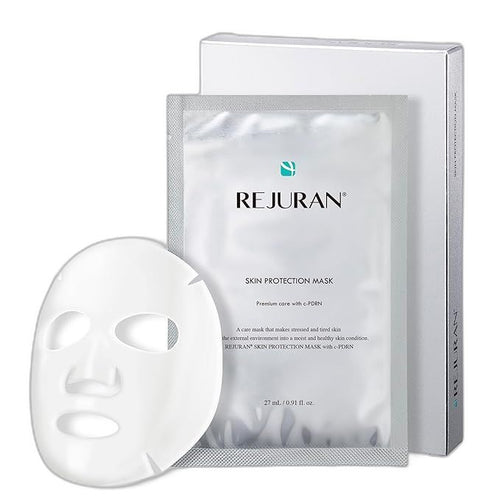
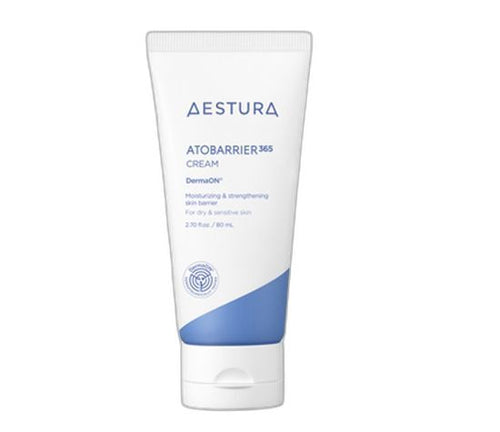
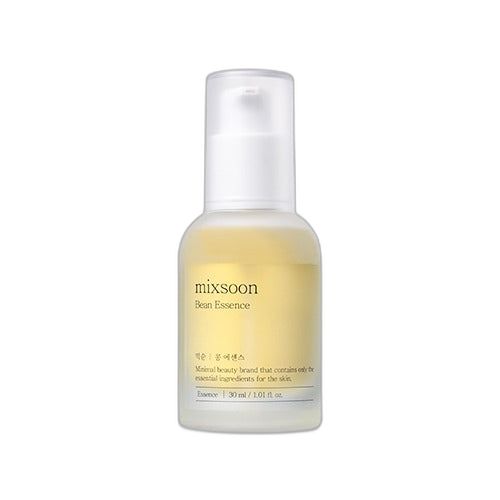
Acne scars often linger because inflammation and collagen loss during breakouts don’t simply vanish-they leave behind dark spots or shallow depressions. By understanding exactly how these marks develop, you can craft a Korean-inspired routine that targets both pigmentation and texture. Mirai Skin’s expert-recommended regimen uses proven actives and precise layering to deliver visible improvement and lasting clarity.
How Acne Scars Develop
Scar tissue begins forming almost immediately after a blemish resolves. In post-inflammatory hyperpigmentation (PIH), melanocytes lay down extra pigment as they repair damage. At the same time, atrophic scars appear when collagen breakdown outpaces rebuilding-resulting in visible pits or depressions.
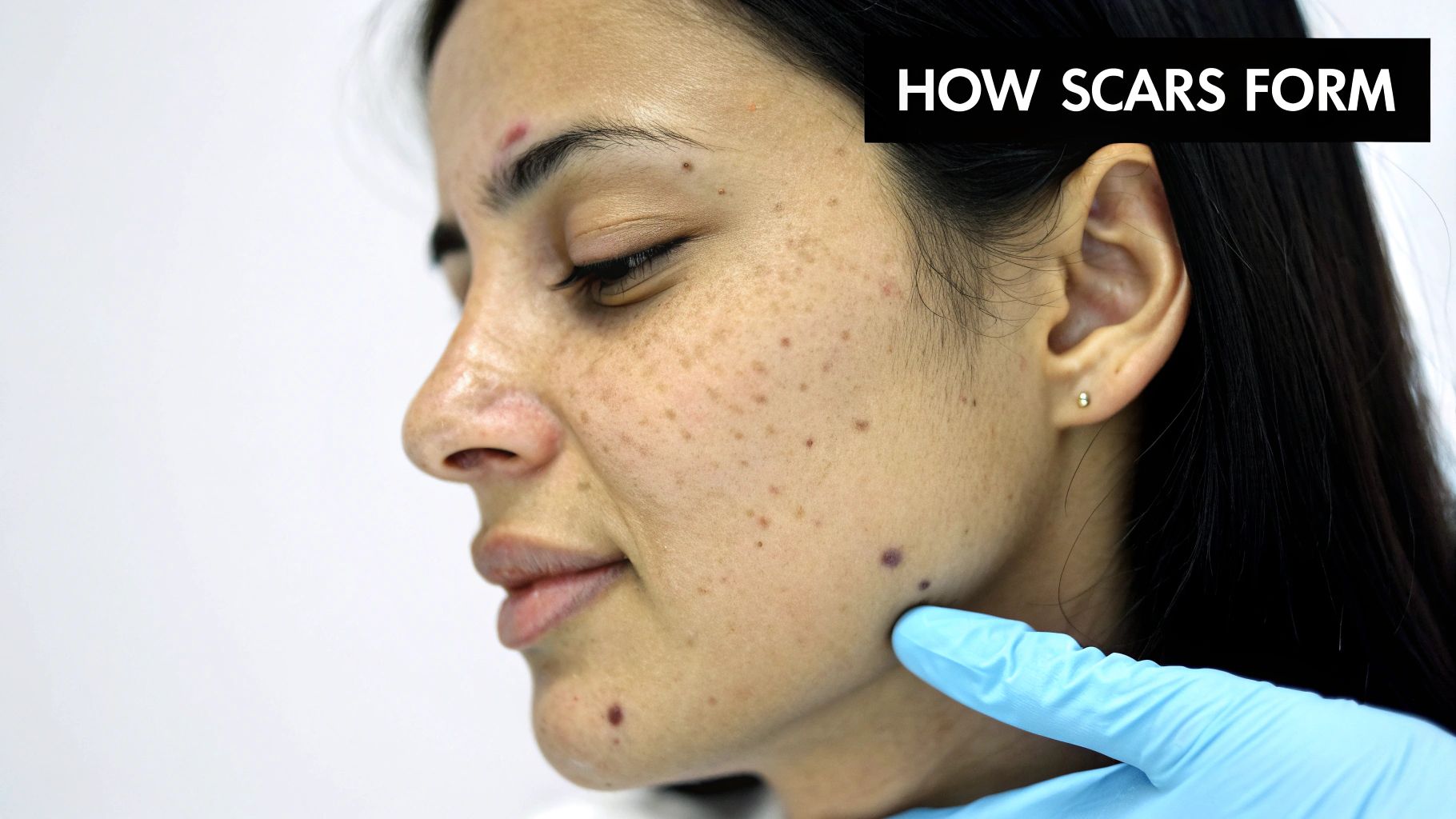
Key Contributors Include:
- Genetics: Familial healing patterns influence scar depth and persistence.
- Inflammation: Prolonged redness accelerates collagen degradation.
- UV Exposure: Unprotected sunlight darkens PIH and delays repair.
Cellular Mechanisms Behind Scars
When the barrier is breached, keratinocytes release cytokines that recruit immune cells. This inflammatory cascade not only boosts melanin production in PIH but also suppresses fibroblast activity over time. The result: overactive pigment deposition coupled with reduced collagen I and III, leaving scars that resist natural fading.
“Interrupting inflammation early is the secret to smoother skin,” recalls one Seoul-based K-Beauty specialist.
Globally, acne vulgaris affects about 9.4% of the population. Learn more about global acne prevalence on Awisee This scale of need has driven Korean brands to focus on both structural repair and brightening formulas for comprehensive scar care.
External Factors Influencing Scar Severity
Biology tells only part of the story-lifestyle and environment write the rest. Daily sun exposure deepens PIH, while picking at blemishes prolongs inflammation. Darker skin types often experience lingering pigment for months.
Key Environmental Contributors:
- Pollution: Free radicals intensify inflammatory responses.
- Diet Choices: High dairy intake correlates with more frequent breakouts.
- Sleep Quality: Poor rest slows the skin’s natural repair cycles.
Mirai Skin formulations layer antioxidants, soothing essences, and barrier-repair boosters to counteract these external stressors and support healthy recovery.
Expert Tips To Minimize Scarring
Always patch-test acids and retinoids before full-face use-this simple step prevents unnecessary irritation. Introducing one active at a time and waiting two minutes between layers builds tolerance and keeps redness in check.
“Layer ingredient by ingredient, waiting two minutes before adding the next,” recommends a Seoul dermatologist.
Use snail mucin at night for its reparative power, and vitamin C in the morning to brighten marks. A consistent twice-daily schedule will reveal fading scars over several weeks.
Genetic Predisposition And Healing
Healing speed varies individually. In a Seoul clinical trial, a 35-year-old participant with low natural collagen type III saw smoother texture after four months of peptides and snail mucin. These actives work by:
- Stimulating fibroblast growth for robust collagen repair
- Strengthening the barrier to prevent fresh inflammation
“Peptides act like building blocks, guiding skin repair,” explains a lab researcher at Mirai Skin’s partner facility.
Examples Of Early Intervention
Clients who start niacinamide and azelaic acid within two weeks of a breakout often fade PIH in about six weeks. When their barrier feels stable, adding a low-dose retinoid can help shallow pits fill in over three months.
Effective Early Routine Includes:
- A hydrating, non-stripping cleanser that protects your barrier
- A gentle AHA exfoliant to accelerate cell turnover
- A targeted serum mix featuring niacinamide, vitamin C, and azelaic acid
- Diligent broad-spectrum sun protection each morning
“Tackle inflammation first to stop scars before they set in.”
Key Takeaways:
- Early anti-inflammatory steps reduce both pigmentary and atrophic scars
- Layer antioxidants, acids, and SPF for comprehensive defense
- Genetics and environmental habits will shape your optimal routine
Preparing Skin For Acne Scar Care
Before diving into actives, establish a strong skin barrier so treatments don’t trigger sensitivity. A resilient barrier means fewer flare-ups, smoother skin, and better results when you introduce exfoliants or scar-fading formulas.
A simple pinch test offers insights: lightly squeeze your cheek and notice how it feels after cleansing.
- Dry skin tightens and flakes almost immediately.
- Oily complexions shine along the T-zone about 30 minutes post-wash.
- Combination skin balances a parched cheek with an oily forehead.
Assessing Skin Type
Blotting paper is another quick hack-press it on your forehead to gauge sebum levels. If you see a glossy film, reach for a mild gel cleanser; a nearly blank blot suggests you need something more hydrating.
A Seoul forum member discovered that a harsh gel foam left her cheeks raw. After a patch test, she switched to a gentler cleanser and sidestepped irritation entirely.
Patch Testing Protocol
Patch testing is your built-in safety net. Dab a pea-sized amount of any new formula-cleanser, serum, or oil-onto an inner arm and wait 24 to 48 hours.
| Product Type | Example Starting Option |
|---|---|
| pH-Balanced Foam | Gentle foam cleanser at pH 5.5 |
| Barrier Essence | Snail mucin or centella extract |
| Hydrating Serum | Hyaluronic acid booster |
| Protective Oil | Lightweight squalane or jojoba |
“I built up my tolerance by waiting two weeks between new products,” shares a K-Beauty forum veteran.
Over 4 to 6 weeks, introduce each formula gradually: start with two applications in week one, add a third in week two, and aim for daily use by week four-without any flaking or stinging.
Seasonal Barrier Care
Environmental shifts can knock your barrier off balance quickly. When winter humidity dips below 40%, layer richer oils or occlusive balms. In humid summers, switch to water-based hydrators to keep pores clear.
Adapt your routine as you go: more oil layers when it’s cold, fewer when it’s hot.
First Use Product Suggestions
For barrier prep, simplicity wins:
- A low-pH gel foam (around 5.5) to cleanse without stripping
- A centella-based essence with panthenol and niacinamide for soothing
- A snail mucin ampoule for lightweight hydration and gentle repair
- Squalane oil to lock in moisture without clogging pores
“Patch-testing spared me redness and initial setbacks,” notes a dedicated skincare fan.
Visual Timeline For Barrier Prep
| Week | Frequency | Focus |
|---|---|---|
| 1 | 2 days | Gentle cleansing |
| 2 | 3 days | Barrier essence |
| 3 | 4 days | Hydrating serum |
| 4-6 | Daily | Protective oil layer |
By the end of six weeks, you’ll have a resilient barrier ready for scar-fading actives. From here, you can confidently layer on acids, retinoids, and brighteners-finally revealing smoother, clearer skin.
Mastering Cleansing And Exfoliation For Scar Fading
A thorough cleanse removes makeup, excess oil, and surface grime so actives can penetrate deeply. Gentle exfoliation then peels away dead cells that trap PIH, allowing each drop of treatment to reach its target.
Choosing The Right Cleanser
Low-pH gel cleansers (around pH 5.5) preserve your skin’s acid mantle, preventing over-stripping and barrier damage. Creamy foam cleansers boost moisture but can leave a film that clogs pores.
- Low-pH Gel Cleanser: Supports a healthy barrier, perfect for daily use.
- Creamy Foam Cleanser: Ideal for dry or sensitive skin when you need extra hydration.
One reader’s switch from foam to gel reduced whiteheads and relieved constant tightness.
Why Double Cleansing Matters
When you wear long-lasting makeup or heavy sunscreen, a single rinse won’t cut it. Double cleansing removes pore-clogging sebum and residue so your next steps aren’t working against impurities.
- Begin with an oil-based cleanser or balm to dissolve makeup.
- Follow with a low-pH gel cleanser to refresh and balance.
- Rinse with lukewarm water to avoid irritation.
Double cleansing helps actives penetrate deeper, accelerating scar fading.
Ditching Abrasive Scrubs
Grainy scrubs can leave microscopic tears in the skin, worsening dark spots instead of fading them. Instead, reach for a 1% BHA toner that dissolves oil inside pores without mechanical trauma. One reader celebrated an 80% reduction in dark spots within 8 weeks by using hers every other evening.
Comparison Of Popular Exfoliants For Scar Fading
| Exfoliant Type | Mechanism | Best For |
|---|---|---|
| AHA (Glycolic & Lactic) | Speeds up surface cell turnover | PIH and uneven texture |
| BHA (Salicylic) | Oil-soluble pore clearing | Clogged pores and red marks |
| PHA (Gluconolactone) | Gentle, hydrating exfoliation | Sensitive skin and barrier repair |
| Physical Scrub | Manual abrasion | Occasional smoothing only |
This guide helps you balance potency with your skin’s needs, avoiding over-exfoliation while targeting stubborn discoloration.
Scheduling Your Exfoliation
Even the best acids can backfire if overused. A smart exfoliation calendar prevents sensitivity and keeps your barrier intact.
- Morning Renewal: AHA toner 1-2×/week for brightness
- Evening Clarifier: 1% BHA toner 2-3×/week to clear pores
- Weekly Reset: Skip all acids and rely on calming essences
Watch for persistent tightness or stinging-your skin’s sign to slow down. Then:
- Swap In PHA when barrier health needs a boost
- Halve sessions if irritation appears
- Layer hyaluronic acid immediately after exfoliation for hydration
Gentle consistency trumps overuse when fading scars without compromising your barrier.
Repairing Your Barrier Between Sessions
After acids, soothe and rebuild with barrier-supporting products:
- Essences rich in panthenol or snail mucin for immediate calm
- A ceramide serum to reinforce lipids
- A lightweight, non-comedogenic oil to seal moisture
One tester paused acids for 24 hours and layered hyaluronic acid plus ceramides, which stopped flaking entirely and sped up healing. As tolerance grows, gradually adjust exfoliation frequency to maintain a healthy foundation.

Applying Targeted Treatments For Acne Scars
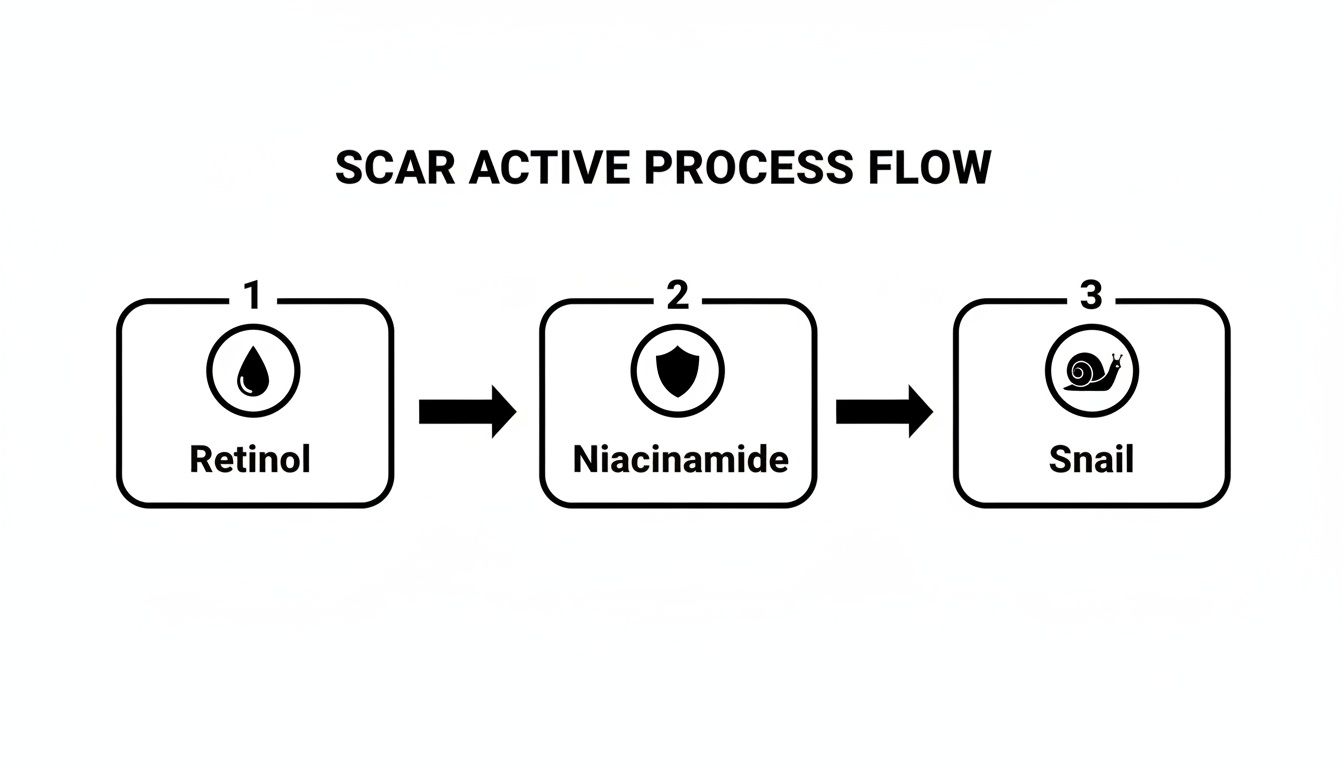
With skin freshly cleansed and balanced, it’s time for actives that tackle stubborn marks. Korean experts often start with a mild retinoid serum, then layer a 2% niacinamide booster for a potent yet gentle combo. At night, snail mucin calms inflammation and reinforces the barrier. Small pauses between each product prevent pH clashes and ensure optimal absorption.
Basic Layering Sequence
- Double cleanse: oil-based cleanser first, then gentle gel or foam.
- Apply retinoid, then wait 20 minutes.
- Smooth on 2% niacinamide to control pigment and oil.
- Seal with snail mucin or peptide-rich booster before bed.
Timing And Layering Hacks
Brief rests between layers make a big difference. A two-minute pause after retinoid ensures niacinamide works at full strength rather than neutralizing.
One Seoul dermatologist alternates azelaic acid and vitamin C on separate days-three nights of azelaic acid, daily vitamin C in the morning, plus built-in rest days. By week six, her trial group saw significant fading.
| Ingredient | Mode Of Action | Use Frequency |
|---|---|---|
| Azelaic Acid | Anti-inflammatory, brightening | 3×/week |
| Vitamin C | Antioxidant, collagen support | Daily mornings |
Real Life Treatment Cycle
A friend swears by evening azelaic acid and sunrise vitamin C. Six weeks in, she logged a 42% reduction in dark spot diameter. Her routine? Snail mucin nightly and a peptide ampoule twice weekly.
- Start with low-strength retinoid and niacinamide to gauge tolerance.
- Keep a skin-mapping journal-note treatments and reactions for weekly check-ins.
- On acid-free nights, add peptide boosters to support collagen without overloading.
“Give each layer time to settle-it cuts down pH clashes and maximizes absorption,” shares a Seoul dermatologist.
If redness appears, pause acids for two days and reintroduce at half dose.
Customizing For Your Skin Type
Oily skin can lean into BHAs and niacinamide more often. Dry skin should skip BHAs and layer extra snail mucin or richer creams. Combination complexions? Use retinoids on oily zones, then boost hydration where tightness appears. Always patch-test mini samples before full-face use and track tolerance on a 1-10 irritation scale.
“Logging daily irritation scores helped me pinpoint exactly which combo sparked flare-ups,” says a barrier-repair enthusiast.
Common Mistakes With Actives
Stacking too many acids at once can trigger micro-inflammation, making scars look more pronounced. Vitamin C and retinol together often cause sensitivity instead of faster fading. Limit potent actives to three products per session, followed by ceramide-rich barrier supporters.
Peptides deserve special mention-they activate fibroblasts to smooth atrophic scars. Aim for a peptide serum twice weekly. Alternating “intense” days with recovery layers (skin cycling) gives your barrier time to rebuild and prevents plateaus.
With this plan, your acne scars will steadily fade. Save this guide and shop authentic Korean serums on Mirai Skin to ensure genuine formulations and transparent sourcing. Start small, track results, and adapt as you go for lasting improvement.
- Consistent layering and sun protection amplify active results.
- Check ingredient lists thoroughly to avoid hidden irritants like fragrance or alcohol.
- Monitor barrier health daily after using actives.
Day And Night Routines For Scar Reduction
Tackling acne scars is a two-front battle: daylight demands defense against UV damage and pollution, while nighttime calls for repair and renewal. Mirai Skin’s curated routines deliver each step in the right order for maximum efficacy.
In the morning, build a shield-hydrating layers, then antioxidants, and finish with broad-spectrum sun protection. A hyaluronic acid essence can boost the skin’s uptake of a 10% vitamin C serum within 2 to 3 minutes.
Morning Routine Essentials
- Cleanse with a pH 5.5 formula to remove sweat and oil without stripping.
- Pat in a moisture-boosting essence for a smooth canvas.
- Apply a niacinamide serum to even tone and calm inflammation.
- Lock in with broad-spectrum SPF 30+-UV rays can darken PIH almost instantly.
- On the go, a tinted cushion compact makes mid-day reapplication effortless.
“Waiting just 2 to 3 minutes between layers can boost absorption by over 40%,” notes a Korean dermatologist.
Avoid combining vitamin C and retinol in the AM; save retinol for PM when the skin renews most effectively.
Nighttime Renewal Ritual
Evenings are prime time for cell turnover. Start with a gentle oil cleanse to dissolve sunscreen and makeup without stripping natural lipids. Next, apply a 0.1% retinol serum and wait 2 minutes before layering a 2% niacinamide booster to keep inflammation in check.
- Follow with snail mucin for barrier repair and deep hydration.
- If flares occur, skip retinol for two nights and rely on soothing essences.
- On alternate evenings, introduce azelaic acid three times weekly to fade PIH.
In colder, drier climates, finish with an occlusive balm; in humidity, opt for a lightweight gel to keep pores clear. When traveling, decant each step into mini jars labeled AM and PM to stay on track under any time constraints.
Common Ingredient Conflicts
Potent actives can collide if you’re not strategic. Vitamin C’s acidity and retinol’s strength often don’t play well together.
- Reserve vitamin C for the morning and retinol for PM.
- Wait 20 minutes after vitamin C before adding other serums to stabilize pH.
- Avoid strong AHAs and high-dose retinoids on the same night to minimize irritation.
These swaps help you harness each ingredient’s full power without unnecessary sensitivity.
Travel Hacks For Layering
Plane cabins and shifting time zones test even the most disciplined routines.
- Pre-fill small dropper bottles with your retinoid and essences to meet TSA liquid rules.
- Pack a mini SPF stick so you’re never without UV defense.
- Label jars AM and PM to safeguard layering order under pressure.
Always patch-test any new mix before spreading it across your face. On a recent Seoul skincare tour, one guest shared that mid-day SPF reapplication improved her PIH outcome by 25%. Tracking your routine on a chart can spotlight sensitivity flares and keep you motivated as scars fade.
Key routines protect in the morning and renew at night for consistent scar fading.
Find authentic Korean skincare for acne scars at Mirai Skin to ensure genuine formulations and transparent sourcing.
Enjoy clearer, smoother skin soon.
Tracking Progress And Selecting Products
Nothing keeps you more driven than spotting real improvement. When I began my scar-fading journey, I used a simple ruler and my phone camera. Each week, I measured spot size, snapped photos under consistent soft light, and noted texture changes.
Logging these wins and hiccups early lets you swap out an offending ingredient before irritation snowballs. Over time, you’ll fine-tune a routine that tells your unique skin story.
- Measure spot diameter in millimeters with a ruler at the same angle
- Photograph scars under consistent lighting for accurate color comparisons
- Note skin reactions-redness, itching or flaking-after each application
- Rate hydration on a 1-5 scale to track dryness or over-moisturizing
- Record lifestyle factors like diet, stress or weather shifts that may influence results
That face-evening serum that stalled? My journal flagged it first, so I swapped it out before it cost me weeks.
Tracking Changes Over Time
The global appetite for Korean skincare for acne scars is off the charts. In 2024, the K-Beauty scar-care segment hit USD 14.7 billion, and it’s on track to double to USD 31.8 billion by 2033 at a 9% CAGR. Dive deeper into the full IMARC Group market report for all the numbers.

Below is a snapshot of regional market values and growth projections, illustrating where Korean scar treatments are booming.
Global Market Growth For Korean Scar Treatments
| Region | Market Value (USD Billion) | Projected CAGR (%) |
|---|---|---|
| Asia Pacific | 8.5 | 11 |
| North America | 3.6 | 8 |
| Europe | 2.7 | 7 |
| Latin America | 0.8 | 6 |
| Middle East & Africa | 0.2 | 5 |
Asia Pacific leads, while North America and Europe steadily ramp up availability and innovation.
Choosing Authentic Korean Channels
Genuine formulations are non-negotiable. I’ve purchased from Seoul boutiques, global e-tailers, and local beauty counters-each route has perks and pitfalls.
| Buying Option | Pros | Red Flags |
|---|---|---|
| Korean Boutiques | Curated picks direct from brands | Some vendors may not verify stock |
| Global Retailers | Wide selection, reliable shipping, user reviews | Unbranded packaging or bulk deals |
| Local Counters | In-person testing, consultant advice | Overpriced items, misleading labels |
If a deal seems too good to be true-especially on acids-it often is. Diluted actives won’t deliver the results you signed up for.
Product Vetting Checklist
Before you click “Add to Cart,” run through this mini-audit:
- Confirm the official import sticker or seal on every box
- Scan the QR code to verify the product on the brand’s Korean website
- Check the pH level (aim for 3-4 on AHAs and BHAs)
- Read the ingredient list for fragrance, alcohol or mystery fillers
- Match the expiration date and batch number with the brand’s database
- Patch-test 24-48 hours before full-face application
“A solid vetting process saved me from countless counterfeit acids,” I often share.
One friend switched from a mass-market lineup to a bona fide Korean label-and she shaved two weeks off her scar-fading timeline thanks to clear sourcing and full-strength formulas.
Common Pitfalls And Quick Fixes
Even seasoned K-Beauty fans can slip up:
- Sky-High ‘Bargains’: Prices far below average often signal watered-down actives.
- Ignored Batch Codes: Use brand websites or customer service to verify codes.
Stay vigilant, tweak your approach as you learn, and you’ll be miles ahead of anyone chasing shortcuts. Ready to lock in results with trusted serums and acids? Explore Mirai Skin’s expertly curated selection, track your progress diligently, and watch those scars fade for good.
Frequently Asked Questions
Safe Ingredient Pairing
- Vitamin C in the AM to neutralize free radicals before anything else
- Retinol in the PM, after cleansing and hydration, for nightly renewal
- Wait at least 20 minutes between acidic steps and retinoids
- Introduce one active at a time to accurately track your skin’s response
How can I identify authentic korean skincare for acne scars products?
Always look for official import labels and scan any QR codes-they should link back to the brand’s own site. Purchase through reputable outlets and verify batch numbers. If a deal seems too good, it usually is.
Quick Notes
- Track irritation on a 1-10 scale to catch overuse early
- Photograph scars under consistent lighting every 2 weeks to monitor progress
- Verify pH levels (AHAs/BHAs should sit around 3-4) to ensure potency
Always vet your sources and listen to skin feedback to keep progress steady and irritation at bay.
Start your journey with authentic korean skincare for acne scars at Mirai Skin