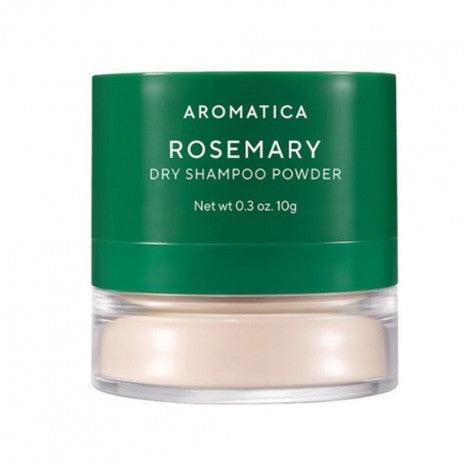
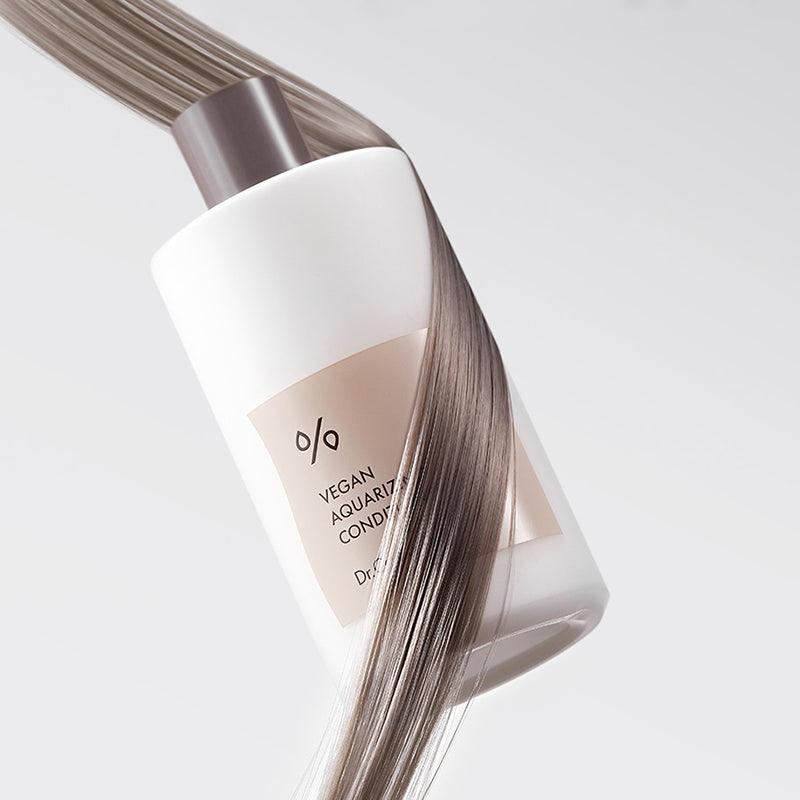
If you have sensitive skin, you're intimately familiar with the cycle of hope and frustration. A new product promises relief, but instead, you're left with increased redness, irritation, or breakouts. It's a disheartening and exhausting experience.
This is where the Korean skincare philosophy offers a profound shift in perspective. It moves away from harsh, stripping ingredients and embraces a gentle, nurturing approach focused on cultivating long-term skin health.
This isn’t about an overly complex 10-step routine. It's a mindset centered on respecting and reinforcing your skin's protective barrier. A robust, healthy barrier is the cornerstone of calm, resilient skin, as it's far less susceptible to environmental triggers and inflammation.
A Focus on Barrier Integrity
The K-Beauty methodology treats your skin as the delicate ecosystem it is. Instead of aggressively targeting issues with high-strength acids or abrasive scrubs that can dismantle its natural defenses, the objective is to provide deep, sustained hydration and quell inflammation from within.
This gentle-first philosophy aligns perfectly with a growing global demand. The market for sensitive skincare products was projected to hit USD 48.06 billion by 2025, a significant surge driven by discerning consumers seeking safer, hypoallergenic solutions. You can explore the data behind this trend in market research from Business Research Insights.
Many Western skincare approaches historically took a more combative stance-think harsh, alcohol-based astringents for acne or aggressive physical exfoliants. Korean skincare flips that paradigm, prioritizing prevention, balance, and gentle reinforcement.
Here’s a concise comparison of how the two philosophies address sensitive skin:
Skincare Approach Comparison for Sensitive Skin
| Focus Area | Traditional Western Approach | Korean Skincare Approach |
|---|---|---|
| Primary Goal | Often treats acute symptoms (e.g., breakouts, dry patches) with potent, targeted actives. | Aims for long-term skin health by strengthening the skin barrier and preventing issues before they start. |
| Cleansing | May involve high-pH foaming cleansers with sulfates that can strip the skin's natural lipids. | Emphasizes a gentle double cleanse to thoroughly remove impurities without disrupting the acid mantle. |
| Exfoliation | Historically favored physical scrubs (e.g., apricot kernels) and high-concentration AHAs. | Prefers gentle chemical exfoliants like LHA and PHA or enzyme powders, used with intention and moderation. |
| Hydration | Often relies on a single, heavier moisturizer to seal in moisture. | Employs multiple, lightweight layers of hydrating products (essences, serums, ampoules) for deeper, more effective absorption. |
| Key Ingredients | Frequently features high-percentage actives like benzoyl peroxide or strong retinoids for immediate results. | Prioritizes soothing, barrier-supporting botanicals like Centella Asiatica, Mugwort, and Snail Mucin. |
Ultimately, the Korean approach is about building a foundation of resilience, empowering your skin to better manage stress and environmental aggressors on its own.
At its core, Korean skincare for sensitive skin is about achieving homeostasis. It’s a partnership with your skin, where you provide the soothing, nourishing support it needs to heal itself and build resilience against future irritation.
By utilizing ingredients that work in synergy with your skin's natural functions, you can finally transition from constantly managing flare-ups to enjoying a complexion that is consistently calm, hydrated, and healthy. This profound respect for the skin's integrity is what makes the K-Beauty approach so transformative for those who need it most.
Decoding Labels: Soothing Ingredients to Look For
Learning to read an ingredient list is the ultimate power move for managing your sensitive skin. It’s like learning a new language-once you recognize key terms, you can confidently select products that will calm and repair, not provoke another reaction. This is where Korean skincare excels, prioritizing gentle, evidence-backed botanicals that work with your skin.
Unlike some Western products that may rely on a single, high-concentration active, K-Beauty formulations are masters of synergy. They often feature a sophisticated blend of extracts to soothe, hydrate, and strengthen the skin barrier simultaneously. This gentle, multi-faceted approach is precisely why it’s so effective for reactive skin types.
K-Beauty Heroes for Calm Skin
Don't let a long INCI list intimidate you. Once you know what to look for, certain ingredients will stand out as definitive green flags, signaling that a product was formulated with calming your skin as a primary goal.
Here are some of the most revered soothing ingredients in the K-Beauty pharmacopeia:
- Centella Asiatica (Cica): Often called "tiger grass," Cica is legendary for its wound-healing and anti-inflammatory properties. Torriden is one brand that harnesses Cica exceptionally well. Its active compounds, particularly madecassosides, are brilliant at calming redness and repairing a compromised skin barrier. It’s a true savior for skin that feels raw, sensitized, or generally stressed.
- Artemisia (Mugwort): This humble herb is an antioxidant powerhouse with potent anti-inflammatory and antibacterial benefits. Mugwort is particularly effective at soothing redness associated with hormonal breakouts or environmental stress, making it an indispensable ally for irritated, blemish-prone skin.
- Houttuynia Cordata (Heartleaf): Renowned for its calming and detoxifying properties, Heartleaf is ideal for inflamed, reactive skin. It helps regulate sebum production while delivering a cooling sensation, offering immediate relief when your complexion feels flushed or overheated.
It's not just about what's omitted; it's about what's intentionally included. These botanicals don't just provide superficial relief-they help fortify your skin's resilience from the inside out.
Sensitive Skin Ingredient Guide
To streamline your K-Beauty shopping, a mental cheat sheet of what to embrace and what to avoid is invaluable. A product can be packed with incredible botanicals, but if a common irritant is lurking high on the ingredient list, it could still undermine your efforts.
Consider this table your pocket guide to making smarter, safer choices for your skin.
| Ingredient Category | Embrace (Green Flags) | Avoid (Red Flags) |
|---|---|---|
| Soothing Agents | Centella Asiatica (Cica), Mugwort, Heartleaf, Aloe Vera, Allantoin, Panthenol (Vitamin B5), Beta-Glucan. | High concentrations of Essential Oils (Lavender, Peppermint, Citrus), Menthol, Camphor. |
| Hydrators | Hyaluronic Acid, Glycerin, Snail Mucin, Ceramides, Squalane, Beta-Glucan, Polyglutamic Acid. | SD Alcohol, Denatured Alcohol, Isopropyl Alcohol (often high on the ingredients list in toners). |
| Exfoliants | PHAs (Gluconolactone), LHAs (Capryloyl Salicylic Acid), Mandelic Acid, Enzyme powders (Papain, Bromelain). | Harsh physical scrubs (walnut shells, apricot pits), high-percentage Glycolic Acid (can be too intense). |
| Preservatives & Fragrance | Phenoxyethanol, Ethylhexylglycerin (generally well-tolerated preservatives). | Formaldehyde-releasing preservatives, synthetic "Fragrance" or "Parfum" (a major trigger for many). |
Familiarizing yourself with these key players is a game-changer. You transition from a passive consumer to an empowered advocate for your own skin. The goal is simple: maximize the good stuff and sidestep the potential troublemakers.
Building Your Gentle Korean Skincare Routine
Now, let's translate this knowledge into action and construct a Korean skincare for sensitive skin routine that is both effective and sustainable. Forget the overwhelming 10-step myth. We are focusing on a streamlined, purposeful framework designed to calm, hydrate, and protect your skin.
The objective is intentional, gentle consistency-not a bathroom counter crowded with products. A simplified routine is almost always more effective for sensitive skin because it minimizes the risk of irritation and allows each product to perform optimally.
This mindful approach is a key reason K-Beauty has resonated so deeply in the West. As major retailers see a significant rise in Korean skincare sales, it's clear these gentle-first philosophies are connecting with consumers tired of battling sensitivity. You can delve deeper into this trend and its market impact with these insights from Awisee.com.
The Core Pillars of a Gentle Routine
A successful routine for sensitive skin is defined by quality and purpose, not the number of steps. Each product should serve a specific function without stripping or overwhelming your skin's delicate barrier.
Here are the essential stages to build your routine around:
-
The Non-Stripping Double Cleanse: This is your foundation. Begin with a balm or oil cleanser to effortlessly dissolve makeup, SPF, and sebum. Follow with a low-pH, creamy, or gel-based water cleanser to gently remove any remaining residue. The key indicator of success: your skin should feel clean, but never tight or squeaky.
-
The Hydrating Toner or Essence: Think of this as a reparative quench for your skin post-cleansing. It rebalances your skin's pH and delivers the first layer of critical hydration. Opt for watery, milky toners packed with soothing ingredients like Centella Asiatica or Panthenol to immediately calm the skin and prepare it for subsequent steps.
-
The Targeted Soothing Serum: This is your treatment step, where you address specific concerns. A serum with a high concentration of calming actives-like Mugwort, Heartleaf, or Snail Mucin-can work wonders on redness and irritation. Their lightweight texture allows for deep penetration, delivering benefits where they are needed most.
-
The Nourishing Moisturizer: The role of your moisturizer is to seal in all previous layers and support your skin barrier. Gel-creams are fantastic for providing hydration without feeling heavy. If your skin is dry or compromised, look for creams formulated with ceramides or squalane for more robust, comforting support.
-
The Non-Negotiable Sunscreen: Every single morning, without exception. You must conclude your routine with a broad-spectrum sunscreen of at least SPF 30. Korean sunscreens are celebrated for their elegant, lightweight formulas that don't feel greasy or leave a white cast, making daily application a pleasure rather than a chore.
Remember the golden rule of layering: apply products from the thinnest to the thickest texture. This ensures optimal absorption for each product. A watery essence always precedes a richer cream moisturizer.
Choosing the Right Textures
For sensitive skin, a product's texture is nearly as important as its ingredient list. Heavy, occlusive formulas can sometimes trap heat and exacerbate redness, while overly light textures may not provide adequate nourishment. It's about finding the ideal balance for your skin's needs.
This flowchart provides a simple framework for analyzing a product before you commit.

As you can see, a quick scan for hero ingredients and a check for potential irritants can empower you to make a confident decision, protecting your skin from a potential reaction.
By focusing on these core steps and selecting products with calming ingredients and comfortable textures, you are creating a powerful yet gentle routine. This curated approach provides your sensitive skin with exactly what it needs to heal, strengthen, and thrive, moving you from a state of reactivity to one of calm resilience.
Lifestyle Habits That Support Calm Skin
The perfect Korean skincare routine is only one piece of the puzzle. The most effective products can be undermined if daily habits are unknowingly causing irritation. The good news is that small, intentional lifestyle changes can have a profound impact on keeping your sensitive skin calm, happy, and resilient.
Think of these practices as the essential support system for your skincare. They create an environment where your products can perform optimally, helping you achieve the healthy complexion you're working towards.
How to Safely Introduce New Products
For anyone with sensitive skin, introducing a new product can feel like a high-stakes gamble. Will it be your next holy grail or trigger a week-long flare-up?
The golden rule is to introduce only one new product at a time. This is non-negotiable. Give it at least two weeks to see how your skin responds before considering another addition. This methodical approach ensures that if a reaction occurs, you can pinpoint the exact culprit without any guesswork.
Before a new product touches your face, you must perform a patch test. This simple step can prevent a full-face disaster.
- Choose a Discreet Spot: Apply a small amount of the product to an inconspicuous area like the inside of your wrist, behind your ear, or along your jawline.
- Wait and Observe: Leave the product on for at least 24 to 48 hours. Monitor the area for any signs of redness, itching, burning, or vesicles (small bumps).
- Assess the Results: If the area remains calm and normal, the product is likely safe to introduce to your face.
Rushing this process is the fastest way to compromise your skin barrier. Patience is your most powerful tool for maintaining calm skin.
Small Changes with a Big Impact
Beyond your products, simple adjustments in your daily habits can dramatically reduce sensitivity. These practices are foundational to any successful Korean skincare for sensitive skin journey.
- Use Lukewarm Water: Hot water may feel relaxing, but it strips your skin of its natural, protective oils (lipids), leading to dryness and irritation. Always cleanse your face with lukewarm water to wash away impurities gently without causing unnecessary stress.
- Pat, Don't Rub: After cleansing, resist the urge to vigorously rub your face dry with a towel. This friction can easily trigger redness and inflammation. Instead, gently pat your skin dry with a clean, soft towel. Your skin will thank you.
- Mind Your Environment: Your skin's health is directly influenced by its surroundings. Low humidity from air conditioning or central heating can dehydrate your skin, while environmental pollutants can cause inflammation. A simple humidifier can make a significant difference in dry environments, helping your skin retain essential moisture.
How to Shop for Authentic K-Beauty Products
Navigating the K-Beauty market can be overwhelming, especially when you’re seeking Korean skincare for sensitive skin. Using authentic, high-quality products is non-negotiable for reactive skin. Counterfeits can be filled with harsh fillers, undisclosed allergens, or even harmful ingredients that could trigger a severe reaction.
Shopping safely is just as crucial as selecting the right ingredients.
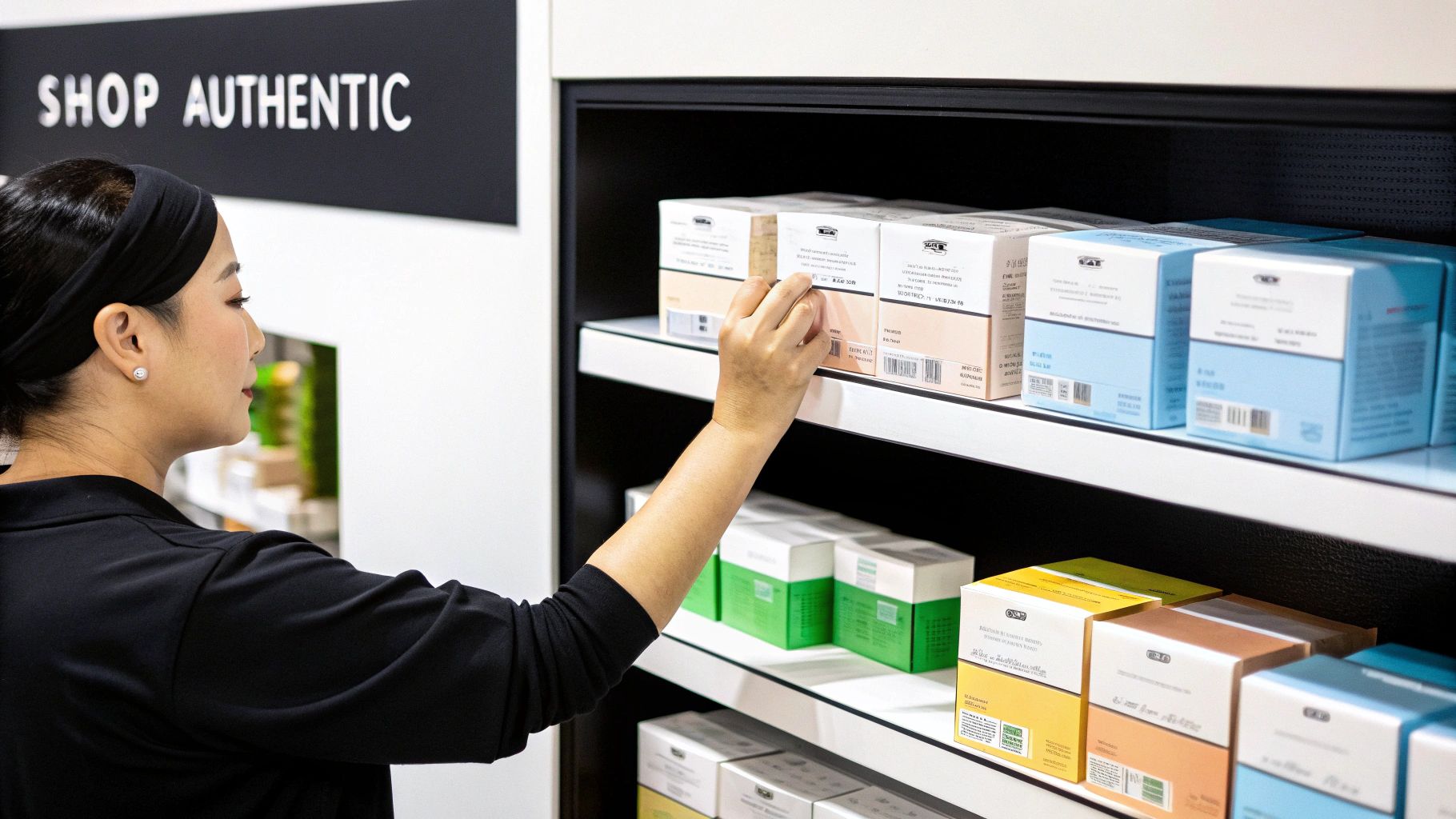
The explosive global growth of K-Beauty has unfortunately fueled a parallel boom in counterfeit products. These fakes often look remarkably convincing but lack the gentle, effective formulations your skin requires. This is why knowing where to shop and what to look for is a critical skill for any K-Beauty enthusiast.
Identifying Authorized and Trustworthy Retailers
Your primary defense against counterfeits is to shop exclusively through authorized retailers. These are vendors who have a direct, established relationship with the brands or their official distributors in Korea. This guarantees that every product you purchase is 100% authentic, has been stored properly, and is well within its expiration date.
Vast online marketplaces with thousands of unvetted third-party sellers can be a minefield. While the prices might seem appealing, you have no verifiable way of knowing a product's origin, its age, or if it has been tampered with. For sensitive skin, that risk is never worth the potential savings.
Curated e-commerce stores like Mirai Skin provide a safe haven for discerning consumers. By sourcing directly from verified Korean distributors, we eliminate the guesswork and ensure every item you purchase is genuine. This offers you peace of mind and, most importantly, protects your skin.
Spotting the Telltale Signs of a Fake
Even when shopping in person, it pays to be vigilant. Counterfeiters have become incredibly sophisticated, but there are often subtle details that betray their products. Training your eye to spot these inconsistencies is key to protecting both your skin and your investment.
Here are a few red flags to watch for:
- Mismatched Packaging: Compare the product in your hand to high-resolution images on the brand's official website. Look for minute differences in font type, color saturation, logo placement, or even the texture of the cardboard box. Fakes often get these small but crucial details wrong.
- Questionable Seals and Batch Codes: Authentic products almost always have a quality seal, either on the outer box or under the cap. Ensure it's intact. Additionally, look for a clearly printed batch code and expiration date-fakes might have these missing, smudged, or printed on a low-quality sticker instead of directly on the component.
- Off-Putting Scent or Texture: If you’ve used the product before, trust your senses. A counterfeit might have a strange chemical or overly perfumed smell instead of the familiar scent. The texture is another dead giveaway-it might feel watery, gritty, or greasy compared to the authentic formula.
By committing to trusted sources and learning how to identify the signs of a counterfeit, you ensure that your investment in Korean skincare for sensitive skin goes toward products that will genuinely soothe, heal, and protect your complexion.
Got Questions About K-Beauty for Sensitive Skin? We’ve Got Answers.
Embarking on a new skincare journey, especially when your skin is reactive, naturally brings up questions. It's completely normal, and we've been there.
To provide clarity, we’ve compiled the most common concerns we hear from the K-Beauty community. Our goal is to offer clear, expert answers so you can feel confident in building a routine that truly works for you.
Can I Use Actives Like Vitamin C or Retinoids?
Yes, but with a strategic and cautious approach. The guiding principle is “low and slow.” Incorporating potent actives into a routine for sensitive skin isn’t about complete avoidance, but about choosing appropriate formulations and introducing them with care. This is a core tenet when selecting Korean skincare for sensitive skin.
Instead of high-strength actives, look for gentler derivatives. Consider Ascorbyl Glucoside instead of L-Ascorbic Acid for Vitamin C, or Retinyl Palmitate instead of Retinol. Begin with a very low concentration, using it just once or twice a week. On your "off-nights," focus exclusively on barrier repair with ceramides, panthenol, and other calming ingredients.
Here's a pro tip we swear by: try "buffering." This involves applying a simple, hydrating toner or moisturizer before your active. It creates a gentle buffer that dramatically reduces the potential for irritation while still allowing the active to deliver its benefits.
And most importantly, listen to your skin. If it shows signs of irritation, don't force it. There are fantastic K-Beauty alternatives like Bakuchiol for anti-aging or Niacinamide for brightening that are known for being much better tolerated.
Is The 10-Step Routine a Must?
Absolutely not. This is perhaps the most persistent myth in the K-Beauty world.
Think of the 10-step routine not as a mandatory checklist, but as a comprehensive menu of potential options. For sensitive skin, a "less is more" philosophy is almost always the superior strategy.
A robust, effective routine for you will likely revolve around these core pillars:
- Double Cleanse to gently dissolve makeup, SPF, and impurities.
- Hydrate with a calming toner or essence to prep the skin.
- Treat with a targeted serum focused on soothing and repair.
- Moisturize to lock everything in and support your skin barrier.
- Protect every single morning with a broad-spectrum sunscreen.
Overloading sensitive skin with too many products can easily lead to irritation and a compromised barrier. The quality and suitability of your products matter far more than the sheer number of steps in your routine.
How Do I Know If My Skin Barrier Is Damaged?
Your skin will communicate its distress clearly. The tell-tale signs of a compromised barrier include a sudden increase in redness, a persistent tight or dry feeling (even after moisturizing), or a stinging sensation when applying products that were previously well-tolerated.
You might also notice new patches of dryness, flakiness, or an increase in breakouts. If this sounds familiar, it’s time to strip your routine back to the absolute essentials: a gentle, milky cleanser, a ceramide-rich moisturizer, and sunscreen. That’s it. This minimalist approach gives your skin the space it needs to repair and rebuild its natural defenses.
Navigating the world of K-Beauty should be an exciting journey of discovery, not a source of stress. At Mirai Skin, we are committed to providing only 100% authentic, high-quality products sourced directly from verified Korean distributors. We ensure your sensitive skin receives the gentle, effective care it deserves.
Explore our curated collection of authentic K-Beauty for sensitive skin at Mirai Skin!