Last updated: March 2026
In Korea, anti-aging does not begin when you see your first wrinkle. It begins in your 20s -- or even earlier. This "prevention over correction" philosophy is perhaps the single most important lesson that Korean skincare has taught the global beauty industry. Rather than waiting for visible signs of aging to appear and then scrambling to reverse them, K-beauty builds youthful, resilient skin from the ground up through consistent daily care, strategic ingredient use, and a deep understanding of how skin ages at the cellular level.
The results speak for themselves. Korean women and men are globally celebrated for skin that seems to defy age, maintaining a luminous, firm, youthful complexion decades longer than what is considered typical in Western beauty culture. This is not genetics alone -- it is a meticulously engineered skincare approach backed by billions of dollars in cosmetic research, centuries of traditional medicine, and a culture that views skincare as a non-negotiable daily ritual.
This comprehensive guide distills everything you need to know about Korean anti-aging skincare in 2026. We will cover the science of how skin ages, the most effective anti-aging ingredients in K-beauty (from proven retinol to cutting-edge PDRN), how to build an age-appropriate routine, and the best products at every price point. Whether you are 25 and starting prevention or 55 and seeking rejuvenation, this guide will help you harness the power of K-beauty to achieve your most youthful, radiant skin.
Table of Contents
- The Korean Approach to Anti-Aging: Prevention Over Correction
- How Skin Ages: Understanding Collagen Loss, Fine Lines, and Volume Depletion
- Key Anti-Aging Ingredients in K-Beauty: Retinol, PDRN, Peptides, Ginseng, Adenosine, Collagen
- The Ideal Anti-Aging K-Beauty Routine by Age (20s, 30s, 40s, 50s+)
- Best Korean Eye Creams and Treatments for Fine Lines
- Retinol in Korean Skincare: How to Start Without Irritation
- PDRN: The Next-Generation Anti-Aging Ingredient
- Neck and Decolletage Care the Korean Way
- Sunscreen: Your Most Important Anti-Aging Product
- Advanced Treatments: Reedle Shots, Ampoules, and Device-Assisted Care
- Budget vs Luxury: Anti-Aging K-Beauty at Every Price Point
- Frequently Asked Questions
The Korean Approach to Anti-Aging: Prevention Over Correction
The Western approach to anti-aging has traditionally been reactive: wait until wrinkles appear, then treat them. Korean skincare flips this entirely. The K-beauty anti-aging philosophy rests on several key principles:
Start Early, Stay Consistent
In Korea, anti-aging skincare begins in the early-to-mid 20s. By the time most Westerners start thinking about anti-aging products, Korean skincare enthusiasts have already been building collagen-protecting, barrier-strengthening routines for years. This head start makes a dramatic difference over time because preventing collagen loss is far easier than rebuilding it.
Multi-Step Hydration as Anti-Aging
Dehydrated skin shows every fine line and wrinkle more prominently. The Korean multi-step routine is not about vanity -- it is an anti-aging strategy. Each layer of hydration plumps the skin from within, temporarily reducing the appearance of fine lines while delivering ingredients that address aging at the cellular level. The famous K-beauty "glass skin" is not just an aesthetic preference; it is a byproduct of deeply hydrated, healthy skin.
Sunscreen as the #1 Anti-Aging Product
Dermatologists worldwide agree that UV exposure is responsible for up to 80% of visible skin aging (photoaging). Korean consumers have internalized this message more deeply than any other market. Daily SPF 50+ PA++++ application, rain or shine, summer or winter, is a non-negotiable in Korean anti-aging skincare. This single habit prevents more wrinkles, dark spots, and loss of elasticity than any serum or cream could correct after the fact.
Gentle but Persistent Treatment
Rather than using maximum-strength retinol that causes peeling and irritation, K-beauty favors lower, sustainable concentrations used consistently over months and years. The science supports this: research shows that 0.1% retinol used nightly for 12 months produces comparable results to higher concentrations with far less side effects and better long-term compliance.
How Skin Ages: Understanding Collagen Loss, Fine Lines, and Volume Depletion
To fight aging effectively, you need to understand what is happening beneath the surface. Skin aging involves multiple interconnected processes:
Collagen Decline
Collagen is the structural protein that keeps skin firm, plump, and resilient. Starting around age 25, collagen production decreases by approximately 1% per year. By age 50, you have lost approximately 25% of your collagen. This decline is accelerated by UV exposure, pollution, smoking, sugar consumption, and stress.
The result: skin becomes thinner, less firm, and more prone to wrinkling. Understanding this timeline explains why Korean skincare starts anti-aging measures in the mid-20s -- right when the decline begins.
Elastin Degradation
Elastin fibers give skin its ability to snap back into place. Unlike collagen, elastin is extremely difficult for the body to replace once damaged. UV damage and repeated facial movements gradually break down elastin, leading to sagging, loss of definition along the jawline, and deepening of nasolabial folds.
Hyaluronic Acid Depletion
Your skin's natural hyaluronic acid content decreases with age, reducing the skin's ability to retain moisture. This is why older skin often looks dull, flat, and papery compared to the bouncy, luminous skin of youth. Replenishing HA through topical products is one of the simplest and most immediately visible anti-aging strategies.
Cell Turnover Slowdown
Young skin turns over cells approximately every 28 days. By age 50, this cycle stretches to 45-60 days. Slower turnover means dead cells accumulate on the surface longer, creating a dull, rough appearance and reducing the skin's ability to repair damage.
Volume Loss
Beyond the skin itself, aging involves loss of subcutaneous fat, muscle, and even bone density in the face. This creates the hollowing effect seen in temples, cheeks, and under the eyes. While topical skincare cannot fully address volume loss, ingredients like peptides and PDRN can improve the appearance of deflated skin.
Key Anti-Aging Ingredients in K-Beauty: Retinol, PDRN, Peptides, Ginseng, Adenosine, Collagen
Korean anti-aging skincare combines proven pharmaceutical-grade actives with potent botanical ingredients from traditional Korean medicine. Here is your complete guide to the most effective anti-aging ingredients in K-beauty:
Retinol (Vitamin A)
Retinol remains the single most clinically-validated topical anti-aging ingredient in skincare. It works by binding to retinoid receptors in the skin, accelerating cell turnover, stimulating collagen production, reducing wrinkle depth, evening skin tone, and refining texture. Decades of peer-reviewed research support its efficacy.
Korean brands have revolutionized retinol accessibility by pairing it with soothing ingredients that minimize irritation:
- COSRX Retinol + Ceramide: Buffer retinol with barrier-protecting ceramides
- VT Reti-A + Cica: Cushion retinol activity with calming centella asiatica
Best for: Fine lines, wrinkles, uneven texture, photo-aging, and loss of firmness.
Read more: Best Retinol Serum Guide | COSRX Retinol vs VT Reti-A Comparison

COSRX The Retinol 0.1 Cream -- gentle retinol buffered with ceramides for sensitive skin
PDRN (Polydeoxyribonucleotide / Salmon DNA)
PDRN is the most exciting anti-aging ingredient to emerge from Korean dermatology in the past decade. Originally used in injectable "salmon DNA facials" at Korean aesthetic clinics (famously endorsed by celebrities worldwide), PDRN has been adapted for topical skincare with impressive results.
PDRN works by activating the A2A adenosine receptor on fibroblasts, stimulating them to produce more collagen, elastin, and glycosaminoglycans. Clinical studies have shown PDRN improves skin elasticity, reduces fine lines, enhances wound healing, and promotes overall skin regeneration. It is gentler than retinol with no irritation risk, making it suitable for sensitive skin and as a complement to retinol in comprehensive anti-aging routines.
Best for: Loss of elasticity, fine lines, dull skin, and overall skin regeneration.
Star products: Anua PDRN Hyaluronic Acid Capsule 100 Serum, VT PDRN Essence 100, COSRX 5PDRN Collagen Serum.
Deep dive: PDRN Skincare: Salmon DNA in Korean Beauty | PDRN Ingredient Guide

Anua PDRN Capsule Serum -- next-generation anti-aging with salmon-derived PDRN
Peptides
Peptides are short chains of amino acids that function as cellular messengers, telling skin cells to ramp up production of specific structural proteins. Different peptides target different aging concerns:
- Copper peptides (GHK-Cu): Stimulate collagen synthesis, promote wound healing, and have antioxidant properties
- Matrixyl (palmitoyl tripeptide): Signals collagen I and III production for firmer skin
- Argireline (acetyl hexapeptide): Reduces muscle micro-contractions to soften expression lines (often called "topical Botox")
- EGF (epidermal growth factor): Accelerates cell renewal and repair
Best for: Loss of firmness, deep wrinkles, and mature skin seeking comprehensive rejuvenation.
Read more: Peptide Serum Benefits
Ginseng
Korean ginseng (Panax ginseng) is the crown jewel of hanbang (traditional Korean medicine) skincare. Used for centuries in Korean beauty rituals, ginseng contains ginsenosides -- bioactive compounds that stimulate collagen synthesis, improve blood circulation, provide powerful antioxidant protection, and brighten skin.
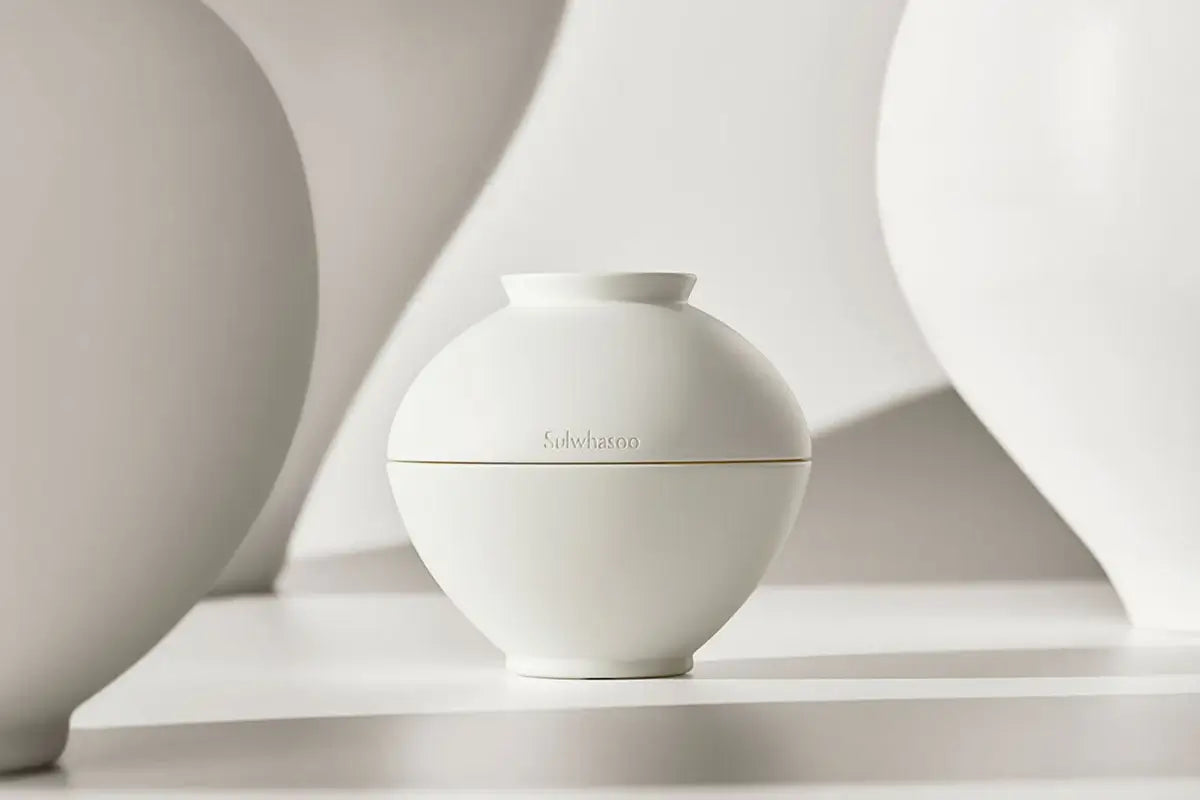
Luxury Korean brand Sulwhasoo has built its entire empire around concentrated ginseng formulations, demonstrating the ingredient's premium positioning in anti-aging. However, accessible brands like Beauty of Joseon and I'm From also offer excellent ginseng products at lower price points.
Best for: Mature skin, loss of radiance, and overall anti-aging.
Star products: Sulwhasoo Concentrated Ginseng Rejuvenating Serum, Beauty of Joseon Revive Serum: Ginseng + Snail Mucin.
Deep dive: Ginseng in Korean Skincare Guide | What Makes Sulwhasoo Unique

Sulwhasoo Concentrated Ginseng Rejuvenating Serum -- luxury hanbang anti-aging powered by Korean ginseng
Adenosine
Adenosine is one of the most widely used anti-aging ingredients in Korean skincare, largely because it is one of only a handful of ingredients approved by Korea's MFDS as a functional anti-wrinkle ingredient. This approval means it has met strict clinical standards for efficacy in wrinkle reduction.
Adenosine works by stimulating fibroblast activity and promoting collagen synthesis. It is extremely gentle, making it ideal for sensitive skin types and for inclusion in eye creams, night creams, and daily moisturizers. You will find adenosine in the ingredient lists of most high-quality Korean anti-aging products.
Best for: All skin types seeking gentle, daily wrinkle prevention and reduction.
Collagen
While the efficacy of topical collagen has been debated, Korean brands have advanced collagen delivery technology significantly. Hydrolyzed collagen peptides in K-beauty products primarily serve as humectants that plump and hydrate the skin surface. The real innovation is in products that combine collagen with ingredients that stimulate your skin's own collagen production (like PDRN and retinol), creating a dual-action approach.
Best for: Dehydrated mature skin seeking plumping hydration.
The Ideal Anti-Aging K-Beauty Routine by Age (20s, 30s, 40s, 50s+)
Anti-aging needs evolve as you age. Here is how to adapt your K-beauty routine for each decade:
In Your 20s: Prevention Foundation
Focus: Sun protection, antioxidants, hydration, and establishing good habits.
AM: Gentle Cleanser → Hydrating Toner → Vitamin C Serum (antioxidant protection) → Lightweight Moisturizer → SPF 50+ Sunscreen
PM: Oil Cleanser → Gentle Cleanser → Hydrating Toner → Niacinamide or Snail Mucin Essence → Moisturizer
Key ingredients: Hyaluronic acid, vitamin C, niacinamide, sunscreen. At 25+, consider adding a low-dose retinol (0.025-0.05%) 2-3 nights per week.
In Your 30s: Early Intervention
Focus: Beginning targeted anti-aging treatment while maintaining the prevention foundation.
AM: Gentle Cleanser → Hydrating Toner → Vitamin C Serum → Peptide or PDRN Essence → Moisturizer with adenosine → SPF 50+ Sunscreen
PM: Oil Cleanser → Gentle Cleanser → Exfoliant (AHA, 2x/week) → Hydrating Toner → Retinol (0.1%, 3-4x/week) → Eye Cream → Nourishing Moisturizer
Key ingredients: Retinol (beginner strength), PDRN, peptides, adenosine, AHA for cell turnover, eye cream for first fine lines.
In Your 40s: Active Anti-Aging
Focus: Intensifying anti-aging treatment, addressing visible signs of aging, supporting collagen production.
AM: Gentle Cleanser → Hydrating Toner → Vitamin C Serum → PDRN Serum → Peptide-rich Moisturizer with adenosine → Eye Cream → SPF 50+ Sunscreen
PM: Oil Cleanser → Gentle Cleanser → Exfoliant (AHA, 2x/week) → Hydrating Toner → Retinol (0.3%, 4-5x/week) or Bakuchiol (nightly) → Ginseng Serum → Eye Cream with retinal → Rich Night Cream → Neck Cream
Key ingredients: Higher-strength retinol, PDRN, ginseng, peptides, ceramides, richer moisturizers. Consider adding a weekly intensive ampoule or sheet mask treatment.
In Your 50s+: Rejuvenation and Repair
Focus: Maximum nourishment, barrier support, collagen stimulation, and radiance restoration.
AM: Cream Cleanser → Rich Hydrating Toner → PDRN + Collagen Serum → Ginseng Essence → Rich Moisturizer with adenosine & ceramides → Eye Cream → SPF 50+ Sunscreen
PM: Oil Cleanser → Cream Cleanser → Mild AHA (1x/week) → Rich Hydrating Toner → Retinol (0.3-0.5%, alternate nights) → PDRN Serum → Ginseng Ampoule → Eye Cream with retinal → Rich Night Cream with ceramides → Neck & Decolletage Cream → Sleeping Mask (2x/week)
Key ingredients: Concentrated ginseng, PDRN, retinol (carefully titrated), peptide complexes, ceramides, rich oils (squalane, jojoba), intensive overnight treatments. Consider professional-strength options like Sulwhasoo's concentrated ginseng line.
Best Korean Eye Creams and Treatments for Fine Lines
The eye area is where aging first becomes visible. The skin around the eyes is approximately 0.5mm thick -- compared to 2mm on the rest of the face -- making it uniquely vulnerable to fine lines, dark circles, and loss of firmness. Korean eye creams are specifically formulated for this delicate area.
What to Look for in Korean Eye Creams
- Retinal (retinaldehyde): A gentler, more potent form of vitamin A than retinol, ideal for the sensitive eye area
- Peptides: Argireline for crow's feet, copper peptides for collagen stimulation
- Adenosine: MFDS-approved anti-wrinkle ingredient, gentle enough for daily eye use
- Ginseng: Improves circulation to reduce dark circles while providing anti-aging benefits
- Caffeine: Reduces puffiness by constricting blood vessels

Beauty of Joseon Revive Eye Cream -- ginseng + retinal for fine lines and dark circles
Top Korean eye cream picks:
- Beauty of Joseon Revive Eye Cream: Ginseng + Retinal -- Best value; combines retinal with ginseng for dual anti-aging action
- Sulwhasoo concentrated ginseng treatments -- luxury-tier, intensive firming
Full guide: Best Korean Eye Cream for Dark Circles
Application Tips
- Use your ring finger (weakest pressure) to pat -- never rub -- eye cream around the orbital bone
- Apply in a gentle tapping motion from the outer corner inward
- Less is more: a rice-grain-sized amount for each eye is sufficient
- Apply both morning and night for best results
Retinol in Korean Skincare: How to Start Without Irritation
Retinol is the most effective topical anti-aging ingredient available, but it is also the most common source of skincare-related irritation. K-beauty has solved this problem through smart formulation and a gradual introduction protocol.
The Korean Approach to Retinol
Korean retinol products differ from Western formulations in several key ways:
- Lower starting concentrations: Starting at 0.025-0.1% rather than 0.5-1%
- Buffering ingredients: Retinol is paired with cica (VT Reti-A), ceramides (COSRX Retinol), or peptides to minimize irritation
- Encapsulated delivery: Some K-beauty products use encapsulated retinol that releases gradually, reducing peak irritation
- Comprehensive supporting routine: K-beauty's multi-step hydration provides the moisture buffer that makes retinol more tolerable
Beginner Retinol Protocol
- Weeks 1-2: Apply retinol (0.1%) once per week, on clean dry skin, followed by moisturizer
- Weeks 3-4: Increase to twice per week
- Weeks 5-8: Increase to three times per week
- Weeks 9-12: Use every other night
- Month 4+: Nightly use if tolerated; consider increasing to 0.3%
Managing Retinol Side Effects
Some dryness, flaking, and mild redness is normal during the initial "retinization" period (first 4-6 weeks). To minimize these effects:
- Apply retinol to completely dry skin (even residual moisture can increase penetration and irritation)
- Use the "sandwich method" -- apply moisturizer, then retinol, then moisturizer again to buffer the active
- Never use retinol on the same night as AHA/BHA exfoliants
- Always apply SPF 50+ the following morning
- Keep the rest of your routine gentle and hydrating during the retinization period
Product recommendations: COSRX The Retinol 0.1 Cream (starter), COSRX The Retinol 0.3 Cream (intermediate), VT Cica Reti-A Essence (for sensitive skin).
PDRN: The Next-Generation Anti-Aging Ingredient
PDRN (polydeoxyribonucleotide) represents the cutting edge of Korean anti-aging innovation. Here is a deeper look at why this ingredient has taken K-beauty by storm:
The Science Behind PDRN
PDRN is extracted from salmon DNA (specifically from salmon sperm or trout skin) and consists of short DNA fragments. These fragments work through the salvage pathway of nucleotide synthesis, providing building blocks that cells can use to repair and regenerate. PDRN's primary mechanism involves activating A2A adenosine receptors on fibroblasts, which triggers a cascade of beneficial effects:
- Increased collagen synthesis (types I and III)
- Enhanced elastin production
- Improved skin hydration through increased glycosaminoglycan production
- Accelerated wound healing and tissue repair
- Anti-inflammatory effects that reduce chronic skin aging
How to Use PDRN in Your Routine
PDRN serums and essences are typically applied after toner and before heavier creams. Unlike retinol, PDRN does not cause irritation, photosensitivity, or purging. It can be used both morning and night, and pairs well with virtually every other skincare ingredient.
For best results: Combine PDRN with retinol (on alternate nights) and hyaluronic acid (same routine) for a comprehensive anti-aging approach that addresses collagen stimulation, cell turnover, and hydration simultaneously.
Comparison guide: PDRN Skincare Guide
Neck and Decolletage Care the Korean Way
The neck and chest area often reveal age more honestly than the face because they receive less skincare attention throughout life. Korean beauty enthusiasts treat the neck as an extension of the face, applying every product from their facial routine down to the decolletage.
Korean Neck Care Tips
- Extend your routine: Apply every facial product (toner, serum, moisturizer, sunscreen) to your neck and upper chest
- Use upward strokes: Always apply products to the neck in upward, lifting motions -- never downward
- Dedicated neck cream: For those with visible neck aging, dedicated neck creams offer concentrated treatment. Look for peptides, retinol, and firming ingredients
- Do not forget sunscreen: The neck and chest are highly exposed to UV and need the same SPF 50+ protection as your face
- Sheet mask extension: Many Korean sheet masks include a neck flap, or you can purchase dedicated neck masks
Read more: How to Choose the Best Neck Cream
Sunscreen: Your Most Important Anti-Aging Product
If you only invest in one anti-aging product, make it sunscreen. The data is unequivocal: daily sunscreen use is the single most effective way to prevent premature aging. A landmark 2013 study in the Annals of Internal Medicine found that daily sunscreen users showed 24% less skin aging than occasional users over a 4.5-year period.
Why Korean Sunscreens Excel for Anti-Aging
Korean sunscreens are formulated with anti-aging in mind, not just UV protection. Many include adenosine, peptides, niacinamide, or hydrating ingredients that actively treat aging while shielding from UV damage. They are also formulated to be elegant enough for daily wear -- no white cast, no greasy film, no pilling under makeup.

Beauty of Joseon Relief Sun -- SPF50+ PA++++ with rice extract for anti-aging sun protection
SPF Application for Anti-Aging
- Amount: Apply 2-3 finger lengths of sunscreen to cover your entire face and neck
- Timing: Apply as the last step of your skincare routine, 15 minutes before sun exposure
- Reapplication: Every 2 hours during direct sun exposure; after sweating or swimming
- PA rating: Look for PA++++ (maximum UVA protection) -- UVA rays are the primary cause of photoaging
- Year-round: UV rays penetrate clouds and glass. Wear sunscreen every single day
Browse options: Sunscreen collection
Advanced Treatments: Reedle Shots, Ampoules, and Device-Assisted Care
For those seeking more intensive anti-aging results, K-beauty offers advanced treatment options that bridge the gap between daily skincare and clinical procedures.
VT Reedle Shot
The VT Reedle Shot is one of K-beauty's most innovative anti-aging products. It contains silica micro-spicules (natural microneedles) that create tiny channels in the skin surface, enhancing the delivery of active ingredients while stimulating the skin's natural collagen-remodeling response.

VT Reedle Shot 100 -- micro-spicule technology for enhanced ingredient delivery and collagen stimulation
Available in ascending strengths (100, 300, 700, 1000), the Reedle Shot allows you to progressively increase intensity as your skin acclimates. Start with 100 and work up. You will feel a characteristic tingling sensation that confirms the spicules are at work.
Ampoules and Intensive Treatments
Korean ampoules are super-concentrated treatments designed for targeted, short-term intensive care. For anti-aging, look for ampoules containing:
- Concentrated peptide complexes for firming
- Retinol ampoules for intensive wrinkle treatment
- Collagen + PDRN ampoules for skin regeneration
- Fermented ginseng ampoules for deep nourishment
Use ampoules as a 2-4 week intensive treatment course, applying nightly before your regular serum or moisturizer.
Device-Assisted Skincare
Korean beauty has also embraced at-home devices that enhance skincare efficacy:
- LED light therapy: Red light (630-660nm) stimulates collagen production; near-infrared (830nm) penetrates deeper for tissue repair
- Microcurrent devices: Low-level electrical currents tone facial muscles and improve product absorption
- Ultrasonic spatulas: Enhance cleansing and improve serum penetration through sonic vibration
Budget vs Luxury: Anti-Aging K-Beauty at Every Price Point
One of K-beauty's greatest strengths is offering effective anti-aging at every budget level. Here is how to approach it:
Budget Anti-Aging (Under $25/product)
K-beauty's most affordable brands deliver genuinely effective anti-aging ingredients at remarkable price points:
- COSRX Advanced Snail 96 Mucin Power Essence (~$20) -- Multi-functional repair and hydration
- Beauty of Joseon Revive Serum: Ginseng + Snail Mucin (~$15) -- Ginseng anti-aging at a fraction of luxury pricing
- COSRX The Retinol 0.1 Cream (~$18) -- Beginner retinol with ceramide buffer
- Beauty of Joseon Revive Eye Cream: Ginseng + Retinal (~$16) -- Affordable eye cream with retinal
- Beauty of Joseon Relief Sun SPF50+ (~$14) -- Daily anti-aging sun protection
Mid-Range Anti-Aging ($25-$60/product)
- Anua PDRN Hyaluronic Acid Capsule 100 Serum (~$28) -- Cutting-edge PDRN at an accessible price
- VT Reedle Shot 100-300 (~$25-35) -- Innovative micro-spicule treatments
- I'm From Ginseng Serum (~$35) -- Concentrated ginseng with visible lifting effects
- LANEIGE Perfect Renew 3X Cream (~$50) -- Peptide-rich firming cream
Luxury Anti-Aging ($60+/product)
- Sulwhasoo Concentrated Ginseng Rejuvenating Serum (~$120+) -- The pinnacle of hanbang anti-aging, featuring highly concentrated aged ginseng extract
- Sulwhasoo Concentrated Ginseng Eye Cream -- Ultra-premium eye treatment with decades of ginseng research behind it
The bottom line: You do not need luxury products for effective anti-aging. Budget K-beauty products like Beauty of Joseon and COSRX contain the same proven active ingredients (retinol, peptides, adenosine, snail mucin) that luxury brands use. The difference lies in concentration, ingredient sourcing, and additional supporting ingredients -- not in whether the core actives work.
Browse our complete anti-aging collection: serums, creams, eye creams, and sunscreens.
Frequently Asked Questions
When should I start using anti-aging Korean skincare products?
The Korean approach is to start anti-aging prevention in your early-to-mid 20s. At this age, focus on sunscreen (daily SPF 50+), antioxidants (vitamin C), and basic hydration. By 25-27, consider adding a beginner retinol (0.025-0.1%) 2-3 times per week. You can begin adding more targeted treatments like PDRN and peptides in your late 20s or early 30s. The earlier you start, the more you preserve.
What is the most effective Korean anti-aging ingredient?
Retinol (vitamin A) remains the most clinically-validated topical anti-aging ingredient, with decades of peer-reviewed research supporting its ability to reduce wrinkles, improve texture, and stimulate collagen. However, PDRN is emerging as a powerful complement, especially for those who cannot tolerate retinol. The most effective approach combines multiple ingredients: retinol for cell turnover, PDRN for regeneration, sunscreen for prevention, and peptides for structural support.
Can Korean skincare actually reverse wrinkles?
Topical skincare can meaningfully improve fine lines and superficial wrinkles, especially with retinol, PDRN, and peptides used consistently over months. Deep wrinkles and significant volume loss require professional treatments (fillers, lasers). However, Korean skincare excels at prevention -- the best results come from never letting those deep wrinkles form in the first place through consistent daily care starting in your 20s.
Is PDRN better than retinol for anti-aging?
They work through different mechanisms and are best used together. Retinol accelerates cell turnover and has the strongest evidence base for wrinkle reduction. PDRN directly stimulates collagen production through a different pathway and has the advantage of zero irritation. Using both (on alternate nights or PDRN in AM/retinol in PM) gives you the benefits of both mechanisms without overloading the skin.
How is Korean anti-aging different from Western anti-aging?
Korean anti-aging emphasizes prevention over correction (starting treatments earlier), uses gentler concentrations of actives paired with soothing ingredients, incorporates traditional botanicals like ginseng and fermented extracts alongside modern actives, values multi-step hydration as an anti-aging strategy, and treats daily sunscreen as the cornerstone of any anti-aging routine. The result is a more sustainable, long-term approach versus the Western tendency toward aggressive intervention after aging is already visible.
What is the best Korean anti-aging routine for sensitive skin?
For sensitive skin, build your anti-aging routine around gentle ingredients: bakuchiol (instead of retinol) for wrinkle prevention, PDRN for regeneration without irritation, adenosine for wrinkle reduction, ginseng or centella for antioxidant and calming benefits, ceramides for barrier support, and a mineral sunscreen for UV protection. Avoid AHA exfoliants initially; use PHA instead. Introduce only one new active per month to monitor your skin's response.
Korean anti-aging skincare is not about chasing youth through expensive treatments or invasive procedures. It is about building a sustainable, science-backed daily practice that preserves skin health decade after decade. Whether you are investing in your first sunscreen at 22 or discovering the regenerative power of PDRN at 45, the K-beauty approach meets you where you are and gives you the tools to age gracefully, confidently, and beautifully.
Related Reading
Start building your anti-aging routine today. Browse our complete collection: anti-aging products, serums, eye creams, moisturizers, and sunscreens. And for deeper reading, explore our Korean skincare routine for mature skin, how to prevent wrinkles naturally, and vitamin C serum before and after guides.