You’ve probably done this already. You bought a hydrating toner, added a niacinamide serum, maybe even tried a snail mucin essence, and expected that smooth, light-catching “glass skin” finish to show up in a week. Instead, your skin got shiny in the wrong places, flaky under makeup, or congested around the cheeks and forehead.
That’s where many get stuck.
Glass skin isn’t about piling on more products. It’s about building skin that looks clear, hydrated, and calm because the barrier is functioning well, water is being held where it should be, and texture is being managed gently. If you want to know how to get glass skin naturally, the answer is less about chasing a perfect 10-step routine and more about learning the principles behind authentic Korean skincare, then adjusting them to your skin, your climate, and your tolerance.
The True Meaning of Korean Glass Skin
The phrase glass skin became globally recognizable after it emerged in South Korea around 2014. That shift helped move beauty conversations away from heavy contouring and toward hydrated, luminous skin. It also coincided with major growth in Korean skincare, with the market exceeding $13 billion in annual sales by 2023, and hydration-focused products making up over 40% of exports, according to Reviva Labs' guide to getting glass skin naturally.
That history matters because it explains the philosophy behind the look.
It’s skin health, not a filter effect
In authentic K-Beauty, glass skin doesn’t mean you have no pores, no movement, and no texture. Real skin has all of those. The goal is skin that looks so well-hydrated, even, and supple that it reflects light cleanly. Think of a grape compared with a raisin. One is plump and smooth because it’s holding water well. The other isn’t.
That’s why Korean skincare routines tend to focus on prevention, daily maintenance, and gentle layering instead of aggressive “fix it fast” tactics.
Glass skin is usually the visible result of many quiet habits done consistently: cleansing properly, hydrating in layers, protecting the barrier, and avoiding irritation.
The Korean approach is more patient than most trend content suggests
A lot of social media content treats glass skin like an overnight transformation. Authentic routines don’t. They’re repetitive by design. You cleanse gently, use hydration strategically, support the barrier, and let your skin improve over time.
This is also why two people can use similar product categories and get very different results. One person may live in a dry climate and benefit from richer layers. Another may live somewhere humid and need fewer, lighter products to avoid congestion.
What “natural” really means here
When people search for how to get glass skin naturally, they often mean one of two things:
- They want a glow that comes from skin condition, not makeup.
- They want a routine that feels supportive rather than harsh.
Both are achievable. But “natural” doesn’t have to mean DIY-only or ingredient-phobic. In K-Beauty, it usually means working with the skin’s biology instead of constantly forcing it into recovery mode. A well-formulated hydrating serum, gentle cleanser, or barrier cream absolutely fits that philosophy.
The Core Principles for a Luminous Complexion
A luminous complexion comes from skin that can hold water, keep irritation low, and shed dull surface buildup at a steady pace. Those three jobs matter more than how many steps you use. They also need to be adjusted to your skin type and your environment. Dry winter air, hard water, heat, humidity, and frequent exfoliation all change how much support your skin needs.

Barrier first, always
Your skin barrier acts like the outer wall of a house. When that wall is intact, water stays in more easily and irritants stay out more effectively. When it is compromised, skin often feels tight after cleansing, stings when you apply products, looks red easily, or swings between oiliness and dehydration.
That is why barrier care sits at the center of the glass skin method.
Barrier-focused care usually includes:
- Gentle cleansing that removes sweat, sunscreen, and excess oil without leaving skin squeaky
- Humectants that increase water content in the upper layers of skin
- Barrier-supportive ingredients such as ceramides, panthenol, beta-glucan, and niacinamide
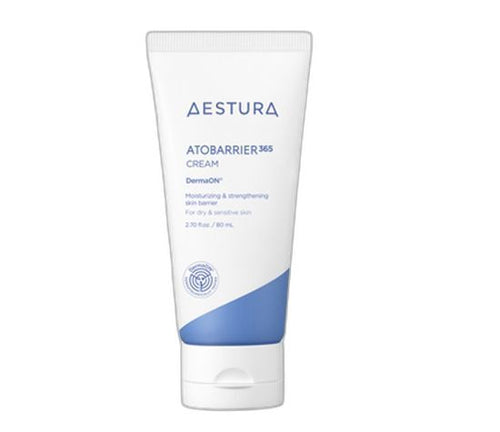
- Moisturizers that slow water loss and reduce that dry, tight feeling
A common point of confusion shows up here. Hydration and moisturization work together, but they do different jobs.
Hydration and moisturization are not the same
If hydration is low, skin can look flat, tired, or finely creased. If moisturization is low, that fresh plumpness disappears quickly because water escapes too fast.
Use this distinction:
| Term | What it does | What it feels like |
|---|---|---|
| Hydration | Adds water to the skin | Plump, fresh, bouncy |
| Moisturization | Helps keep that water from escaping | Soft, cushioned, comfortable |
You need both for the glass skin look to last beyond the first hour after your routine. Oily skin usually needs lighter layers to hold water without feeling heavy. Dry or cold-weather skin often needs a richer final layer so hydration does not evaporate too quickly.
Why water-binding ingredients matter
Hyaluronic acid is widely used for a reason. As noted in Sante Clinics' article on achieving the glass skin trend, natural hyaluronic acid levels decline with age, and topical use can improve hydration noticeably over time. The same source also notes that niacinamide at 5% can visibly improve uneven tone for many users within a few weeks.
Together, those points explain why glass skin routines often pair water-binding ingredients with barrier-supportive ones. Hyaluronic acid helps increase surface hydration. Niacinamide helps skin look calmer, more even, and less reactive, which matters if you are chasing radiance without triggering irritation.
Application changes the result. Humectant serums tend to perform better on slightly damp skin, followed by a cream or lotion that helps keep that water in place. In a very dry climate, using only a hyaluronic acid serum can leave skin feeling less comfortable than expected, especially if there is no sealing layer on top.
Gentle turnover creates the reflective finish
Smooth skin reflects light more evenly. That is one reason glass skin looks clear and glossy rather than just oily. But smoothness comes from controlled turnover, not from scrubbing your face until it feels polished.
Over-exfoliation is one of the fastest ways to lose progress. Skin may look temporarily brighter right after a peel or scrub, then become shiny, inflamed, flaky, or congested a few days later. That is not glow. It is irritation wearing a reflective finish.
A steadier approach works better:
- Barrier support keeps skin comfortable enough to tolerate the rest of the routine.
- Layered hydration gives skin the bounce associated with glass skin.
- Gentle exfoliation clears dull buildup so light reflects more evenly.
That formula can be done in four steps or ten. The K-Beauty philosophy is not about copying a long routine. It is about choosing the right amount of cleansing, hydration, support, and exfoliation for your skin in your climate, then repeating it consistently enough to let your complexion change.
Your Daily Blueprint for Natural Glass Skin
You wake up, wash your face, apply a few promising products, and still end up with skin that looks shiny in some spots, tight in others, and a little irritated by evening. That is usually not a product failure. It is a routine design problem.
Glass skin comes from repeatable daily habits that suit your skin type, your climate, and your tolerance for layering. A humid summer routine can feel suffocating in winter. A dry-skin routine can clog oily skin if every product is copied without adjustment. The goal is not to imitate a long K-Beauty shelf. The goal is to build a daily rhythm that keeps skin clear, hydrated, and calm enough to reflect light evenly.
For a quick visual summary, use this daily flow as your reference:

Morning routine for bounce and protection
Morning care should prepare your skin for the day, not test how many layers it can tolerate.
Step 1: Gentle cleanse or rinse
Start by reading your skin, not following a rule. If you wake up oily, sweaty, or coated in a heavy overnight product, use a mild cleanser. If your skin is dry, easily irritated, or comfortable when you wake up, a water rinse can be enough.
Your face should feel clean and soft afterward. Tightness usually means you removed more than you needed to.
Step 2: Hydrating toner
A hydrating toner replaces water after cleansing and gives the next layer something to hold onto. Press it in with your hands instead of sweeping it across the face with a cotton pad. That method is gentler and usually wastes less product.
Texture matters here. Watery toners often suit oily skin or humid weather. Slightly more cushioned formulas tend to feel better on dry skin or in cold air.
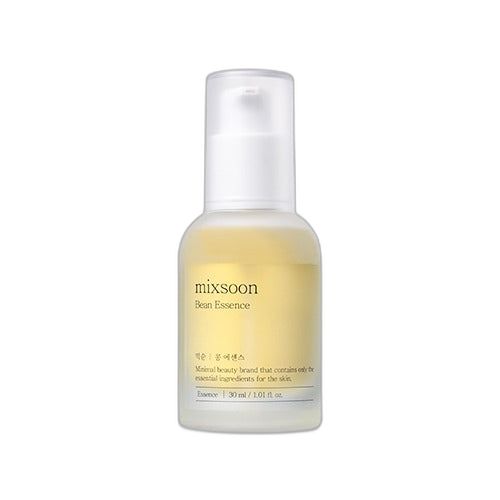
Step 3: Essence
Essence helps connect your hydration step to your treatment step. It adds another light layer of moisture without the weight of a cream, which is why many K-Beauty routines use it to create that fresh, full look.
A good essence works like adding thin coats of clear glaze to pottery. One heavy layer can sit on top. A few light layers tend to look smoother and more even.
Step 4: Serum
Use one serum that answers your main daily need.
- Hyaluronic acid serum for dehydration and a flat, tired look
- Niacinamide serum for uneven tone or more noticeable pores
- Barrier-support serum for easily irritated, sensitized, or overworked skin
Routines often become crowded. If you keep adding active serums because each one sounds useful, the routine often becomes less stable. One well-chosen serum used consistently usually gives better results than several trend-driven formulas used on and off.
Step 5: Moisturizer
Moisturizer keeps the earlier layers from evaporating too quickly. Choose the weight by skin behavior, not by marketing.
- Gel creams often suit oily skin, acne-prone skin, and humid climates
- Lotions or emulsions often suit combination skin or mild weather
- Creams often suit dry skin, mature skin, or cold and windy climates
If your skin looks greasy by noon but still feels dehydrated underneath, the issue may be too little water in the earlier steps, not too much moisturizer.
Step 6: Sunscreen
Daily sunscreen protects the clarity and even tone you are trying to build. Without it, dark marks last longer, redness lingers, and smooth texture is harder to maintain.
Choose a formula you will consistently apply in the right amount and reapply when needed. If sunscreen pills, the routine usually needs less product per layer, more time between layers, or fewer silicone-heavy formulas stacked together.
Evening routine for repair and clarity
Night routines can do a little more work because there is no makeup, heat, or UV exposure competing with the finish.
The foundational double cleanse
Double cleansing is one of the most useful K-Beauty techniques because it separates two jobs that a single cleanser often does poorly. First, you dissolve sunscreen, makeup, and excess sebum. Then you wash away the residue with a gentle water-based cleanser.
According to FW Beauty’s guide to achieving glass skin, consistent double cleansing can significantly improve skin clarity and hydration over time.
Use this method:
-
Oil cleanse on dry skin
Massage your oil cleanser onto a dry face with dry hands. Spend extra time around the nose, chin, and anywhere sunscreen or makeup tends to collect. -
Emulsify properly
Add a small amount of lukewarm water and keep massaging until the cleanser turns milky. This step helps lift away dissolved debris so it rinses off more cleanly. -
Rinse thoroughly
Use lukewarm water. Hot water can leave skin feeling stripped. -
Follow with a water-based cleanser
Use a low-foam or gentle gel cleanser to remove remaining residue without leaving the skin tight.
Acne-prone skin often does well with this method when the cleanser is chosen carefully and rinsed well. The point is not to leave oil on the face. The point is to dissolve stubborn buildup more efficiently before the second cleanse removes it.
Here’s a quick demonstration if you want to see the rhythm of cleansing and layering in motion:
How to layer without overwhelming the skin
Apply from thinnest to thickest. That order usually gives each texture the best chance to sit well and do its job.
A simple nighttime sequence looks like this:
| Order | Product type | Purpose |
|---|---|---|
| 1 | Toner or essence | Rehydrate after cleansing |
| 2 | Treatment serum | Target tone, texture, or dehydration |
| 3 | Moisturizer | Keep hydration in the skin |
| 4 | Sleeping mask on selected nights | Add extra comfort and surface glow |
You do not need every category every night. Skin in a tropical climate may feel perfect with toner, serum, and gel cream. Skin in a dry winter climate may need essence, serum, cream, and an occasional sleeping mask. Adaptation is part of the method.
What if you don’t want a 10-step routine
A shorter routine can work very well.
Try this:
- AM rinse or cleanse, toner, serum, moisturizer, sunscreen
- PM oil cleanse, water-based cleanse, essence or toner, serum, moisturizer
That structure covers the basics without excess. K-Beauty is often misunderstood as a numbers game, but its philosophy is closer to tailoring a wardrobe. You need enough layers for the weather, your skin condition, and your day. No more.
Signs your daily routine is working
Progress usually shows up subtly before it looks dramatic.
Watch for these changes:
- Your skin stays comfortable after cleansing
- Foundation or tint applies more evenly
- Oil production looks more balanced instead of swingy
- Redness settles faster
- Light reflects more evenly across the face
Those are strong signs that your routine is supporting glow instead of forcing it.
Weekly Rituals to Refine and Renew Your Skin
Daily care creates the base. Weekly care fine-tunes the finish.

Exfoliation should make skin smoother, not fragile
If your skin looks dull even when it’s hydrated, surface buildup may be the issue. A well-chosen chemical exfoliant can help.
According to IPSY’s glass skin guide, using an AHA at 5 to 8% or a BHA at 1 to 2% two to three times per week can enhance product penetration by 40% and accelerate the 28-day cell turnover cycle. Clinical panels in the same source showed a 92% improvement in skin texture after a 4-week regimen.
That sounds impressive, but the method matters.
Choosing AHA or BHA
Use the skin concern to guide your choice:
- AHA often suits dry, rough, or flaky skin that needs surface smoothing.
- BHA is often better for clogged pores, excess oil, and congestion.
If you’re new to exfoliation, start with fewer nights and see how your skin responds. Smoother isn’t better if your face starts stinging every time you apply toner.
Start with the lowest useful frequency. It’s easier to add another exfoliation night later than to calm an irritated barrier.
Masks and sleeping packs that actually help
Weekly rituals don’t have to be dramatic. They just need to be strategic.
Try these options:
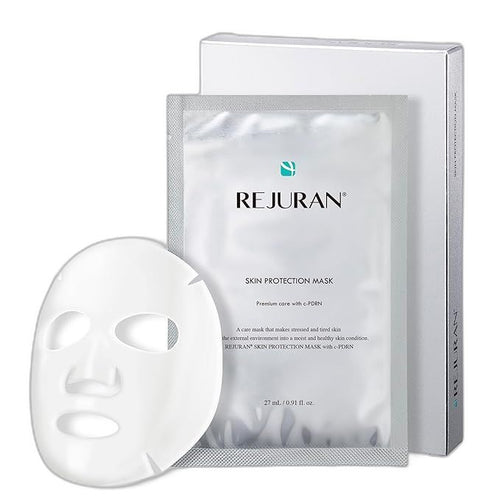
- Hydrating sheet mask when skin feels depleted, especially after travel or indoor heating
- Wash-off soothing mask when your face feels warm, sensitized, or overworked
- Sleeping pack on nights when regular moisturizer doesn’t feel like enough
A simple trick with sheet masks is to apply them after toner or essence, not on completely dry skin. That gives the mask a hydrated base to work with and usually helps the skin feel more supple afterward.
A sample weekly rhythm
This kind of rotation works well for many people:
| Day type | Add-on |
|---|---|
| One evening | BHA or AHA treatment |
| Another evening | Hydrating mask |
| One or two nights | Sleeping pack instead of regular cream |
You don’t need all three every week. Read your skin. If it’s calm and glowing, maintain. If it feels raw, strip things back.
What to avoid during weekly treatments
A few common errors tend to erase the benefits of exfoliation:
- Stacking too many actives in one night
- Using physical scrubs aggressively on already sensitized skin
- Applying exfoliants to compromised skin just because it looks textured
- Skipping moisturizer afterward
The smooth, polished look of glass skin comes from restraint. Weekly care should leave your skin fresher and more refined, not redder and more reactive.
Lifestyle Habits That Build Radiance from Within
You follow your routine at night, wake up, and your skin still looks a little flat. That usually means the issue is no longer just on the surface. Glass skin is built partly in the bathroom, but it is maintained by how well your body recovers, hydrates, and handles stress day after day.

Sleep shows up on your face quickly
Skin does a large share of its repair work while you sleep. If rest is short or inconsistent, the complexion often looks duller, less bouncy, and more easily irritated the next day. You may also notice that dehydration lines look sharper and post-breakout marks seem slower to fade.
As noted earlier, getting enough sleep supports overnight recovery. You do not need a perfect schedule to have good skin, but chronic sleep debt makes glow much harder to maintain.
A useful way to think about this is that skincare products set the stage, while sleep lets the performance happen.
Hydration is internal as well as topical
Hydrating toners, essences, and moisturizers help the outer layers of skin hold water. Internal hydration supports the same goal from the inside. When both are in place, skin usually looks fresher and feels more comfortable.
As noted earlier, steady water intake can support a more balanced-looking complexion. If plain water is easy to forget, attach it to routines you already do. Drink a glass with breakfast, another with lunch, and one when you sit down to work in the afternoon. Small anchors are easier to repeat than vague plans to drink more later.
Climate matters here too. In dry or cold weather, you lose water more easily and may need to be more intentional. In hot, humid weather, the goal is still hydration, but your topical routine may need lighter layers so skin stays clear.
Food choices can support calm, resilient skin
Glass skin is closely tied to low-grade inflammation control. Skin that is constantly dealing with blood sugar swings, a lack of nutrient-dense foods, or a highly stressful routine often looks more reactive and uneven.
You do not need a strict “beauty food” plan. You do want a pattern that supports repair. Helpful staples include:
- Omega-3-rich foods such as salmon, sardines, walnuts, and flax
- Vitamin C-rich produce like kiwi, berries, citrus, and bell peppers
- Vitamin E sources such as almonds, sunflower seeds, and avocado
- Protein-rich meals that give skin the building blocks it needs for ongoing repair
One salad will not transform your skin by morning. Repeated choices matter more than one healthy meal.
SPF protects the glow you build
Daily sunscreen is what keeps bright, smooth skin from slipping backward. UV exposure makes it harder to maintain even tone, refined texture, and the clear reflective look people associate with glass skin.
This matters in every climate. Dry sunny weather can leave skin rough and dehydrated. Humid weather can fool you because skin feels moist, even while UV exposure is still triggering discoloration and inflammation. If you want the glow without irritation or lingering marks, sunscreen has to be part of the lifestyle side of your routine, not an afterthought.
Common Mistakes Sabotaging Your Glass Skin Goals
The biggest mistake isn’t laziness. It’s copying a routine that wasn’t built for your skin or your environment.
Too many layers for your climate
The standard internet version of K-Beauty often assumes that more layers automatically mean more glow. That’s not always true. In humid climates, heavy occlusive layering can feel sticky, trap heat, and increase congestion. The climate-adaptation gap is real. Healthline’s discussion of glass skin notes a 40% higher milia incidence in tropical users of occlusive K-Beauty products, and searches for “glass skin humid climate” are up 150% year over year.
If you live in hot, humid weather, your glass skin routine may look lighter than what you see in Korean winter routines.
A better warm-weather setup often includes:
- Light essences instead of multiple rich serums
- Breathable gel moisturizers instead of heavy creams
- BHA-led texture care if pores clog easily
Over-exfoliating because you want faster results
This happens constantly. Someone wants smoother texture, so they exfoliate more often, use stronger formulas, and add extra acids on top. The skin gets shinier, but not healthier. Then come stinging, redness, rough patches, and rebound oil.
If your face suddenly looks both glossy and irritated, that’s not glass skin. That’s a warning sign.
Chasing ingredients instead of building a routine
A shelf full of trendy actives won’t help if the basics are unstable. You still need:
- A cleanser that doesn’t strip
- Hydration that matches your skin
- A moisturizer that seals appropriately
- Daily sunscreen
Everything else is secondary.
Expecting instant transformation
Many readers get discouraged because they’re looking for dramatic results after a few days. Glass skin is usually built by repeated calm days, not one heroic routine. If your skin is already irritated, the first visible improvement may be that it stops feeling tight and starts looking more even.
That counts. Keep going.
Your Glass Skin Journey FAQs
How long does it really take to see results?
A consistent routine typically requires 4 to 6 weeks to judge whether it's working well for glow, texture, and hydration. That’s a sensible window because skin turnover takes time. Early signs often show up sooner, such as better bounce, less tightness, and smoother makeup application.
Can oily or acne-prone skin achieve glass skin?
Yes. Oily skin can absolutely look clear, hydrated, and refined. The key is choosing lighter layers and being selective about occlusive products. Acne-prone skin usually does better with careful cleansing, hydration that isn’t greasy, and gentle exfoliation used on an appropriate schedule.
Do I need a full 10-step Korean skincare routine?
No. You need the right steps, not the highest number of steps. Plenty of people get better results with a focused routine than with a maximalist one.
Are “natural” ingredients always safer?
No. Natural doesn’t automatically mean gentle. Fragrant botanical extracts, essential oils, and DIY mixtures can still irritate the skin. If your skin is reactive, patch test first and keep the routine simple.
What if my skin gets worse when I start layering hydration?
Look at texture and climate. You may be using too many rich layers, applying too much product, or choosing formulas that feel better in dry climates than humid ones. Simplify, reduce overlap, and let your skin reset.
What’s the fastest way to improve the look of my skin without irritating it?
Focus on the basics for several weeks: proper cleansing at night, layered hydration, a well-matched moisturizer, and daily sunscreen. It's easy to underestimate how much progress comes from doing the simple things well.
If you want to turn these principles into a routine with authentic Korean skincare products, browse Mirai skin for cleansers, essences, serums, moisturizers, and sunscreens from verified K-Beauty brands. The easiest way to start is to build a small routine around your skin type and climate, then adjust based on how your skin responds.