If you've spent any time exploring the world of K-Beauty, you’ve probably heard about peptide serums. They're consistently praised for their incredible firming, anti-aging, and hydrating abilities. So, what’s the secret? The magic of peptide serum benefits lies in their unique power to communicate with your skin cells, sending them signals to boost collagen, repair damage, and build a stronger skin barrier. The result is a complexion that looks and feels visibly plumper, smoother, and more resilient.
Unlocking Younger-Looking Skin

Think of peptides as tiny messengers or expert coaches for your skin. As we age, our skin’s natural production of crucial proteins like collagen and elastin slows down. This leads to the familiar signs of aging: fine lines, a loss of firmness, and skin that no longer has that youthful bounce.
Peptides are short chains of amino acids, which are the fundamental building blocks of those very proteins. When you apply a well-formulated peptide serum, these messengers get to work, essentially reminding your skin how to perform at its peak. They encourage it to rebuild and restore itself from within.
This focus on supporting skin health at a cellular level is a core tenet of authentic Korean skincare. It’s not about quick fixes or masking concerns; it’s about nurturing the skin to function as it should, promoting long-term health and vitality.
The Primary Peptide Serum Benefits
Peptide serums are true multi-taskers. They don't just tackle one problem; they offer a cascade of improvements for your skin. This makes them a fantastic addition to almost any routine, fitting in beautifully alongside other powerhouse ingredients like retinol or snail mucin, which our community knows and loves.
To give you a quick overview, here's a table summarizing what you can expect when you add a quality peptide serum to your daily regimen.
Key Peptide Serum Benefits at a Glance
| Benefit | Primary Outcome for Your Skin |
|---|---|
| Fewer Fine Lines & Wrinkles | Helps smooth out skin texture by stimulating new collagen. |
| Improved Skin Firmness | Supports elastin production to restore skin's natural "bounce" and lift. |
| Enhanced Skin Barrier | Strengthens your skin’s defenses to better retain moisture and block irritants. |
| Boosted Hydration | Works with other hydrators to lock in moisture for a plump, dewy look. |
Ultimately, a good peptide serum delivers visible, lasting improvements because it works with your skin's biology, not against it.
Here’s a closer look at those key benefits:
- Reduced Appearance of Wrinkles: By signaling cells to make more collagen, peptides help plump the skin from within, effectively filling in fine lines and softening deeper wrinkles over time.
- Improved Skin Firmness: They also give a boost to elastin production, the protein responsible for your skin's elasticity. This helps restore a firmer, more lifted, and sculpted appearance.
- Enhanced Skin Barrier: Specific types of peptides are known to fortify your skin's natural shield. A stronger barrier is better at holding onto moisture and defending against environmental aggressors like pollution.
- Boosted Hydration: Peptides play well with other hydrating ingredients, like hyaluronic acid. They help your skin lock in that precious moisture, leading to a supple, glowing finish.
By mimicking the body's own communication systems, peptide serums go far beyond a temporary fix. They empower your skin to repair and rejuvenate itself, leading to long-term improvements in texture, tone, and overall resilience. This biological approach is at the very heart of the K-Beauty philosophy.
How Peptides Work to Rebuild Your Skin

To really grasp why peptide serums are so effective, we need to look beneath the surface. Peptides are short chains of amino acids-the very building blocks of essential proteins. In your skin, the most important proteins are collagen and elastin, which are responsible for keeping it firm, structured, and elastic.
Imagine collagen and elastin as the scaffolding that holds up your skin, keeping it smooth and resilient. As we age, this scaffolding naturally weakens. Our bodies produce less collagen, and existing proteins begin to break down, leading to fine lines, wrinkles, and sagging.
This is where peptides step in. They act like tiny, highly intelligent messengers. When you apply a peptide serum, these small molecules don't just sit on top; they penetrate the skin and start sending signals to your cells, telling them what to do.
Triggering Your Skin’s Natural Repair Mode
One of the most powerful types of peptides in skincare are signal peptides. They’re exceptionally clever. When your skin’s collagen breaks down naturally, it releases tiny peptide fragments. These fragments are a signal to your skin that says, "Hey, there's damage here! Time to start repairs."
A well-formulated peptide serum mimics this natural process. By applying signal peptides from a serum, you're essentially "tricking" your skin into thinking it needs to ramp up its repair functions. This prompts your fibroblast cells to get busy producing fresh, new collagen and elastin.
By sending these specific signals, peptides empower your skin to rebuild itself from within. This isn't an external fix; it's a way of stimulating your skin's own innate ability to heal and regenerate, a core principle of advanced K-Beauty.
Different Peptides for Different Jobs
Not all peptides have the same job. This specialization is what makes them such a versatile ingredient for tackling a range of skin concerns. Think of them as different specialists on a team, each with a unique task.
- Signal Peptides: As we just covered, these are the master communicators. They tell your skin to make more collagen and elastin, which is perfect for firming skin and smoothing wrinkles.
- Carrier Peptides: These act like delivery drivers. They carry essential trace minerals, like copper, to your skin cells, supporting crucial functions like wound healing and overall skin regeneration.
- Neurotransmitter Inhibitor Peptides: Often nicknamed "Botox in a bottle," these peptides work by gently interrupting the nerve signals that cause facial muscles to contract. The result is a softening of expression lines, like crow's feet and forehead wrinkles.
- Enzyme Inhibitor Peptides: These are the protectors. They work by slowing down the enzymes that naturally break down the collagen in your skin. By preserving the collagen you already have, they help your skin stay firm and youthful for longer.
When you understand how these different peptides work, it’s easy to see how a well-formulated serum can offer such comprehensive results. It's not one ingredient doing one thing-it's a team of specialized messengers working together to restore your skin's health and vitality.
The Anti-Aging Power of Peptides
For many K-Beauty enthusiasts, the biggest draw to peptide serums is their incredible anti-aging power. This is where the science of cellular communication translates into visible results: softer fine lines, a firmer feel, and the bouncy elasticity we all strive for. Peptides get right to the source of what makes skin age.
When peptides signal your skin's fibroblast cells to make more collagen, they're directly fighting the structural breakdown that causes wrinkles and sagging. Think of it as a gentle nudge to wake up your skin's own regenerative abilities, restarting a natural process that slows with age. You’re not just applying a topical product; you're adopting a smart strategy for long-term skin health.
And it’s not just a niche trend. The demand for peptide products is booming globally. The peptide skincare market is expected to grow from approximately $2.6 billion USD in 2025 to over $5.7 billion USD by 2031. This massive growth is fueled by consumers seeing real results in boosting collagen and smoothing wrinkles, confirming you’re making a smart choice by investing in a quality peptide serum. You can read more about these peptide skincare market trends on cognitivemarketresearch.com.
Diminishing Fine Lines and Wrinkles
The most celebrated benefit of peptide serums is their ability to smooth the skin's surface. By encouraging fibroblasts to produce 30-50% more collagen, certain peptides help rebuild the skin's supportive structure from the inside out. This internal plumping action fills in the tiny depressions that appear as fine lines.
With regular use, even deeper wrinkles can appear softer and less noticeable. In fact, studies show that using specific peptide complexes consistently can reduce the look of fine lines by up to 20% in just 28 days. This makes peptide serums a fantastic, non-invasive way to get smoother, more refreshed-looking skin.
Restoring Firmness and Elasticity
Beyond wrinkles, a loss of firmness is a major sign of maturing skin. This occurs when both collagen and elastin-the protein that gives your skin its "snap back" quality-start to break down. The result is skin that looks less taut and may begin to sag.
Peptides don't just build; they protect. Some peptides, called enzyme inhibitors, slow down your body's natural process of breaking down the collagen you already have. This dual-action approach-building new protein while preserving what's there-is what makes peptides so brilliant at restoring that youthful bounce.
By supporting both collagen and elastin, peptide serums help to:
- Improve skin density, making it feel plumper and more substantial.
- Enhance elasticity, so it springs back more easily from facial expressions.
- Visibly lift and contour the face for a firmer overall look.
When you choose a peptide serum, you're investing in a product that actively encourages your skin to behave more like it did when it was younger. This proactive approach to skin resilience is a core part of the forward-thinking K-Beauty philosophy we champion at Mirai Skin.
One of the most important jobs peptides perform is strengthening your skin’s protective barrier. While less famous than their anti-aging work, this function is the true foundation of that coveted K-Beauty "glass skin" glow. A strong barrier keeps skin-plumping moisture locked in and everyday irritants sealed out.
When this defensive shield becomes compromised, it shows. Your skin might feel tight, look dull, or become sensitive and prone to redness.
Think of your skin barrier as a sturdy brick wall. Your skin cells are the bricks, and the natural lipids between them are the mortar. Peptides act like a master mason, sending signals to patch up any cracks in that mortar. This keeps your wall strong and intact, protecting your complexion from environmental aggressors like pollution and UV rays.
How Peptides Shield and Hydrate
Some peptides are especially good at this repair work. Copper peptides, for instance, are well-known for their role in healing and cellular regeneration. They help your skin improve its ability to hold onto moisture, which is critical for keeping your complexion resilient, comfortable, and calm.
A great peptide serum is like a bodyguard for your skin. It doesn't just help rebuild the barrier's physical structure; it also improves how it functions. This ensures your skin is better equipped to defend itself and stay perfectly hydrated, day after day.
This holistic approach is a hallmark of advanced Korean skincare. The goal isn't just to fix one problem but to boost the skin's overall health and strength. It's no wonder that demand is soaring for products that both repair and protect, especially in the Asia-Pacific (APAC) region-the heart of skincare innovation.
The numbers back this up. The global skincare market is on track to hit a staggering $235.67 billion by 2031, with multi-tasking products like peptide serums leading the way. The APAC market is a key driver of this growth, accounting for 44.3% of the projected increase in the facial serum market through 2030.
For Mirai Skin’s savvy community, this trend means having access to incredible serums that are clinically shown to boost moisture retention by 25-40%, thanks to powerful ingredients like copper peptides. You can dive deeper into these facial serum market insights on technavio.com.
By adding a barrier-supporting peptide serum to your routine, you’re doing more than just fighting the signs of aging. You’re building a stronger, healthier foundation for your skin-making it less reactive and ready to handle whatever the day throws at it.
How to Choose the Right Peptide Serum
Navigating the world of peptide serums can feel overwhelming, but once you know what to look for, you can shop with the confidence of a skincare expert. It’s all about learning to read an ingredient list beyond marketing buzzwords and understanding what makes a formula truly effective.
The best peptide serums aren’t just about having peptides; they’re about having the right combination of peptides and supporting ingredients that work together in a smart, stable formula.
Decode the Ingredient List
First things first: look for formulas that feature a blend of different peptide types. A serum that includes both Signal Peptides (like Matrixyl 3000) to boost collagen and Carrier Peptides (like Copper Peptides) to aid in repair will give you far more comprehensive benefits than one with a single peptide. This multi-tasking approach is a hallmark of sophisticated Korean skincare, designed to deliver balanced, superior results.
But peptides don't work in a vacuum. The most powerful benefits come from formulas where they are supported by other skin-loving ingredients.
Look for synergistic pairings on the label like:
- Hyaluronic Acid: Think of this as the ultimate hydrator. It draws moisture into the skin, creating a plump, dewy canvas that helps peptides perform more effectively.
- Niacinamide: A true skincare superstar, Niacinamide strengthens the skin barrier, calms inflammation, and evens out skin tone-perfectly complementing the work of peptides.
- Antioxidants (like Vitamin E): These are your skin's bodyguards. They protect your skin from environmental damage, which prevents the breakdown of all the new collagen your peptides are working so hard to build.
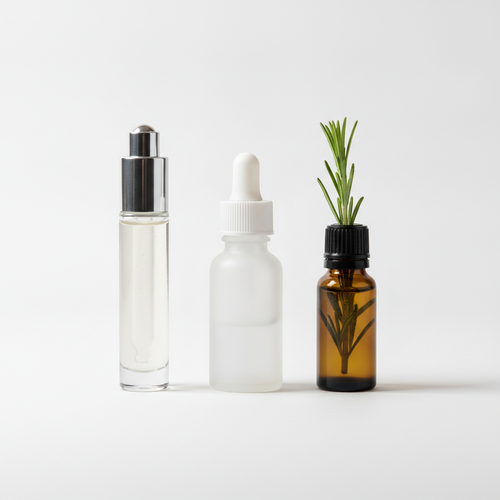
Also, don't forget to check the packaging. Peptides are sensitive and can degrade when exposed to light and air. That’s why you should always look for serums in opaque, airless pump bottles. This type of packaging protects the formula, keeping the ingredients stable and potent from the first drop to the last. Clear jars or droppers simply don’t offer the same level of protection.
When you're selecting a serum, always remember that formulation is everything. A truly effective product is a thoughtful blend of multiple peptide types, complementary ingredients, and stable packaging. This ensures the active ingredients can actually penetrate and communicate with your skin cells.
This simple decision tree shows how peptides can help, whether you're focused on repair or protection.

As you can see, if your skin barrier is compromised, your goal is repair. If it's healthy, your goal is protection. The great thing is, peptides are brilliant at doing both.
Match Peptides to Your Skin Goals
To make things even easier, you can match specific types of peptides to your main skin concerns. Think of it as a cheat sheet to becoming an informed shopper who can confidently select the perfect serum.
Use this table to pinpoint which type of peptide to look for based on what you want to achieve.
Matching Peptide Types to Your Skin Concerns
| Peptide Type | Primary Function | Best For Targeting |
|---|---|---|
| Signal Peptides | Stimulate collagen and elastin production | Fine lines, wrinkles, and loss of firmness |
| Carrier Peptides | Deliver trace minerals for cellular repair | Redness, wound healing, and uneven texture |
| Neurotransmitter Peptides | Gently relax muscle contractions | Expression lines (like crow's feet and frown lines) |
| Enzyme-Inhibitor Peptides | Slow the breakdown of existing collagen | Preserving skin firmness and preventing sagging |
By using this table, you'll know exactly what to scan for on an ingredient list. If you're tackling sagging skin, a serum packed with Signal Peptides is your best bet. Focused on smoothing expression lines around your eyes? Look for Neurotransmitter Peptides. It’s that simple.
How to Layer Peptide Serums in Your Routine

Getting the full peptide serum benefits comes down to smart layering. For these powerful messengers to do their job, they need a clear path to your skin cells. The golden rule of K-Beauty layering-apply products from the thinnest to thickest consistency-is your best friend here.
Because peptide serums are usually lightweight and water-based, they should be applied right after cleansing and toning. This gives them direct, unobstructed access to your skin. Once your serum has had a moment to absorb, you can lock it all in with your heavier products, like moisturizers, face oils, or a sleeping mask.
The Best Ingredient Pairings
Peptides are team players. They work beautifully with many other K-Beauty superstars, and pairing them correctly can amplify their effects, helping you reach your skin goals even faster.
Some of the best partners for peptides include:
- Hyaluronic Acid: This duo is a hydration powerhouse. Hyaluronic acid floods the skin with moisture, creating the perfect plump, dewy canvas for peptides to work their firming magic.
- Niacinamide: Combining niacinamide and peptides is a brilliant strategy for strengthening your skin barrier, calming redness, and improving overall skin tone and texture.
- Snail Mucin: A K-Beauty favorite for a reason! Snail mucin hydrates, soothes irritation, and supports skin repair-all of which perfectly complement the regenerative work that peptides do.
Pairing peptides with hydrating and barrier-supporting ingredients is a core tenet of Korean skincare. This synergistic approach ensures your skin is not only getting firming signals but is also perfectly moisturized and resilient.
Ingredients to Use with Caution
While peptides get along with most ingredients, there are a couple that are best kept in separate routines. Potent, low-pH products like direct acids (AHAs and BHAs) and L-Ascorbic Acid (a pure form of Vitamin C) can potentially break down peptides, making them less effective.
But you don't have to choose between them. The simple solution is to alternate their use. For example, use your Vitamin C serum in the morning to protect against environmental damage and save your peptide serum for your evening routine to focus on repair. This way, every active ingredient gets to perform at its peak without interference.
Your Peptide Serum Questions, Answered
Jumping into advanced skincare always sparks a few questions. To help you feel completely confident adding this powerhouse ingredient to your routine, we’ve gathered answers to the most common questions our K-Beauty community asks about peptide serums.
How Long Does It Take to See Results from Peptides?
While many peptide serums provide an immediate plumping effect thanks to hydrating ingredients, the real magic takes patience. Peptides work by signaling your skin to build new collagen and elastin, which is a gradual process.
You can expect to see noticeable improvements in firmness, elasticity, and fine lines within 4 to 12 weeks of consistent, daily use. Stick with it-the long-term rewards are well worth it.
Can I Use Peptides with Retinol or Vitamin C?
Yes, but it's all about smart layering. Peptides and retinol are a fantastic anti-aging team. In fact, peptides can help soothe and support your skin barrier, which is a huge plus when using a powerful active like retinol.
With a potent Vitamin C (like L-Ascorbic Acid), it’s often best to use them at different times of the day to ensure both ingredients work at their peak. A great routine looks like this:
- Morning: Vitamin C serum for antioxidant protection against daily stressors.
- Evening: Peptide serum to focus on repair and regeneration while you sleep.
Are Peptide Serums Okay for Sensitive Skin?
Absolutely. Peptides are generally very well-tolerated, even by sensitive or reactive skin. One of the key benefits of certain peptide types is their ability to strengthen the skin's natural barrier.
A stronger barrier means less redness, irritation, and sensitivity over time. As with any new product, it’s always wise to check the full ingredient list for other potential irritants and do a patch test first.
When Should I Start Using a Peptide Serum?
It’s never too late to start reaping the rewards of peptides, but you can certainly get ahead by using them for prevention. Our body’s natural collagen production starts to slow down in our mid-20s.
Introducing a peptide serum around this time can help keep your skin’s scaffolding strong and resilient. Whether you're focused on prevention or turning back the clock, peptides are a valuable addition at any age.
Related Reading
Ready to see what these incredible communicators can do for your skin? Explore the curated collection of authentic K-Beauty peptide serums at Mirai Skin and find the perfect formula to elevate your routine. Discover your next holy grail serum today!
![[SOME BY MI] Retinol Bakuchiol Dual Cream 50ml](http://www.mirai-skin.com/cdn/shop/files/product_images_1786624489.product-image-1_0f94c941-f62b-4393-ac16-c2b0beb06f921789029928.jpg?v=1789283101&width=300)
![[Pyunkang Yul] Ultimate Calming Solution Cream 30ml](http://www.mirai-skin.com/cdn/shop/files/product_images_1733971473.ultimatecream1741103643.jpg?v=1747730640&width=300)