You spend roughly eight hours asleep every night. That's eight hours your skin could be absorbing a concentrated treatment, repairing damage from the day, and locking in every layer of hydration you applied before bed. Korean sleeping masks are designed to exploit that window — and the results can be dramatic.
The best Korean sleeping mask products have become a global phenomenon because they deliver visible results by morning. Plumper skin, reduced fine lines, a dewy glow that lasts through the day. These overnight treatments represent one of K-beauty's most effective innovations, and once you try one, your nighttime routine will never feel complete without it.
What Is a Korean Sleeping Mask and How Does It Work?
A sleeping mask (also called a sleeping pack or overnight mask) is a leave-on treatment applied as the final step of your nighttime routine. Unlike sheet masks you remove after 20 minutes or wash-off masks you rinse away, sleeping masks stay on your face all night and are washed off in the morning.
The mechanism is simple but effective. Sleeping masks create a breathable occlusive layer over your skin that:
- Locks in all previous skincare layers — your toner, serum, and moisturizer stay put instead of evaporating overnight
- Reduces transepidermal water loss (TEWL) — the occlusive barrier prevents moisture from escaping through your skin while you sleep
- Delivers active ingredients slowly — many sleeping masks contain their own actives (hyaluronic acid, niacinamide, propolis, etc.) that penetrate gradually over hours rather than minutes
- Supports overnight skin repair — your skin's cell turnover and repair processes peak between 11 PM and 2 AM, and sleeping masks create optimal conditions for this renewal
Most sleeping masks have a gel, gel-cream, or lightweight cream texture. They shouldn't feel heavy or suffocating — well-formulated sleeping masks absorb within minutes of application and don't transfer onto your pillowcase.
Sleeping Mask vs. Night Cream vs. Sheet Mask: Key Differences
These three products often get confused, but they serve different purposes in your routine:
Sleeping Masks
Applied over moisturizer as a final sealing step. Contain occlusive agents (dimethicone, shea butter, beeswax derivatives) plus active ingredients. Used 2-3 times per week for most skin types, or nightly for very dry skin. Washed off in the morning.
Night Creams
Richer versions of your daily moisturizer. They replace (not layer over) your daytime moisturizer. Used nightly. Night creams focus on replenishing lipids and providing richer hydration but don't create the same occlusive seal as sleeping masks.
Sheet Masks
Single-use fabric or hydrogel masks soaked in essence. Applied for 15-20 minutes, then removed. They deliver a concentrated dose of hydration and actives quickly but don't have sustained overnight effects. Great as a weekly treatment, but they serve a different function than sleeping masks.
The key distinction: sleeping masks seal and sustain, sheet masks deliver and boost, and night creams nourish and replace. You can absolutely use all three in the same week — they complement rather than compete with each other.
8 Best Korean Sleeping Masks for Every Skin Concern
Finding the best Korean sleeping mask depends on your skin type and primary concern. Here are eight standout formulas that have earned loyal followings:
1. Laneige Water Sleeping Mask
The product that started the sleeping mask craze outside of Korea. This gel-type mask contains Laneige's proprietary Sleep-tox technology with evening primrose extract and apricot extract to purify skin overnight. CICA and panax ginseng calm and rejuvenate. The lightweight, non-sticky texture makes it suitable for all skin types, and it's particularly effective for dehydrated skin that needs a hydration reset. Wake-up effect: plump, dewy, refreshed skin with noticeably smaller-looking pores.
2. COSRX Ultimate Nourishing Rice Overnight Spa Mask
Rice extract is a traditional Korean beauty ingredient prized for its brightening and softening properties. This sleeping mask contains 68% rice extract plus niacinamide to even out skin tone while you sleep. The texture is a rich cream that melts into skin without greasiness. Excellent choice for dull, uneven skin that needs radiance restoration.
3. COSRX Full Fit Propolis Honey Overnight Mask
Propolis (bee resin) is packed with flavonoids and amino acids that nourish and repair skin. This mask combines 87% propolis extract with royal jelly and beeswax for deep overnight nourishment. The honey-like texture is surprisingly non-sticky after absorption. Best for dry, damaged, or post-procedure skin that needs intensive repair.
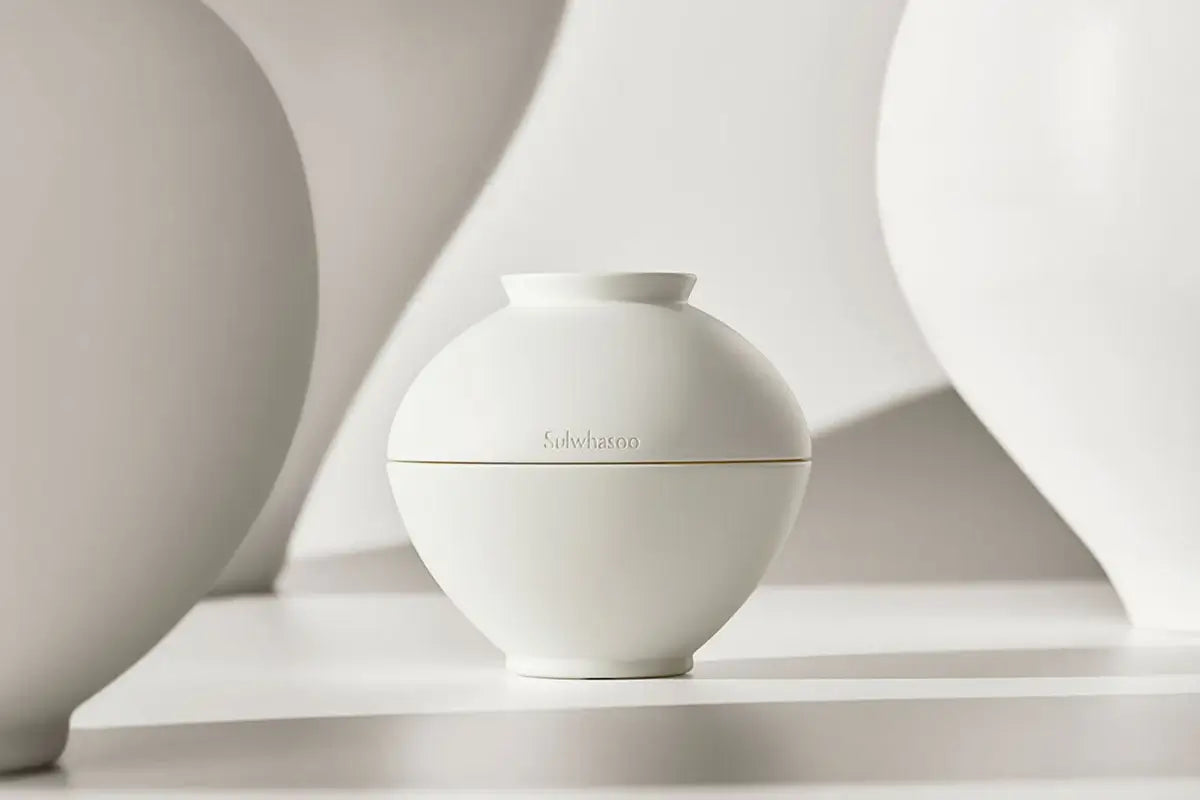
4. Sulwhasoo Overnight Vitalizing Mask
The luxury option. Sulwhasoo harnesses Korean herbal medicine with their Jaum Balancing Complex featuring peony, lotus, lily, and white mulberry extracts. This sleeping mask delivers anti-aging benefits alongside deep hydration. The texture is a smooth gel-cream that absorbs quickly. A splurge, but the overnight firming and radiance results justify the price for mature or stressed skin.
5. Innisfree Green Tea Sleeping Mask
Formulated with Jeju green tea extract and green tea seed oil for antioxidant protection and lightweight hydration. This mask has a fresh, cooling gel texture that suits oily and combination skin types that find richer sleeping masks too heavy. Helps strengthen the skin barrier while controlling excess shine overnight.
6. Etude Soon Jung Sleeping Pack
Designed for the most sensitive skin types. Contains panthenol (provitamin B5), madecassoside, and sunflower seed oil in a gentle, fragrance-free formula. The barrier-repairing properties make it ideal for reactive skin, rosacea-prone skin, or skin recovering from over-exfoliation. Mild enough for nightly use.
7. Laneige Lip Sleeping Mask
While technically a lip product, no best Korean sleeping mask roundup is complete without it. This cult-favorite lip treatment uses a berry mix complex, vitamin C, and coconut oil to resurface and hydrate chapped lips overnight. Apply a thick layer before bed and wake up to the softest lips you've ever had. Explore our Laneige Lip Mask review for a deeper look.
8. Pyunkang Yul Calming Moisture Barrier Sleeping Pack
A newer entry that has quickly gained popularity. Combines ceramides, squalane, and centella extract for serious barrier repair overnight. The balm-to-cream texture creates a protective seal without heaviness. Outstanding for skin that feels tight, flaky, or chronically dehydrated — especially during harsh winter months.
How to Use a Korean Sleeping Mask in Your Nighttime Routine
To get the full benefit from the best Korean sleeping mask, proper layering order matters. Here's exactly where it fits:
Complete Nighttime Routine With Sleeping Mask
- Oil Cleanser — dissolves sunscreen and makeup
- Water-Based Cleanser — removes remaining impurities
- Exfoliant (2-3x/week) — chemical exfoliant if your routine includes one
- Toner — rebalances pH, first layer of hydration
- Essence/Serum — targeted treatment step
- Moisturizer — locks in hydration
- Sleeping Mask — the final seal over everything
Apply the sleeping mask as the very last step, over your moisturizer. Use about a nickel-sized amount and spread it evenly across your face and neck. Avoid the eye area unless the product specifically states it's eye-safe.
How Often Should You Use a Sleeping Mask?
This depends on your skin type and the mask's formulation:
- Dry skin: 4-5 times per week, or even nightly during winter
- Normal skin: 2-3 times per week
- Oily skin: 1-2 times per week, using a lightweight gel formula
- Sensitive skin: Start with once per week and increase gradually if tolerated
More isn't always better. If you use a sleeping mask every night and notice breakouts or congestion, scale back to 2-3 times per week. Your skin needs some nights to "breathe" with just moisturizer.
Korean Sleeping Masks for Specific Skin Concerns
Different skin concerns call for different formulations. Here's how to match a sleeping mask to your primary goal:
For Deep Hydration
Look for sleeping masks with hyaluronic acid, squalane, and ceramides. The Laneige Water Sleeping Mask and Pyunkang Yul Calming Moisture Barrier Sleeping Pack excel here. Layer over a hyaluronic acid serum applied to damp skin for maximum plumping effect.
For Oil Control
Choose gel-type sleeping masks that hydrate without adding oil. Innisfree Green Tea Sleeping Mask is ideal — green tea's astringent properties help regulate sebum production overnight. Avoid heavy balm or cream textures that could clog pores.
For Brightening
Rice extract, niacinamide, and vitamin C derivatives brighten dull skin over time. The COSRX Ultimate Nourishing Rice Overnight Spa Mask combines rice and niacinamide for gradual but noticeable brightening. Use consistently for at least four weeks to see results.
For Anti-Aging
Peptides, ginseng, and retinol pair well with sleeping masks' sustained-release delivery. Sulwhasoo Overnight Vitalizing Mask addresses fine lines and loss of firmness with its herbal complex. For retinol users: apply your retinol serum first, wait 10 minutes, then seal with a sleeping mask to buffer potential irritation while maintaining efficacy.
For Calming Sensitive Skin
Centella, panthenol, and madecassoside calm inflammation and repair the barrier overnight. Etude Soon Jung Sleeping Pack is formulated specifically for this purpose. Avoid sleeping masks with fragrance, essential oils, or active acids if your skin is reactive.
Tips to Maximize Your Sleeping Mask Results
Getting the most out of the best Korean sleeping mask requires a few strategic habits beyond just applying the product:
Exfoliate Before Sleeping Mask Nights
Dead skin cells create a barrier that prevents your sleeping mask (and every product underneath it) from penetrating properly. On nights you plan to use a sleeping mask, incorporate a gentle chemical exfoliant earlier in your routine. A low-percentage AHA or PHA toner works well. Don't physically scrub — let the chemical exfoliant do the work, then layer your routine as usual with the sleeping mask on top.
Invest in a Silk or Satin Pillowcase
Cotton pillowcases absorb product from your face all night long. A silk or satin pillowcase creates less friction and absorbs significantly less product, meaning more of your sleeping mask stays on your skin where it belongs. Bonus: silk pillowcases also reduce hair breakage and sleep creases on your face.
Run a Humidifier in Winter
Indoor heating drops humidity levels dramatically during cold months, and your skin pays the price. Running a humidifier in your bedroom maintains ambient moisture levels around 40-60%, which helps your sleeping mask work more effectively. Hyaluronic acid-based sleeping masks, in particular, perform better in humid environments because HA draws moisture from the air into your skin.
Apply to Slightly Damp Skin
After your moisturizer has mostly absorbed (but before your skin is completely dry), apply your sleeping mask. The residual dampness helps the mask spread more evenly and enhances the occlusive seal.
Don't Forget Your Neck and Decolletage
Your neck ages just as quickly as your face — sometimes faster because it's often neglected. Extend your sleeping mask down your neck and onto your upper chest. These areas benefit enormously from overnight hydration treatments.
For a complete guide to building the perfect evening routine around your sleeping mask, read our article on building the perfect night skincare routine.
Common Sleeping Mask Mistakes to Avoid
Even the best Korean sleeping mask won't deliver results if you're using it incorrectly:
- Using too much product: A thin, even layer is all you need. Glopping on a thick layer doesn't increase effectiveness — it just transfers to your pillowcase and can cause breakouts.
- Skipping moisturizer underneath: Sleeping masks are designed to seal in hydration, not replace your moisturizer. Without a moisturizer underneath, there's less hydration to seal in.
- Not washing it off in the morning: Sleeping masks need to be properly removed with your morning cleanser. Leaving residue on and applying sunscreen over it can cause pilling and reduced SPF protection.
- Using one that's wrong for your skin type: A rich, creamy sleeping mask on oily acne-prone skin is a recipe for breakouts. Match the formula to your skin type — gel for oily, cream for dry.
Frequently Asked Questions
Can I use a sleeping mask every night?
You can, but most skin types do better with 2-3 times per week. Very dry skin may benefit from nightly use, especially in winter. Oily and acne-prone skin should limit use to 1-2 times weekly. If you notice breakouts or a heavy, congested feeling, reduce frequency.
Do I apply sleeping mask before or after moisturizer?
After moisturizer. The sleeping mask is always the last step in your nighttime routine. It acts as a seal over all your previous products — toner, serum, and moisturizer should all be applied before the sleeping mask.
Can sleeping masks replace my night cream?
Not exactly. Sleeping masks and night creams serve different functions. Night creams provide direct nourishment and replenish lipids. Sleeping masks create an occlusive seal to lock everything in. For the best results, use your night cream or moisturizer as usual, then apply the sleeping mask over it on treatment nights.
Will a sleeping mask make my pillowcase greasy?
Well-formulated Korean sleeping masks absorb within a few minutes and should not transfer significantly. If you're finding residue on your pillowcase, you're likely using too much product. Reduce to a thin, even layer and wait 5 minutes before lying down. A silk pillowcase also helps minimize transfer.
Are Korean sleeping masks good for acne-prone skin?
Yes, provided you choose the right formula. Gel-based sleeping masks with non-comedogenic ingredients work well. Look for formulas containing niacinamide, centella, or green tea, and avoid heavy butters and oils. COSRX and Innisfree offer lightweight options that hydrate without triggering breakouts.