You know the feeling. Your routine is solid. You use vitamin C in the morning, retinol at night, sunscreen every day, and you can read an INCI list without blinking. Yet your skin still looks a little flat, or it gets tight and reactive the moment you add one more active.
That is usually the point where K-Beauty lovers start looking beyond “stronger” ingredients and toward better skin function. Not just faster exfoliation or brighter pigment correction, but a complexion that holds moisture well, looks calm, and has that lit-from-within clarity people often call a healthy glow.
That search is one reason vegan kombucha tea essence has become such a talked-about category. It sounds trendy, and sometimes the marketing gets ahead of the science. But underneath the buzz, there is an interesting idea: use fermented tea derivatives, barrier-supporting lipids, humectants, and soothing plant extracts in one lightweight layer that helps skin feel more balanced.
The key is understanding what this type of essence does. It is not magic. It is not bottled kombucha from your fridge. And it is not proof that live probiotics on skin are the future of skincare.
Used well, though, it can be a smart step for people whose skin is dehydrated, stressed, sensitive, or no longer responding to harsher routines.
The New Holy Grail for Glowing Skin
A lot of people arrive at vegan kombucha tea essence after a plateau.
Their acne is mostly under control. Their dark spots are lighter. Their routine has the “right” ingredients. But their skin still swings between dull and irritated, especially during weather changes, travel, over-exfoliation, or long stretches of indoor heating and air conditioning.

That is where fermented skincare often enters the conversation. In Korean skincare, fermentation has long appealed to users who want formulas that feel elegant, layer well, and support the skin barrier without the heaviness of a rich cream.
Why the glow conversation changed
The older way of chasing glow was simple. Exfoliate more. Brighten more. Resurface more.
The newer view is more balanced. If your barrier is not happy, your glow rarely lasts. You might get a short burst of smoothness, then dryness, flushing, tightness, and that slightly shiny-but-dehydrated look many active users know too well.
A kombucha essence fits this newer mindset because it usually focuses on three visible goals:
- Hydration first. Skin looks plumper and less papery.
- Barrier support. Redness and reactivity can feel less dramatic.
- Comfortable radiance. The finish looks healthier, not greasy.
Why K-Beauty enthusiasts keep coming back to essences
An essence is often the step that makes the rest of a routine feel better. It is the cushion layer between cleansing and treatment.
For experienced skincare users, that matters. Retinoids, exfoliating acids, and even some brightening serums perform better when skin is well-hydrated and less inflamed. So the appeal of vegan kombucha tea essence is not only what it does alone. It is how it can make the entire routine feel more livable.
If your skin is “good but never settled,” you may not need a stronger active. You may need a better hydration and barrier strategy.
That is why this category has become a modern holy grail for some users. Not because it replaces every other step, but because it helps skin behave like healthier skin.
What Exactly Is Vegan Kombucha Tea Essence
The name sounds more complicated than it is. Break it into three parts and it starts to make sense.

Vegan means the formula is built around non-animal ingredients
In this context, vegan usually signals that the product avoids animal-derived ingredients and is positioned for shoppers who care about plant-based formulations and cruelty-free standards.
That does not automatically tell you whether the formula is gentle, effective, or elegant. It only tells you something about ingredient sourcing and brand philosophy. You still need to look at the full ingredient list.
For many K-Beauty shoppers, vegan also overlaps with another preference: formulas that feel modern, efficient, and less likely to rely on older animal-derived skincare ingredients.
Kombucha tea refers to fermented tea derivatives, not a drink for your face
Confusion often starts here.
When you hear kombucha, you probably think of a fizzy fermented drink. In skincare, the idea is related, but the end result is very different. The formula uses fermented tea-derived ingredients, such as black tea components and ferment filtrates, processed for skincare use.
A helpful analogy is yogurt. You do not think of yogurt only as “milk.” You think of what fermentation does to milk. It changes the material and creates new byproducts.
Skincare fermentation works in a similar way. The process can create postbiotics and antioxidant-rich compounds that brands value for soothing and conditioning formulas. This is more plausible than imagining live probiotic colonies surviving on your face and transforming your skin microbiome overnight.
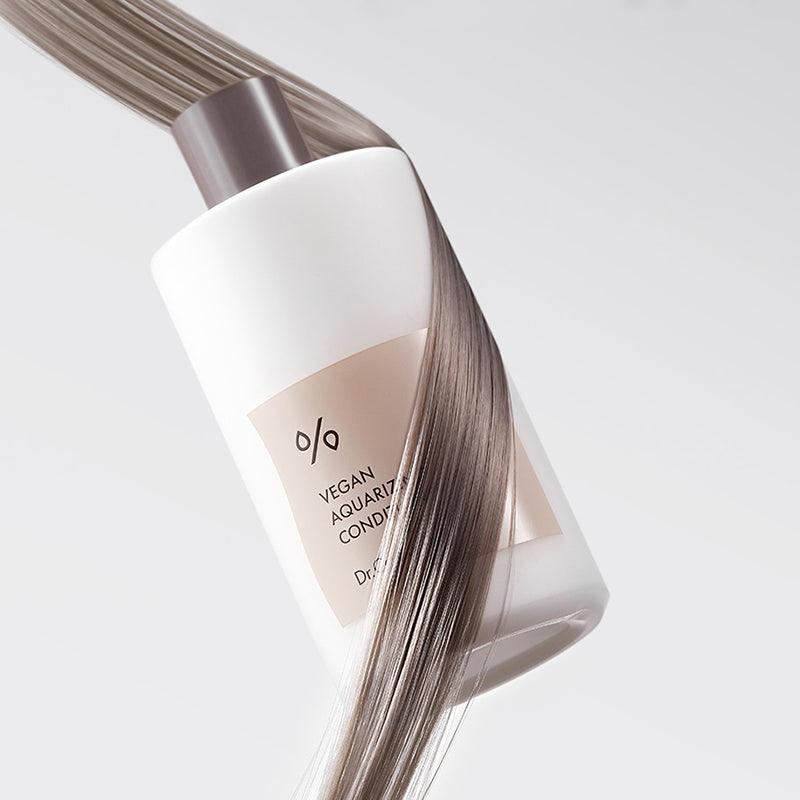
One well-known example is the Dr. Ceuracle formula. Its Vegan Tea Complex makes up 78% of the formula, according to the Dr. Ceuracle product page. In that formula, the complex includes Camellia Sinensis Leaf Water, Camellia Sinensis Leaf Extract, Saccharomyces Ferment Filtrate, and Schisandra Chinensis Fruit Extract.
That matters because it shows the product is not using kombucha as a token ingredient. It is central to the composition.
Essence is a Korean skincare category with a specific job
An essence sits between watery prep and concentrated treatment. It is usually lighter than a serum, but more treatment-oriented than a basic toner.
Think of it as the hydration bridge in your routine.
It is not there just to make skin wet. A good essence helps the skin feel more receptive, more cushioned, and less likely to react badly to everything you apply afterward.
What you are buying
When people buy vegan kombucha tea essence, they are not really buying “probiotics in a bottle.” They are usually buying a formula built around:
- Fermented tea derivatives
- Humectants that attract water
- Soothing botanical extracts
- Barrier-supporting ingredients
- A lightweight texture that layers easily
That combination explains the appeal. It gives the sensorial lightness of a watery step, but often with more comfort than a plain toner.
The biggest myth to clear up early
A lot of marketing uses the word probiotics because it sounds advanced and skin-friendly. But with topical fermented skincare, the stronger argument is usually about the byproducts of fermentation, not about live cultures acting on skin in the way they do in digestive health.
So if you are shopping intelligently, ask a better question. Not “does this contain probiotics?” Ask “what else is in this formula that supports hydration, calmness, and barrier function?”
That question leads you to ingredients that are easier to connect to visible results.
How Essences Differ From Toners and Serums
One of the most common K-Beauty questions is simple: where does an essence fit if you already own a toner and a serum?
The answer becomes much clearer when you stop treating these categories as interchangeable. They can all be watery. They can all contain actives. But they are not trying to do the same job.
The simplest way to think about it
A toner prepares. An essence replenishes. A serum targets.
That is not a perfect rule for every product on the market, but it works well enough to build a routine without confusion.
Essence vs. Toner vs. Serum at a Glance
| Product Type | Primary Purpose | Typical Texture | When to Apply |
|---|---|---|---|
| Toner | Refresh skin after cleansing and help prep it for the next steps | Watery to lightly viscous | Right after cleansing |
| Essence | Deliver lightweight hydration and support absorption of later steps | Watery, milky, or fluid | After toner, before serum |
| Serum | Deliver more concentrated treatment for specific concerns | Thin gel, fluid, or slightly richer concentrate | After essence, before moisturizer |
Why toners often feel less substantial
Traditional toners are usually the first leave-on layer after cleansing. Their role is often practical. They help remove any lingering residue, lightly hydrate, and make skin feel ready for the next product.
Some modern toners are treatment-heavy, so the line can blur. But many still feel more like a quick first pass than a true cushioning step.
If your skin often feels tight after cleansing, toner alone may not be enough.
Why essences feel different on skin
A vegan kombucha tea essence often has that signature in-between texture. It may look fluid in your hand, but once patted in, it leaves a soft, conditioned feel that is more noticeable than a basic toner.
That difference is functional. The point is not just moisture for a few seconds. The point is to create a better hydrated surface so your routine layers more comfortably.
For people who say, “My serum is good, but I still feel dry underneath,” essence is often the missing step.
Why serums still matter
Essences are supportive. Serums are more specific.
If you want to address hyperpigmentation, fine lines, excess oil, or loss of firmness with a focused active, that is usually serum territory. Niacinamide, vitamin C derivatives, peptides, azelaic acid, and retinoid-adjacent treatments often live there.
So a kombucha essence should not be viewed as a replacement for every serum. It is better understood as the step that helps skin tolerate and benefit from treatment products more smoothly.
A practical routine example
Here is how this can look in real life:
- After cleansing use a toner if you like that fresh, first-layer hydration.
- Then apply essence to increase water content and give skin a more comfortable base.
- Then apply serum for your specific concern, such as brightening or anti-aging.
- Seal with moisturizer so the hydration from the earlier layers does not evaporate too quickly.
If your skin feels stingy when you apply serum, the issue may not be the serum alone. It can be the lack of a hydrating buffer underneath it.
A good essence earns its place by changing how the rest of the routine feels, not by shouting louder than your serum.
Who Should Use Vegan Kombucha Essence
Not every skincare product suits every person. Vegan kombucha tea essence comes closest when the formula is built around hydration and barrier support, but some skin types will notice the difference more quickly than others.
Dry and dehydrated skin
Dry skin lacks oil. Dehydrated skin lacks water. Many people have some of both.
A kombucha essence is often most satisfying for this group because it adds a light, absorbable layer before cream. That matters if rich moisturizers alone sit on top of your skin but do not fully relieve that inner tightness.
Look for formulas with humectants and barrier support rather than relying on the fermented claim alone. The immediate visible result is often skin that looks less creased, less tired, and more supple.
Sensitive or barrier-impaired skin
Formulation matters most here.
According to the INCIDecoder analysis of Dr. Ceuracle Vegan Kombucha Tea Essence, the formula’s barrier-focused strength comes from a combination of Ceramide NP, Sodium Hyaluronate, and soothing botanicals such as Centella Asiatica. In practical terms, that means the formula is not depending on tea alone. It combines lipids, humectants, and calming plant extracts to help skin hold moisture and feel less reactive.
If your skin gets red after cleansing, stings around the nose, or struggles after retinoids and acids, that kind of architecture makes more sense than a product built only around trend ingredients.
Dull and tired-looking skin
Dullness is not always dead skin buildup. Sometimes it is stress, dehydration, irritation, or a weak barrier that scatters light unevenly.
Tea-derived ingredients appeal here because shoppers often want antioxidant support without the punch of a stronger active. A lightweight fermented-tea essence can slot into a routine without competing too aggressively with other treatment steps.
The visible payoff is usually not “instant glass skin.” It is subtler. Skin looks fresher, less flat, and more even in tone and texture over time.
Combination skin that feels oily and thirsty at once
This skin type often gets overlooked.
A person with an oily T-zone may avoid richer skincare, then accidentally under-hydrate the rest of the face. An essence can help balance that situation because it delivers hydration in a thin layer rather than pushing everyone straight to a heavy cream.
This is especially useful when your cheeks feel dry but your forehead still gets shiny.
Acne-prone users who overdo active treatments
Many acne-prone routines become too stripping. The result is familiar: oiliness, redness, flaky patches, and breakouts that seem both inflamed and dehydrated.
A vegan kombucha tea essence can be a smart support step if it is free from obvious irritant triggers for your skin and if the rest of the formula prioritizes calm hydration. It will not replace acne treatment. It can, however, make the rest of an acne routine easier to tolerate.
A quick self-check
You are a strong candidate for this category if any of these sound familiar:
- Your skin feels tight after cleansing
- Retinol works, but your face gets cranky
- Your glow disappears by midday
- Creams feel heavy, yet your skin still seems thirsty
- You want support, not another aggressive treatment
People with very resilient, low-maintenance skin may not find an essence essential. But people with stressed, fluctuating, or over-treated skin often do.
Integrating Kombucha Essence into Your K-Beauty Routine
You wash your face, apply a few products, and still end up wondering where essence belongs.
That confusion makes sense. A vegan kombucha tea essence often looks as fluid as a toner, but it is usually meant to behave more like a hydration and comfort layer that sits between cleansing and your treatment steps. The goal is not to flood the skin with fermented ingredients. It is to create a better environment for the rest of your routine, especially if your skin gets tight, dull, or easily irritated.

The basic order
Apply it on clean skin, before heavier leave-on products. If you use a true toner, use the essence after toner and before serum and moisturizer. In the morning, finish with sunscreen.
A simple rule helps here. Go from thinnest to thickest. Essence belongs in the middle of that flow, after cleansing has reset the skin and before creams form a more sealed layer on top.
How to apply it well
Pour a small amount into your palms, then press it into the face and neck.
Hands usually work better than a cotton pad for this type of product. You lose less formula, and the pressing motion helps you notice how your skin responds. If your face feels evenly damp and comfortable, you likely used enough. If it still feels dry in patches a few seconds later, a second thin layer often works better than one large splash.
Gentle patting is fine too. Friction is not the goal.
A minimal routine
A stripped-down routine can make kombucha essence easier to judge, especially if you are testing whether it helps with hydration or comfort.
- Cleanser
- Vegan kombucha tea essence
- Moisturizer
- Sunscreen in the morning
This setup is useful when your barrier feels overworked. It also helps you separate the actual benefits of the essence from the hype around it. If your skin looks calmer, feels less tight, and holds moisture better through the day, that is meaningful progress.
A fuller K-Beauty routine
If you like multiple layers, keep the logic clear instead of adding steps out of habit:
- Oil cleanse
- Water-based cleanse
- Toner
- Kombucha essence
- Targeted serum
- Moisturizer
- Sleeping pack at night or sunscreen by day
The sequence matters because each layer has a job. The essence acts like a cushion between cleansing and stronger treatments, which can make the routine feel more balanced. That matters more than the word "kombucha" on the label. In practice, the skin-friendly payoff usually comes from humectants, emollients, tea extracts, and fermentation-derived postbiotic material that supports hydration and comfort.
Morning, night, or both
Many people do well with this step twice daily, but once a day is a smart starting point for reactive skin.
Morning use can help skin feel smoother under sunscreen or makeup. Night use often makes more sense if you are also using retinoids, exfoliating acids, or acne treatments, because the essence can add a buffer of hydration before those stronger formulas go on. If you are unsure whether your skin likes it, start at night for a week and watch for practical signs. Less tightness after cleansing, fewer flaky areas, and a more even glow by morning.
Layering for extra hydration
Dehydrated skin often responds well to two or three thin layers.
This is the same logic behind multi-layer essence routines sometimes grouped under the "7-skin method," although very few people need seven rounds. Thin layers absorb more evenly, much like watering a dry plant's soil in stages instead of dumping everything in at once. The skin tends to feel bouncier and less sticky that way.
Start with one layer for a week. If your skin still absorbs it immediately and feels dry soon after, add a second thin layer before switching to a heavier cream.
A short demo can help if you are more visual about application technique:
Common mistakes to avoid
- Applying after heavy cream Occlusive products slow penetration, so the essence cannot do much prep work once that layer is already in place.
- Using too many new products at once If irritation shows up, you need a clean way to identify the cause.
- Expecting probiotic magic In skincare, "fermented" does not automatically mean live probiotics are colonizing your face. Visible benefits usually come from the formula's hydrating, soothing, and antioxidant components.
- Skipping moisturizer if your skin still needs one Hydration and sealing are different functions. Many essences supply water-binding support, but they do not always provide enough occlusion on their own.
- Using a large amount because it feels light Fluid texture can be misleading. More product does not always mean better hydration. It can just leave the skin tacky.
Pairing Kombucha Essence for Maximum Results
Once you understand vegan kombucha tea essence as a support layer, pairing becomes much easier. The smartest combinations do not try to make the essence do everything. They use it to improve comfort, hydration, and tolerance around stronger actives.

With vitamin C in the morning
This pairing makes sense for people focused on brightness and environmental stress.
Vitamin C can help with radiance and uneven tone, but some formulas feel sharp on easily irritated skin. Using essence first can create a more hydrated base, which often makes the overall routine feel smoother and less drying.
Try this flow:
- Cleanse
- Essence
- Vitamin C serum
- Moisturizer if needed
- Sunscreen
The visible goal is not dramatic instant brightening. It is a fresher-looking complexion with less irritation along the way.
With retinol at night
This is one of the most useful pairings for experienced skincare users.
Retinol can improve texture and visible aging concerns, but it often comes with dryness, flaking, or irritation. A hydrating essence underneath can soften that transition and help your skin tolerate the routine more comfortably.
Some users also apply essence, then retinol, then moisturizer. Others use the “sandwich” method with moisturizer before and after retinol if they are very sensitive.
With niacinamide when skin feels unsettled
Niacinamide and kombucha essence often work well in the same routine because they chase similar visible goals from different angles: a calmer look, balanced feel, and more refined surface appearance.
If your skin is oily but dehydrated, or if your barrier feels slightly off after too many actives, this combination can feel especially logical.
With exfoliating acids
Proceed more carefully here.
A kombucha essence can make an acid routine feel more comfortable, but that does not mean every acid should be paired every night with every supportive product you own. If your skin is already sensitized, simplify first.
A safer pattern is to use the essence before or after a mild acid only if you know your skin tolerates the combination well. When in doubt, keep exfoliation nights shorter and calmer.
Pairings that make less sense
Sometimes shoppers overbuild.
If your essence, toner, serum, and cream all promise fermentation, microbiome balance, barrier repair, glow, and calming, you may not be gaining much from stacking similar claims. You may just be making your routine expensive and harder to troubleshoot.
A better strategy is to give each product a role:
- Essence for hydration and comfort
- Serum for the main target
- Cream for sealing and support
That division keeps the routine effective and easier to adjust with the seasons.
Choosing Your Kombucha Essence and What to Expect
A vegan kombucha tea essence is easiest to judge the same way you would judge any good skincare formula. Start with the ingredient list, then ask what those ingredients can realistically do for skin you can see and feel.
The label may say “fermented,” “probiotic,” or “microbiome-friendly.” Those words are only useful if the formula underneath them supports hydration, comfort, and barrier function.
What to look for on the INCI list
Read the first part of the INCI list like a recipe. Ingredients placed higher up usually shape the texture and performance more than the ones tucked near the end.
Good signs include recognizable tea and ferment ingredients such as:
- Camellia Sinensis Leaf Water
- Camellia Sinensis Leaf Extract
- Saccharomyces Ferment Filtrate
These suggest the product is built around tea-derived and fermented materials, rather than using kombucha as a branding theme.
Then check the support ingredients. This is often where the likely skin results become clearer. Fermentation can create useful byproducts, but the formula still needs humectants to draw in water, lipids to reduce moisture loss, and calming ingredients to help skin stay comfortable.
Useful examples include:
- Ceramide NP for barrier support
- Sodium Hyaluronate for water-binding hydration
- Centella Asiatica Extract for soothing
- Schisandra Chinensis Fruit Extract as part of a calming botanical profile
How to read the probiotic claim critically
Kombucha marketing can get slippery here.
A balanced view is more trustworthy than a glowing one. Fermented skincare can be helpful, but that does not automatically mean live probiotics are doing the work on your face. In many formulas, the more plausible benefit comes from postbiotics and antioxidant compounds created during fermentation, along with the rest of the moisturizing base.
Postbiotics work like the useful leftovers of fermentation. The microbes do the processing before the product reaches your shelf. What your skin often receives is not a colony of living organisms setting up camp, but a mix of filtered ferment byproducts, soothing compounds, and supportive hydrators. For visible results, that distinction matters. It points your attention toward softer texture, less tightness, and a calmer look, rather than exaggerated claims about “rebalancing” the skin microbiome overnight.
A thoughtful review from BTY ALY’s analysis of the Dr. Ceuracle Vegan Kombucha Tea Essence makes this point well. Its value comes from postbiotics and antioxidants, not from treating the essence like a jar of live yogurt for your skin.
Smart skincare shopping starts with a simple question. Which ingredients are likely to create the result I want to see in the mirror?
What visible results are realistic
Expect gradual, supportive improvements.
You may notice:
- A softer skin feel
- Less tightness after cleansing
- A more hydrated look through the day
- A smoother surface that helps later products apply more evenly
- A calmer overall appearance
Those changes can make skin look healthier and more light-reflective, which is one reason these essences get associated with “glow.” The glow usually comes from better hydration and a more settled barrier, not from fermentation alone.
An essence still has limits. It will not replace acne medication, remove stubborn pigmentation by itself, or perform like a high-strength treatment serum.
A simple quality checklist
Before buying, run through a short filter:
- Check where the tea and ferment ingredients appear Higher placement usually suggests they are more than trace additions.
- Look for barrier support Ceramides, humectants, and soothing extracts often predict a better user experience.
- Confirm vegan and cruelty-free claims Product names can imply more than the certification guarantees.
- Match the texture to your routine A milky essence may feel comforting in dry weather and too rich in heat and humidity.
- Keep the role of the product clear An essence supports hydration and comfort. It does not need to do everything.
A vegan kombucha tea essence earns its place when the formula makes sense on paper and gives skin a steadier, healthier look over time.
If you want to explore Mirai skin, use the same ingredient-first approach described above. Compare formulas closely, check whether the kombucha story is backed by a well-built base, and choose the option that fits your skin’s needs rather than the trend around it.