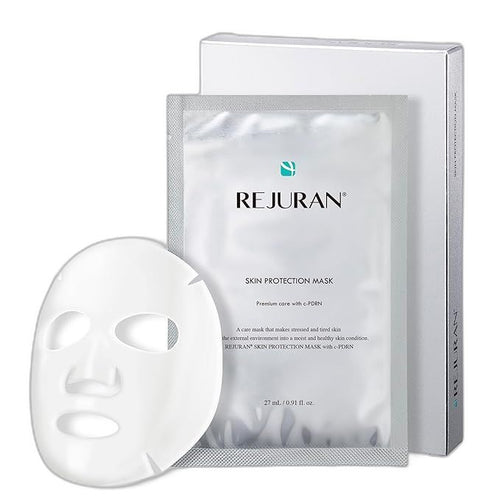
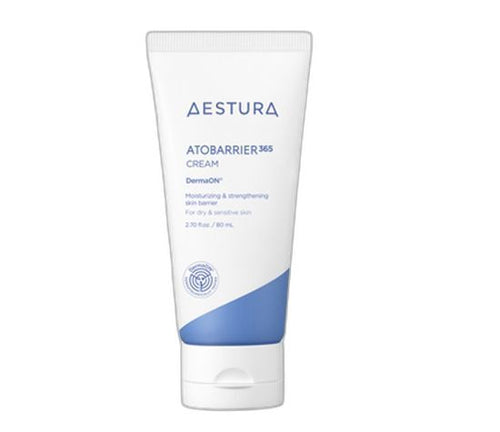
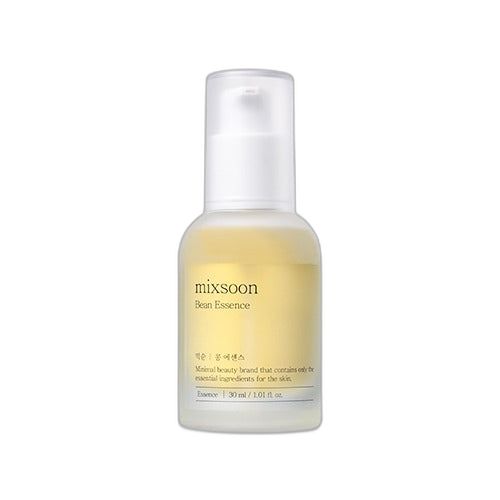
You've probably had this moment already. You're browsing a favorite essence, cleanser, or sunscreen, and suddenly the product page is packed with ethical language: vegan, cruelty-free, clean, plant-based, mindful. If you already know your niacinamide from your retinal, that kind of labeling can feel less helpful than it should. The question isn't whether the words sound good. It's whether the formula matches the claim.
That matters even more in K-beauty, where ingredient storytelling is a real part of the category's appeal. Many shoppers love Korean skincare because it doesn't reduce everything to one harsh active. It layers hydration, calming extracts, ferments, and texture in a way that feels elegant on skin. Vegan Korean skincare products can absolutely deliver that same experience, but only if you know how to separate a verified vegan formula from a product that just borrows the language.
The good news is that you don't need to shop blindly. Once you know what to look for on a product page, an INCI list, and a brand FAQ, you can audit most claims yourself in a few minutes.
The Rise of Veganism in K-Beauty
Vegan Korean skincare products didn't appear out of nowhere. They sit in a very strong part of the beauty market, where vegan cosmetics demand and K-beauty demand overlap.
The clearest signal comes from broader category growth. The global vegan cosmetics market is projected to grow from USD 21.88 billion in 2026 to USD 37.43 billion by 2034, with a 6.94% CAGR, and skin care is the largest segment at 40.45% of share in 2026, according to Fortune Business Insights on the vegan cosmetics market. In that same source, the broader K-beauty products market is estimated at USD 118.28 billion in 2025 and projected to reach USD 252.41 billion by 2033, with skin care representing 56.78% of K-beauty revenue in 2025.
That combination tells you something useful as a shopper. Vegan skincare isn't a fringe add-on inside K-beauty. It's forming in the category where consumers already spend most of their attention and money.
Why this shift feels bigger than a label trend
K-beauty has always moved quickly, but not every trend changes formulation philosophy. Vegan positioning does. It affects raw material selection, emulsifier choices, occlusives, humectants, and how brands talk about proof.
Vegan Korean skincare products make the most sense when you see them as a formulation shift, not a packaging shift.
That's why the category feels more mature now than it did a few years ago. Instead of a handful of isolated “vegan” launches, more shoppers are looking for product lines that can hold up under scrutiny. If a brand wants to be taken seriously, it can't stop at front-label marketing. It has to support the claim with ingredients, documentation, and consistency across its range.
What knowledgeable shoppers are really asking
Most ingredient-savvy buyers aren't asking whether vegan K-beauty exists. They're asking tougher questions:
- Will it still perform well: especially if they're used to classics like snail mucin or propolis.
- Can they verify it themselves: without relying on vague retailer copy.
- Is the whole brand vegan: or only a few products.
Those are the right questions. They're also the ones that prevent expensive mistakes.
What Vegan K-Beauty Really Means
The term vegan in skincare has one core meaning. The formula contains no animal-derived ingredients or by-products.
That sounds simple until it gets mixed up with cruelty-free, clean, or natural. In practice, those words solve different problems. A product can be vegan but not cruelty-free. It can be cruelty-free but still contain honey, beeswax, or collagen. It can also be marketed as clean or natural and still not be vegan at all.

Vegan and cruelty-free are not the same thing
A restaurant analogy helps. If a dish is vegan, it means the ingredients contain no animal products. If it's cruelty-free, that says something about how the dish was prepared and sourced, not whether it contains animal ingredients.
Core difference: Vegan refers to ingredients. Cruelty-free refers to animal testing. You need both claims if you want both standards covered.
Many shoppers often get tripped up. They assume a bunny logo or a cruelty-free statement automatically means the formula is free from animal-derived inputs. It doesn't.
The certifications worth noticing
As the Korean vegan skincare category has matured, brands have increasingly pursued third-party standards such as EVE Vegan, The Vegan Society, and Leaping Bunny, as noted in Aere Beauty's guide to Korean vegan skincare. The same guide also notes that some Korean vegan skincare brands are already available in over 50 countries, which shows how export-ready and standardized the category has become.
That same source highlights how uneven brand portfolios can be. It describes Purito as “almost entirely vegan,” while Axis-Y, Tocobo, and Bonajour are described as 100% vegan. That distinction matters. Brand reputation can guide you, but it doesn't replace product-level checking.
Labels that sound similar but don't mean the same thing
Use this quick comparison when you're shopping:
| Term | What it tells you | What it does not tell you |
|---|---|---|
| Vegan | No animal-derived ingredients | Nothing on its own about animal testing |
| Cruelty-free | No animal testing claim | Nothing on its own about ingredients |
| Clean | Brand-specific ingredient philosophy | Not a vegan guarantee |
| Natural | Ingredients may be naturally derived | Not a vegan guarantee, and not always gentler |
A clean label can still include beeswax. A natural balm can still contain lanolin. A cruelty-free ampoule can still use propolis.
That's why the front of the box is only the start.
Decoding the Vegan K-Beauty Ingredient List
If you want to shop vegan Korean skincare products confidently, the INCI list is where the essential work happens. That's also where many attractive formulas stop being vegan.
Some ingredients are obvious. Others hide in plain sight because they're so normal in classic K-beauty that shoppers don't question them anymore. According to Elizabeth Mott's explanation of vegan Korean skincare ingredients, common animal-derived ingredients that require attention include snail mucin, honey, beeswax, propolis, lanolin, and collagen. The same source notes that brands often replace them with bakuchiol, beta-glucan, and centella asiatica.
The classic non-vegan culprits
These are the ingredients I tell shoppers to flag first:
- Snail mucin: A K-beauty staple for slip, hydration, and a cushioned skin feel. Great texture. Not vegan.
- Honey and propolis: Often used in glow-focused or soothing formulas. They can make a product feel richer and more comforting, but they're animal-derived.
- Beeswax: Common in balms, sticks, and heavier creams because it helps with structure and occlusion.
- Lanolin: Used for softness and barrier support, especially in richer textures.
- Collagen: Frequently used as a marketing hook for plumpness. In vegan formulas, it has to be replaced with other film-formers or humectant systems.
A practical mistake shoppers make is only checking the product name. If a cream doesn't say “honey” on the front, they assume it's safe. But beeswax or collagen may still show up further down the INCI list.
The vegan swaps that actually make sense
Good vegan formulation isn't about removing one famous ingredient and hoping for the best. It's about replacing function.
Here's the swap logic that usually works well:
| Traditional non-vegan ingredient | Why brands used it | Vegan alternative often used | Why the replacement works |
|---|---|---|---|
| Snail mucin | Slip, hydration, skin-soothing feel | Beta-glucan or Centella asiatica | Helps maintain hydration and a calming, reparative profile |
| Honey or propolis | Comforting, nourishing feel | Botanical humectants and plant extracts | Keep the formula softer and more skin-friendly |
| Beeswax | Texture, structure, balm stability | Plant waxes or oil-structured systems | Preserve form and spreadability |
| Lanolin | Richness and barrier support | Jojoba or sunflower oil systems | Give emollience without animal sourcing |
| Collagen | Plumping marketing story, film feel | Humectants and supportive plant actives | Deliver hydration-focused bounce without animal collagen |
| Retinol alternatives needed in vegan-led formulas | Some shoppers want gentler plant-led routines | Bakuchiol | Offers a familiar smoothing direction in a plant-based framework |
Practical rule: Don't ask whether the vegan version copies the old ingredient exactly. Ask whether it replaces the same job in the formula.
That's the smarter way to judge performance.
What works well and what can disappoint
The best vegan Korean skincare products usually lean into what K-beauty already does well. Lightweight layers. Elegant textures. Calming hydration. Fermentation. Botanical support.
What tends to disappoint is the formula that tries too hard to mimic a heavy animal-derived texture without enough formulation finesse. A balm without proper structure can feel draggy. A cream replacing lanolin or beeswax poorly may separate, pill, or lose that smooth seal on the skin.
A strong vegan formula doesn't need to pretend it's a snail essence. It just needs to deliver hydration, comfort, and finish in its own way.
How to Confidently Verify Vegan Skincare Claims
This is the part most shoppers need. Not another list of “best vegan brands.” A repeatable way to verify products for yourself, especially when you're shopping across international retailers, translated product pages, or marketplaces with inconsistent labeling.

A useful guide from White Rabbit Skincare on vegan Korean skincare verification points out why this matters. Some brands are fully vegan, while others are only partly vegan. The guide notes that Purito is “almost fully vegan,” while brands such as Beauty of Joseon, Isntree, and Some By Mi have only selected vegan products. That means you can't verify the brand once and assume every item is safe.
Step 1 check for third-party proof
The strongest starting point is a visible certification logo or a clear, product-level statement from the brand.
Look for signs tied to recognized standards such as EVE Vegan, The Vegan Society, or a clearly stated vegan certification. If a product page uses broad ethical language but avoids any precise wording, slow down. “Conscious,” “clean,” and “botanical” are not substitutes for a vegan claim.
Step 2 read the full INCI list
This step is non-negotiable. Scan for the red-flag ingredients discussed earlier, especially snail mucin, honey, beeswax, propolis, lanolin, and collagen.
Two habits make this easier:
- Search the ingredient list directly: If you're on desktop, use find-on-page for obvious terms.
- Check the complete list, not the highlights: Marketing bullets often mention only the hero ingredients.
If the product page doesn't show the full INCI list, treat that as missing evidence, not a minor inconvenience.
Step 3 cross-check the brand's official policy
Go beyond the retailer page. Check the brand's official website, FAQ, or values page for a clear explanation of whether the whole line is vegan, whether only selected products are vegan, and how they define the term.
A brand can be reputable and still be mixed. That isn't a problem if it's disclosed clearly. It becomes a problem when shoppers assume a brand-level reputation applies to every cleanser, toner, and cream in the catalog.
Step 4 use retailer curation carefully
Specialist retailers can help, but they shouldn't replace your own audit. Retailer tags are useful shortcuts, not final proof.
Here's a simple checklist to keep open while shopping:
- Certification visible: Better than a vague ethical claim
- Full INCI available: Better than a hero-ingredient summary
- Brand policy stated clearly: Better than scattered product copy
- Product-level wording consistent: Better than relying on the brand name alone
That process sounds fussy the first time. After a few purchases, it becomes second nature.
Building Your Vegan Korean Skincare Routine
A strong vegan routine doesn't need to look different for the sake of it. It should still follow the same logic as a good K-beauty routine: cleanse thoroughly, hydrate in layers, treat with intention, and seal in comfort without overloading the skin.

According to Korean Vegan Beauty's overview of vegan K-beauty formulation, these formulas are often built around plant extracts, fermentation, and gentle humectants, and they can be especially well suited to sensitive-skin routines. That same source also highlights ultrasonic extraction of botanical complexes, including a four-herb blend of sophora root, scutellaria root, coptis root, and mulberry bark, used to improve extraction efficiency in water-based formulas.
Start with cleansing that removes without stripping
For the first cleanse, a vegan oil cleanser usually works best when it's built around plant oils rather than a wax-heavy texture. Jojoba- or sunflower-based systems tend to rinse more elegantly and are easier to formulate without beeswax.
For the second cleanse, look for a low-foam gel or cream cleanser focused on skin feel, not squeaky cleanliness. Vegan formulas often excel here because they already lean toward gentler surfactant systems and soothing extracts.
Use hydration as your backbone
Vegan Korean skincare products often stand out. A well-made toner or essence based on humectants, centella, green tea, or fermented ingredients can give you the plump, layered effect many people used to chase through animal-derived ingredients.
Good signs in this step include:
- Humectant support: hyaluronic acid, beta-glucan, glycerin
- Calming botanicals: centella asiatica, green tea
- Texture discipline: watery or slightly cushioned, not sticky for the sake of feeling rich
If your skin is easily irritated, this is usually the step that determines whether the whole routine feels elegant or exhausting.
A quick visual routine guide can help if you prefer to map textures and order before buying:
Treat with targeted serums, not trend ingredients alone
This is the step where shoppers often overcomplicate things. You don't need five serums just because the formulas are lightweight.
Instead, build around one clear goal:
- For barrier support: choose centella, beta-glucan, or a calming fermented serum
- For texture concerns: look for a bakuchiol-led formula if you want a vegan-friendly retinoid alternative approach
- For dehydration: stick with a humectant-rich ampoule and keep the rest of the routine simple
Finish with a moisturizer that matches your skin's reality
The hardest part of vegan cream formulation is often structure. When brands replace beeswax, lanolin, or animal collagen, they need to control texture carefully. The good ones feel balanced, sealed-in, and stable. The weaker ones can feel thin but oddly greasy, or rich but unstable under sunscreen.
Choose your moisturizer by finish, not by promise. Dry skin usually needs a denser cream. Combination skin often does better with a gel-cream that still leaves a comfortable seal.
That's how you get a routine that feels coherent, not just ethically aligned.
Your Vegan K-Beauty Questions Answered
Are vegan Korean skincare products less effective
No. A vegan formula can be excellent if the brand replaces function, not just ingredients. A serum doesn't need snail mucin to be soothing, and a moisturizer doesn't need lanolin to feel protective. Well-formulated products use alternatives like centella asiatica, beta-glucan, plant oils, fermentation, and layered humectants to create performance in a different way.
The weak formulas aren't weak because they're vegan. They're weak because the texture, structure, or ingredient balance isn't well executed.
Is vegan skincare always better for sensitive skin
Not automatically. Vegan doesn't mean irritation-free, fragrance-free, or allergy-safe. A vegan formula can still contain essential oils, strong actives, or botanical blends that don't suit your skin.
What often helps is that many vegan K-beauty formulas are built around gentler hydration systems and calming plant extracts. That can make them a strong fit for reactive skin, but the actual formula still matters more than the label.
Where should I shop if I want trusted vegan K-beauty
Choose a retailer that specializes in authentic Korean skincare, lists full ingredient details when possible, and curates products carefully instead of relying on vague trend tags. That gives you a much better starting point than mass marketplaces with copied descriptions and inconsistent labeling.
The best approach is still the same one used throughout this guide. Check the product page. Check the INCI list. Check the brand's own policy. If all three line up, you're shopping from a position of knowledge instead of hope.
If you want to shop authentic Korean skincare with more confidence, browse Mirai Skin. It's a dedicated K-beauty retailer focused on authentic products from verified Korean distributors, which makes it a strong place to explore vegan-friendly routines, compare formulas, and find products that match the ingredient standards you care about.