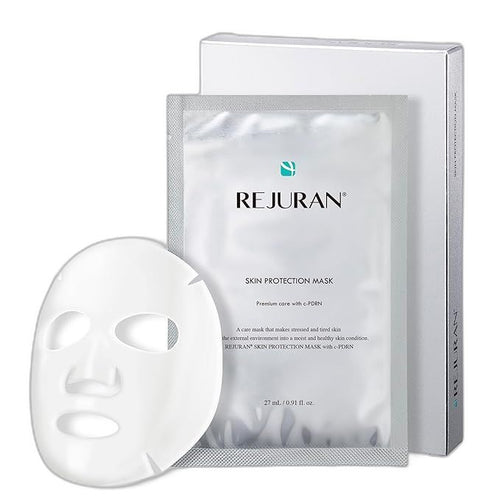
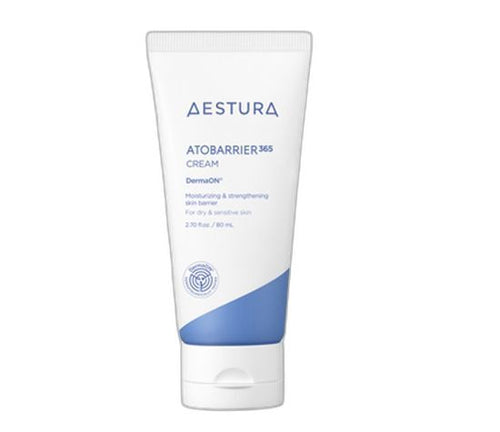
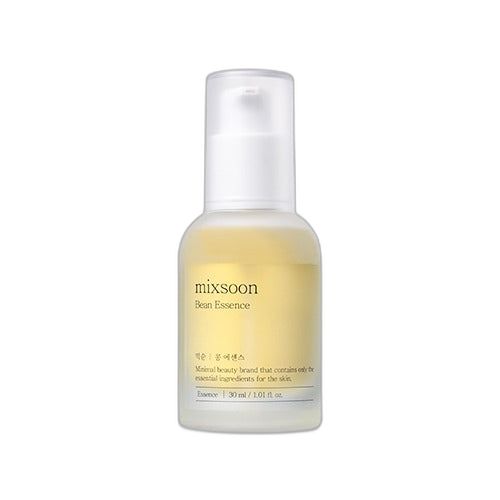
The positive test is still sitting on the counter, and suddenly your skin care shelf looks different. The retinol serum you loved. The brightening cream you bought for post-acne marks. The exfoliating toner that kept your texture smooth. You're happy, overwhelmed, and probably searching ingredient lists with one eye half-open.
That reaction makes sense. Pregnancy changes your skin, but it also changes how you think about risk. Pregnant individuals don't want a scary list. They want clear help with real routines, real labels, and real swaps that still feel like skin care, especially if K-Beauty is already part of daily life.
The reassuring part is this. You usually don't need to give up effective skin care products when pregnant. You just need to pause a short list of ingredients, simplify where needed, and build around actives with low systemic concern. If you love Korean skin care for its elegant textures, hydrating layers, and barrier-first formulas, there's still a lot you can use confidently.
Navigating Your Skincare Routine During Pregnancy
You open the bathroom cabinet, pick up a favorite serum, and suddenly realize you are reading the ingredient list like it is a final exam. That moment is common, especially if your routine includes Korean skincare products with long INCI lists and several treatment steps.
The good news is that pregnancy usually does not require throwing out your whole routine. A better approach is to edit it with purpose. Keep the steps that support your skin barrier, pause the ingredients already discussed by pregnancy safety experts as higher concern, and look more closely at products that bundle several strong actives into one formula.
Start with a calm routine audit
A routine audit works a lot like packing for a trip. You are not judging every product you own. You are deciding what still fits the current situation.
Go product by product and sort each one into three groups:
- Keep using if it is simple, hydrating, and unlikely to irritate. Gentle cleansers, barrier creams, basic essences, and sunscreen usually fall here.
- Pause for now if it contains ingredients commonly avoided during pregnancy, such as retinoids or hydroquinone.
- Check the label carefully if it has a long ingredient list, multiple exfoliating acids, strong fragrance, or vague marketing terms that do not clearly tell you what the active ingredients are.
For K-Beauty fans, this step is often less dramatic than expected. Many Korean skincare routines already center on hydration and barrier care, with ingredients like glycerin, hyaluronic acid, ceramides, panthenol, and Centella asiatica. In other words, a lot of the routine you already love may stay. You are usually swapping the high-risk treatment steps, not starting from zero.
Practical rule: Pregnancy skincare works best when it is boring in the right ways. Calm, consistent, and barrier-friendly beats aggressive exfoliation every time.
Simplify the structure before you swap products
If your old routine had seven, eight, or ten steps, start by shrinking the frame before you decide what to buy next. A smaller routine makes it easier to spot irritation, identify a product that no longer agrees with your skin, and avoid accidental overlap between actives.
A strong pregnancy-friendly base routine looks like this:
- Gentle cleanse
- One or two treatment steps
- Moisturizer
- Daily sunscreen
That core routine gives you room to adapt without losing the K-Beauty feel. You can still use a hydrating toner, a soothing essence, or a comforting sleeping pack if your skin enjoys them. The difference is that each step should earn its place.
If a product is there only because it used to be in your lineup, it can probably rest for now. Pregnancy skincare is less about doing more and more about choosing safer swaps that still address real concerns, especially pigment changes and hormonal breakouts.
Understanding Your Skin's New Hormonal Reality
Some people get the famous pregnancy glow. Others get breakouts, blotchy pigment, dryness, or stinging from products they've used for years. Both experiences are normal.
What often trips people up is that pregnancy skin can feel contradictory. You might be oily and dehydrated at the same time. You might break out around the chin but also notice more sensitivity on the cheeks. Your old routine may suddenly feel too strong, even if nothing about the bottle changed.

Why melasma and uneven tone show up
Pregnancy often makes skin more reactive to sun exposure, which is why discoloration becomes such a common concern. Melasma can appear as patchy brown or gray-brown areas, often on the cheeks, forehead, or upper lip. If you're already prone to post-inflammatory marks after acne, pregnancy can make that more frustrating.
This is one reason sunscreen matters so much more than people think. It's not just a final step. It's the piece that helps prevent existing pigmentation from deepening.
Why acne can return out of nowhere
Hormonal acne during pregnancy often feels unfair because it can appear even if your skin has been stable for years. The most common pattern is congestion around the lower face, but some people also notice more overall oiliness or clogged pores.
Many readers often get confused. They assume acne treatment equals harsh treatment. During pregnancy, that's usually the wrong move. Stripping cleansers, strong peels, and too many actives can leave skin angrier, not clearer.
Why your usual products may sting
Pregnancy can make skin more sensitive, and ingredient-label ambiguity makes that harder to manage. The American Academy of Dermatology notes that the challenge of navigating pregnancy skincare is often less about one hero ingredient and more about learning to read the full ingredient list, especially for compounds such as phthalates, parabens, and complex fragrance blends, which many clinicians advise limiting, as explained in the AAD's pregnancy skin care guidance.
That matters a lot in K-Beauty, where a product can look gentle from the front label but still contain fragrance or essential oils deeper in the INCI list.
- If your skin feels suddenly reactive, check for fragrance and strong exfoliants first.
- If your skin feels tight, add barrier support before adding more treatment.
- If a product “used to work” but now burns, your skin may be signaling lower tolerance, not a need for stronger products.
The most useful skill isn't memorizing a blacklist. It's learning how to judge a complete formula.
The Pregnancy Skincare Ingredients to Pause
You finally find a routine that keeps your skin calm, then pregnancy asks you to edit the lineup. The reassuring part is that the pause list is shorter than many people fear. The tricky part is that a few K-Beauty favorites for acne, texture, and brightening are on it.

The easiest way to approach this section is to sort ingredients into two groups. One group is clear pause territory. The other needs context, especially dose, format, and whether the product is over the counter or prescription.
Retinoids come first
If there is one category to remove from your routine during pregnancy, it is topical retinoids. This includes retinol, retinal, tretinoin, adapalene, retinyl palmitate, and other vitamin A derivatives.
That can feel frustrating because retinoids are often the workhorse in a routine. They help keep pores clear, smooth texture, and soften post-acne marks. During pregnancy, though, they are the category dermatologists most consistently tell patients to pause.
For K-Beauty shoppers, this part can be easy to miss. A cream may be marketed for wrinkle care, firming, or skin renewal, while the actual retinoid appears only in the INCI list. If you see “retin,” “retinal,” “retinol,” or “vitamin A derivative,” put that product on the shelf for later.
Hydroquinone is also a pause ingredient
Hydroquinone is another ingredient to set aside during pregnancy. It is used for dark spots and melasma, but it is absorbed through the skin more readily than many other topical ingredients, which is why clinicians commonly advise avoiding it while pregnant.
This is one of the clearest examples of why “brightening” on the front label is not enough information. In Korean skincare, a tone-correcting essence or spot cream may rely on niacinamide, tranexamic acid, or vitamin C, but another may use hydroquinone. The goal on the box can sound similar. The safety decision is not.
If pigmentation is your main concern, do not panic. You are not giving up on treatment. You are switching tools for a season.
The ingredients that need context
Some ingredients live in the gray zone, often leading to confusion. A leave-on serum used every night is different from a wash-off cleanser. A low-strength exfoliant is different from a peel done in a clinic.
- Salicylic acid is the best example. Lower-strength products are often treated differently from high-strength peels.
- Trichloroacetic acid, often called TCA, is generally avoided.
- Prescription acne and hair-loss medications may matter more than your toner or serum. The American Academy of Dermatology includes ingredients and medications such as finasteride, spironolactone, tetracyclines, and 5-fluorouracil among those to avoid during pregnancy in its public guidance: AAD pregnancy skin care guidance.
A quick visual recap can help when you're checking your shelf:
A practical pause list
If you want the simplest version, pause products that contain:
- Retinoids such as retinol, retinal, retinyl palmitate, tretinoin, adapalene, or other vitamin A derivatives
- Hydroquinone
- Strong peel-style acids unless your clinician says otherwise
- Prescription acne or hair-related medications that are specifically flagged in pregnancy guidance
You do not need to toss them. Set them aside, then rebuild your routine with safer K-Beauty swaps that target the same concerns more gently.
Your Pregnancy-Safe K-Beauty Ingredient Toolkit
Pregnancy skin care usually feels easier once you stop asking, "What do I need to cut?" and start asking, "What can still do this job safely?" That shift matters in K-Beauty, where routines often rely on layered products with different textures and functions.
A useful way to sort ingredients is by role. Some ingredients help keep water in the skin. Some calm redness and irritation. Some fade the look of post-acne marks or support clearer pores without relying on stronger actives you may be pausing. If your old routine was built around correction, your pregnancy routine may work better as a barrier-first routine with a few carefully chosen treatment steps.
The K-Beauty ingredients worth using

K-Beauty is especially good at this kind of routine adjustment because it offers many gentle formulas that support the skin barrier while still targeting common concerns.
- Niacinamide helps with excess oil, uneven tone, and barrier support. It is one of the easiest replacements if you miss the brightening or smoothing effect of a retinol serum.
- Azelaic acid is a strong option for hormonal acne, redness, and the marks blemishes leave behind. It is one of the most practical swaps for pregnancy because it can address several concerns at once.
- Hyaluronic acid helps dry, tight skin hold onto water. In a layered K-Beauty routine, it works well in toners, essences, and serums.
- Glycerin and ceramides help repair a stressed barrier. If your skin suddenly stings, flakes, or reacts to products it used to tolerate, these are often more useful than another treatment serum.
- Centella asiatica and other cica ingredients help calm flushed or irritated skin. They fit well in soothing ampoules and gel creams.
- Squalane adds lightweight moisture without the heavy feel that can become uncomfortable during pregnancy.
A simple analogy helps here. Treatments like retinoids act more like renovation tools. Niacinamide, ceramides, glycerin, and centella act more like maintenance tools. During pregnancy, maintenance often gives better results because calmer skin usually looks clearer and brighter anyway.
Sunscreen deserves its own category
If melasma is starting to show up, sunscreen is the part of your routine that does the most daily work. Pigment-prone skin behaves a bit like fabric that stains easily. UV exposure makes discoloration set in more intensely and linger longer.
Mineral sunscreens with zinc oxide or titanium dioxide are often the easiest choice for pregnancy routines, especially if your skin has become more reactive. In K-Beauty terms, look for moisturizing mineral formulas that sit well under makeup and do not tempt you to skip reapplication because of dryness or chalkiness.
K-Beauty pregnancy ingredient swaps
| Instead of This | Try This Safe K-Beauty Alternative | Why It Works |
|---|---|---|
| Retinol serum | Niacinamide serum | Helps with tone, oil balance, and barrier support |
| Retinoid cream for acne | Azelaic acid treatment | Supports clearer-looking skin with lower systemic concern |
| Hydroquinone spot cream | Niacinamide or azelaic acid | Addresses visible discoloration more gently |
| Harsh foaming cleanser | Low-pH gel or cream cleanser | Cleans without stripping an already reactive barrier |
| Strong exfoliating toner | Mild hydrating toner or essence | Keeps skin comfortable while reducing irritation risk |
| Rich fragranced sleeping pack | Ceramide or squalane cream | Supports overnight repair with fewer irritants |
These swaps are where K-Beauty really shines for pregnancy. You do not have to give up the feel of your routine. You are changing the actives, not abandoning the textures you enjoy. A calming essence, a lightweight ampoule, and a barrier cream can still give you that familiar layered routine, just with a safer ingredient mix for this stage.
If you want a place to browse authentic Korean options by ingredient and texture, Mirai skin is one retailer focused on Korean skincare products from verified distributors.
How to Build Your Safe Pregnancy Skincare Routine
You open your vanity drawer and suddenly half your usual routine feels questionable. The good news is that pregnancy skincare rarely requires starting from zero. It usually means editing your routine the way you would edit a recipe for a guest with dietary restrictions. Keep the comforting base, swap the ingredients that no longer fit, and focus on what your skin is asking for now.
A good routine during pregnancy has three jobs. Keep the barrier comfortable, treat one or two concerns with pregnancy-safe ingredients, and protect skin from UV exposure that can worsen melasma and post-acne marks. If you already love the layered feel of K-Beauty, you can absolutely keep it. The goal is not more steps. The goal is smarter steps.

A simple morning routine
Morning is your prevention routine. Keep it light enough that you will use it every day.
- Cleanse only as much as your skin needs. If you wake up oily or used a heavy night product, use a gentle low-pH cleanser. If your skin feels comfortable, a lukewarm water rinse may be enough.
- Pick one treatment step. K-Beauty routines often become crowded; simplify on purpose. Niacinamide is a good fit for oiliness, uneven tone, and barrier support. Hyaluronic acid helps dehydrated skin hold water better.
- Apply moisturizer based on texture, not trend. Gel creams often suit humid weather and breakout-prone skin. Creams or emulsions are usually better if pregnancy has made your skin drier or more reactive.
- Finish with broad-spectrum sunscreen, ideally a mineral formula if your skin tolerates it well. Zinc oxide and titanium dioxide are common picks during pregnancy, and daily SPF 30 or higher matters most if pigmentation is your main concern.
If melasma is creeping in, sunscreen is not the last step because blogs say so. It is the step that helps keep those patches from getting darker in the first place.
A steady evening routine
Evening is for cleanup and repair. If morning is the raincoat, night is the repair cream.
- First cleanse: Remove sunscreen, makeup, and the day's grime. If you wear long-wear base makeup, a gentle oil cleanser followed by a mild water-based cleanser can work well.
- Treatment step: Choose one active that matches your main issue. Azelaic acid is often the most useful multitasker here because it can help with hormonal acne, leftover marks, and visible redness at the same time.
- Moisturizer: Seal everything in with a simple barrier-supporting cream, especially if your skin has become stingy, flaky, or tight.
Some nights, less is better. If your skin feels hot, itchy, or suddenly rough, pause the treatment step for a few days and use only cleanser and moisturizer. Pregnancy skin can become reactive quickly, even to products you used for years without a problem.
Concern-based routine ideas
A good routine should answer the question, "What is my skin struggling with most this month?" That answer may change during pregnancy, so your routine can change too.
| Main concern | Morning focus | Evening focus |
|---|---|---|
| Hormonal acne | Gentle cleanse, niacinamide, light moisturizer, mineral SPF | Cleanse, azelaic acid, barrier cream |
| Melasma or post-acne marks | Niacinamide or a gentle antioxidant, moisturizer, mineral SPF | Cleanse, azelaic acid or niacinamide, moisturizer |
| Dryness and sensitivity | Water rinse or cream cleanser, hydrating serum, richer cream, mineral SPF | Gentle cleanse, hydrating essence, ceramide cream |
| Redness and reactivity | Fragrance-free basics, calming serum, SPF | Gentle cleanse, centella serum, simple cream |
This is also where a K-Beauty routine can feel more personal than a generic pregnancy-safe checklist. You can keep the formats you enjoy, such as essences, ampoules, and sleeping creams, while changing the actives inside them.
A K-Beauty routine that still feels like K-Beauty
You do not need to give up the Korean skincare rhythm many people love. You just want a shorter, calmer version.
- Keep your layers purposeful. A hydrating toner, one serum, moisturizer, then sunscreen is often enough in the morning.
- Apply from thinnest to thickest. That helps each layer sit better and reduces pilling.
- Add only one new product at a time. If you react, you will know what caused it.
- Patch test on the jaw or behind the ear first. Hormonal shifts can change your tolerance unexpectedly.
- Choose fragrance-free or low-fragrance formulas when possible. Skin that is already irritated has less patience for extra triggers.
If you are used to a seven-step routine, try trimming it to four core steps first. You can always add back a hydrating essence or soothing ampoule once your skin feels stable.
The easiest way to build your routine
Start with a base of cleanser, moisturizer, and sunscreen. Then add one treatment for your biggest concern.
That structure works because it keeps your routine clear. If your skin is breaking out, your treatment slot goes to azelaic acid or niacinamide. If your main issue is dryness, your treatment slot can be a hydrating serum with hyaluronic acid, panthenol, or beta-glucan. If melasma is the concern, put most of your energy into consistent sunscreen and a pigment-friendly active like niacinamide or azelaic acid.
A routine that feels simple enough to repeat usually beats a more ambitious routine that leaves your skin confused and irritated.
Decoding Labels and Spotting Red Flags
Front labels are marketing. Pregnancy-safe shopping depends on the INCI list.
That matters because many products announce one star ingredient, then hide the details you need farther down the label. A toner may advertise centella while also containing fragrance. A “wrinkle” serum may include a vitamin A derivative. A pore product may contain salicylic acid at a level you'd rather avoid unless you've checked with your clinician.
Read labels in this order
Start with the ingredient list, not the promises on the box.
- Scan for retinoid names such as retinol, retinal, retinyl palmitate, tretinoin, or adapalene.
- Check for hydroquinone in brightening products aimed at stubborn pigmentation.
- Look at exfoliants carefully. Low-concentration salicylic acid is often treated differently from peel-style products, and salicylic acid above 2% should be used only with clinician input according to NSW MotherSafe guidance on skin, hair care and cosmetic treatments in pregnancy.
- Notice fragrance placement. If “fragrance” or perfume appears high on the list and your skin is reactive, that's worth pausing.
- Be cautious with essential oil-heavy formulas if you're already flushing, itching, or stinging.
A quick label example
A serum labeled “brightening” isn't automatically a problem. If the active is niacinamide, that may be a comfortable fit. If the same product also includes strong fragrance and multiple essential oils, it may still be a poor match for newly sensitive skin.
A product labeled “gentle” also isn't automatically safe for your needs. Always confirm the actual ingredients.
Easy red-flag categories
When you're tired and shopping fast, use a simple filter:
- Pause it if it contains a retinoid or hydroquinone
- Review it if it's a peel, resurfacing pad, or “clinical strength” treatment
- Prefer simpler formulas if your skin has become reactive
- Ask your clinician if the product contains a stronger acne active and you aren't sure about concentration or frequency
The skill that saves the most stress is learning to trust the back label more than the front label.
When to Consult a Dermatologist and Final Takeaways
Most pregnancy-related skin changes can be handled with a simplified routine and a few smart ingredient swaps. But some situations deserve medical guidance instead of more trial and error.
Book time with a dermatologist or your pregnancy care team if you're dealing with severe or cystic acne, a painful rash, irritation that won't settle even after simplifying your routine, or any rapidly changing mole or skin lesion. If you're using prescription skin treatments and become pregnant, it's also worth reviewing every active with your clinician rather than guessing.
The big picture is reassuring. You don't need to fear every bottle in your bathroom. Safe skin care products when pregnant generally come down to three habits: pause the short list of well-established concerns, build around gentle and supportive ingredients, and wear mineral sunscreen every day.
If your usual routine was heavy on correction, this can be a useful reset. Hydration, barrier repair, and sun protection may not feel flashy, but they often do the most to keep skin stable through all the hormonal unpredictability.
If you're updating your routine and want authentic Korean options with gentle cleansers, barrier creams, hydrating serums, and mineral SPF-friendly pairings in mind, browse the curated selection at Mirai skin.