Finding the best Korean cleansers for oily skin isn’t just about eliminating grease; it’s about mastering sebum control without stripping your skin's delicate moisture barrier. The top contenders in K-Beauty achieve this with sophisticated formulations, often leveraging powerhouse ingredients like BHA (Salicylic Acid), Tea Tree Oil, and Niacinamide. These active ingredients work synergistically to regulate oil production and purify pores, creating the perfect foundation for a clear, balanced complexion.
Your Guide to Conquering Shine with K-Beauty
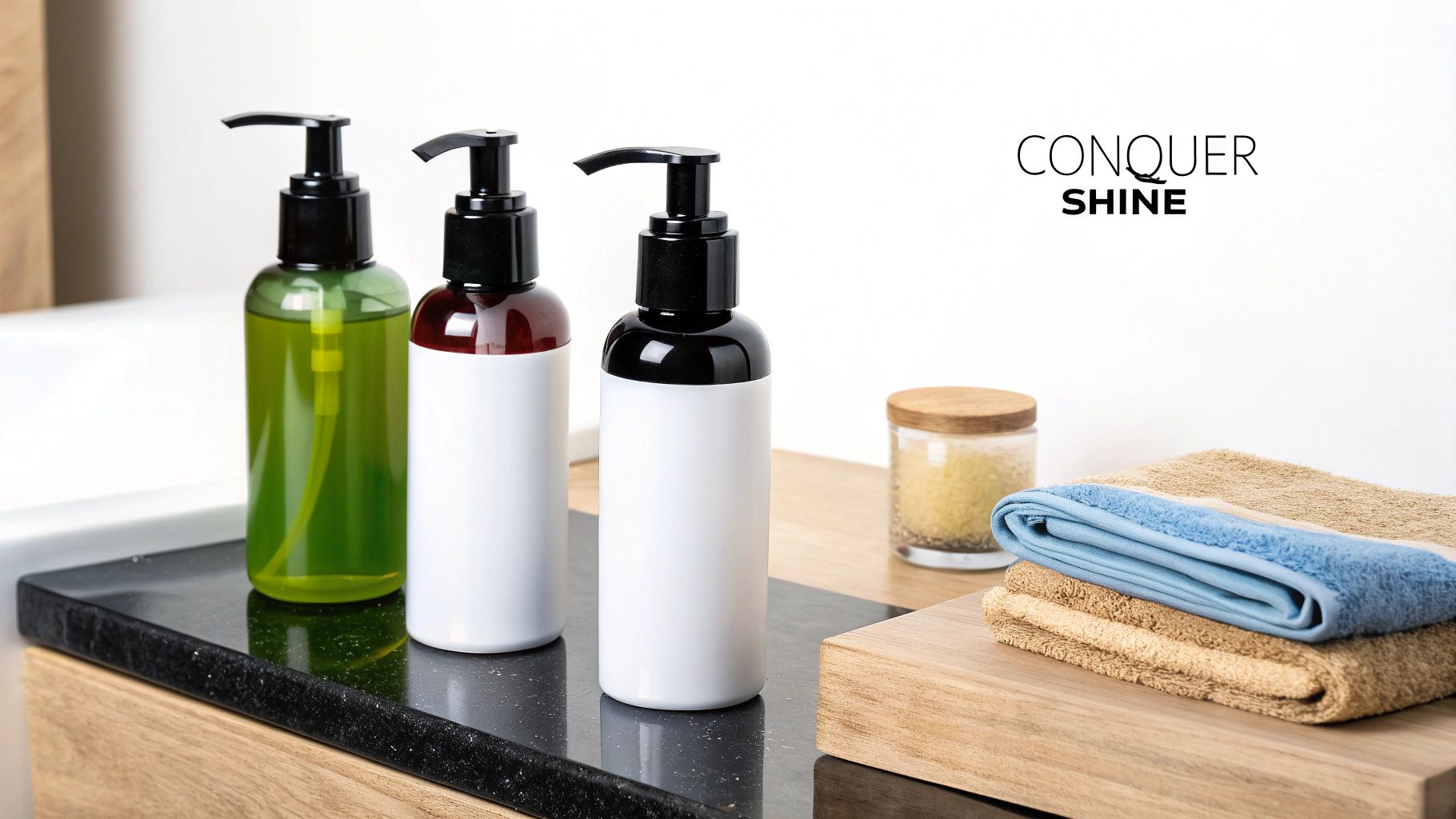
If you're an informed skincare enthusiast battling persistent shine, enlarged pores, and that frustrating midday oil slick, you've arrived at the right resource. Oily skin often leads to a counterproductive cycle of using harsh, stripping products that compromise the skin barrier and trigger even more sebum production. This is where the advanced, barrier-focused philosophy of Korean skincare offers a scientifically sound-and far more effective-alternative.
The K-Beauty Philosophy for Oily Skin
Unlike many Western approaches that focus on aggressively drying out oily skin, K-Beauty is centered on achieving homeostasis, or balance. The goal is not to eradicate oil; your skin’s natural sebum is crucial for a healthy, resilient barrier. Instead, the objective is to regulate its production effectively.
Korean cleansers are meticulously formulated to purify the skin deeply yet gently, respecting its natural pH and moisture levels. They cleanse without inducing chaos in your skin's ecosystem.
This guide is more than a simple product roundup. It’s an in-depth resource designed to empower you with the knowledge to finally manage your oily skin. At Mirai Skin, our mission is to provide not only authentic, results-driven products but also the expert-level education to help you achieve your skincare goals.
We’ll explore how to select the ideal cleanser by understanding:
- Cleanser Formats: From lightweight cleansing oils to low-pH foams, we’ll analyze which texture and formulation best suit your needs.
- Key Actives: Learn to identify the powerhouse ingredients that target excess sebum and, just as importantly, which ones to avoid.
- Routine Integration: Discover how to incorporate your new cleanser into a comprehensive routine for maximum efficacy without over-cleansing.
The optimal skincare routine is one that supports your skin’s natural barrier function while addressing core concerns with targeted actives. A truly effective routine is built on three foundational pillars: cleanse, treat, and protect.
What to Expect from This Guide
By the end of this article, you won't just know which Korean cleansers are ideal for oily skin; you'll understand why they work from a formulation perspective and how to select the perfect one for your unique skin concerns. We’ll delve into the science behind K-Beauty formulations, demystify popular ingredients, and provide practical strategies to help you build a routine that delivers a balanced, clear, and healthy glow.
Get ready to conquer shine with authority.
Understanding Oily Skin and the Double Cleanse Method
Before selecting the right cleanser, it’s critical to understand the "why" behind oily skin. That constant shine is caused by sebum, a lipid mixture your sebaceous glands produce. Sebum is essential-it maintains a healthy skin barrier and provides hydration-but an overproduction leads to clogged pores (comedones), breakouts, and a perpetually greasy finish.
This overproduction is often multifactorial.
- Genetics: Your DNA is a primary determinant of your skin type, including the baseline activity of your sebaceous glands.
- Hormonal Fluctuations: Androgens, in particular, can stimulate sebum production, leading to increased oiliness during puberty, menstruation, or periods of stress.
- Environmental Triggers: High humidity and heat can increase sebum excretion rates, making skin appear oilier in warmer climates or seasons.
The Problem with Harsh Cleansers
Historically, the conventional approach for oily skin involved aggressive cleansers formulated with high-pH surfactants like Sodium Lauryl Sulfate (SLS) or drying alcohols. The logic seemed simple: dry out the oil, solve the problem. Unfortunately, this strategy is fundamentally flawed and often backfires.
When you strip the skin of its natural lipids, you compromise its protective barrier. The skin's response is to enter a state of distress, perceiving dehydration and attack. Its defense mechanism? To ramp up sebum production to compensate. This creates a vicious cycle of being oily, stripping the barrier, and becoming even oilier. K-Beauty offers a much more intelligent, science-backed methodology.
Introducing the Double Cleanse Method
Instead of fighting your skin, the Korean double cleanse method works in harmony with it. This two-step ritual is a cornerstone of K-Beauty and a game-changer for managing oily and acne-prone skin. It provides a thorough cleanse without inducing the irritation that triggers rebound sebum production.
The principle is rooted in basic chemistry: "like dissolves like."
The double cleanse is a gentle yet highly effective technique. It ensures all impurities-both oil-based and water-based-are thoroughly removed, setting the stage for optimal product absorption and a balanced complexion.
The process is broken into two distinct steps targeting different types of impurities.
Step 1: The Oil-Based Cleanser
The first step involves an oil cleanser or a cleansing balm massaged onto dry skin. This dissolves stubborn, oil-based impurities that water-based cleansers struggle to remove. This includes:
- Sunscreen (SPF): Modern sunscreens are formulated for water resistance, meaning they require an oil-based solvent for proper removal.
- Makeup: Long-wear foundations, concealers, and other cosmetic products are designed to adhere to the skin and are best broken down by an oil.
- Excess Sebum & Pollutants: The cleansing oil effortlessly dissolves oxidized sebum and particulate matter clogging your pores.
Step 2: The Water-Based Cleanser
After rinsing the oil cleanser, the second step is a water-based formula, typically a gel or foam. This step removes any remaining oily residue, along with water-based impurities like sweat and dirt. The result is a truly deep cleanse that leaves your skin feeling refreshed and balanced-never tight or stripped.
By adopting this method, you effectively break the cycle of over-stripping and over-production of oil. It's the foundational technique for anyone searching for the best Korean cleansers for oily skin because it creates the perfect clean canvas for your treatment products to penetrate effectively.
Finding Your Perfect Match in Korean Cleansers
Navigating the world of Korean skincare can be overwhelming, but understanding the different cleanser formats is the first step to making an informed choice. For oily skin, the goal is intelligent sebum management, not total annihilation.
This is precisely why cleansers are a critical component of any routine. In the global market analysis of oily skin control products, cleansers hold the dominant 38.1% market share. Consumers recognize that a well-formulated cleanser is the foundational step for achieving a fresh, balanced complexion without compromising skin health. With the market projected to reach USD 10.3 billion by 2034, it's clear that sophisticated cleansing solutions are in high demand.
The First Cleanse: Oil and Balm Cleansers
The chemical principle "like dissolves like" is the science behind the efficacy of a first cleanse. For oily skin types, an oil-based cleanser is a non-negotiable step in the evening. These formulations are specifically engineered to break down and lift away stubborn, lipophilic (oil-based) impurities.
Think of your oil cleanser as a magnet for sebum, makeup, and sunscreen. When massaged onto dry skin, it gently solubilizes hardened oil and debris within the pores, allowing them to be rinsed away without friction or irritation.
- Oil Cleansers: Typically liquid and lightweight, these are ideal for efficiently dissolving daily SPF and environmental pollutants.
- Cleansing Balms: These have a solid, sorbet-like texture that transforms into a silky oil upon application. They offer a luxurious cleansing experience and are exceptionally effective at removing heavy, waterproof makeup.
The Second Cleanse: Gel and Foam Cleansers
After the oil cleanser has dissolved oil-based impurities, a water-based cleanser removes any remaining residue, sweat, and dirt. This second step is vital for achieving a truly clean slate, preparing the skin for subsequent treatment steps.
For oily skin, it is crucial to select a formula with a low pH, ideally around 5.5, which aligns with the skin's natural acidity. High-pH, alkaline cleansers that create a "squeaky clean" feeling disrupt the delicate skin barrier (acid mantle), which can paradoxically trigger increased sebum production.
A low-pH, water-based cleanser works in synergy with your skin's natural defenses. It cleanses effectively while ensuring the acid mantle remains healthy and intact, which is critical for barrier function and overall skin health.
Here’s a simple decision tree to help you determine which cleanser type might be the best starting point for you.
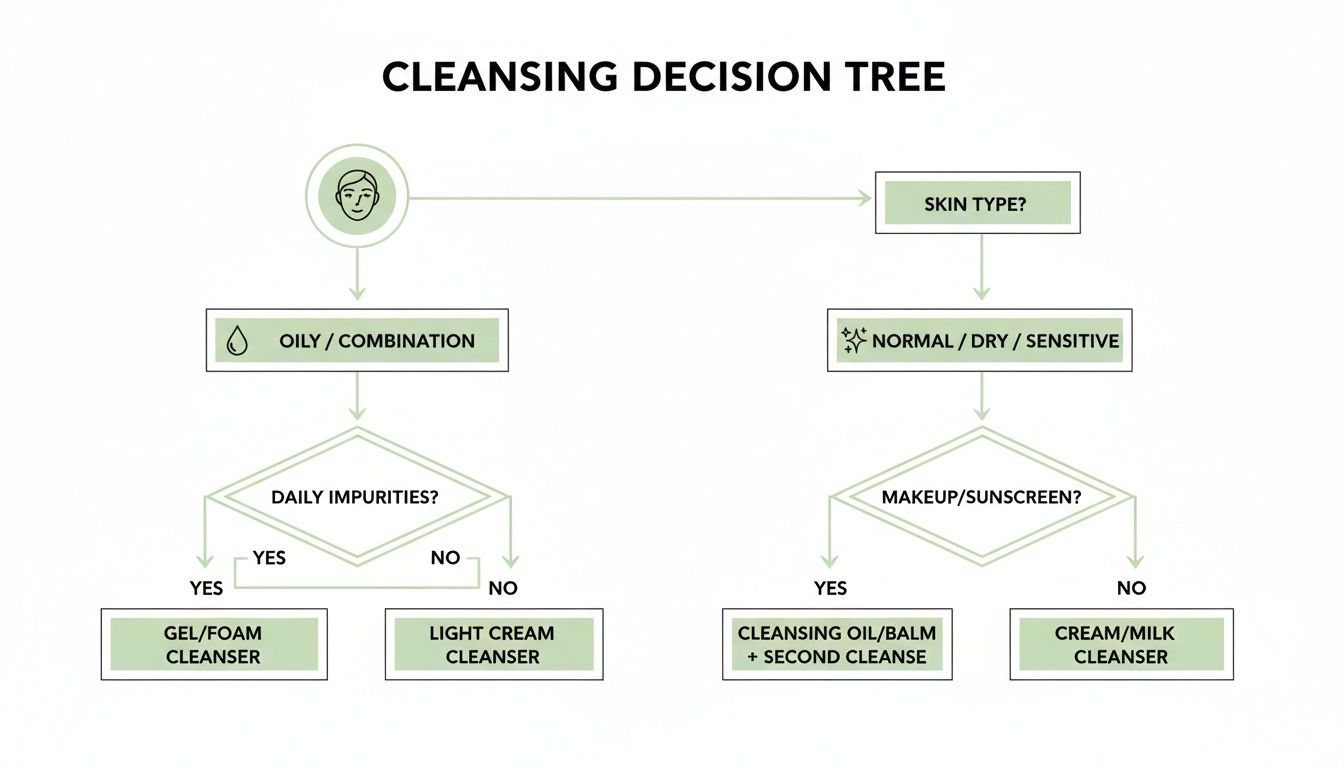
This visual guide illustrates that for oily or combination skin, the key is selecting the appropriate tool for the job-whether it’s a thorough double cleanse after a full day or a gentle refresh in the morning.
Choosing Your Cleanser for the Occasion
An advanced approach involves building a small "cleansing wardrobe" to address your skin's fluctuating needs.
- For Heavy Makeup or Sunscreen Days: A cleansing balm or oil is essential. Nothing dissolves long-wear formulas more effectively without mechanical scrubbing. Always follow with a gentle foam or gel cleanser.
- For a Quick Morning Refresh: A single cleanse with a low-pH gel cleanser is typically sufficient. It removes overnight sebum buildup and prepares your skin for your morning routine without over-stripping.
- For Post-Workout Cleansing: A refreshing foam cleanser is perfect for quickly removing sweat and bacteria. This helps prevent the clogged pores that can lead to post-exercise breakouts.
By understanding these different cleanser formats, you can move beyond a one-size-fits-all approach and build a flexible, effective cleansing strategy that keeps your oily skin balanced, clear, and healthy.
Key Ingredients That Target Oily and Acne-Prone Skin
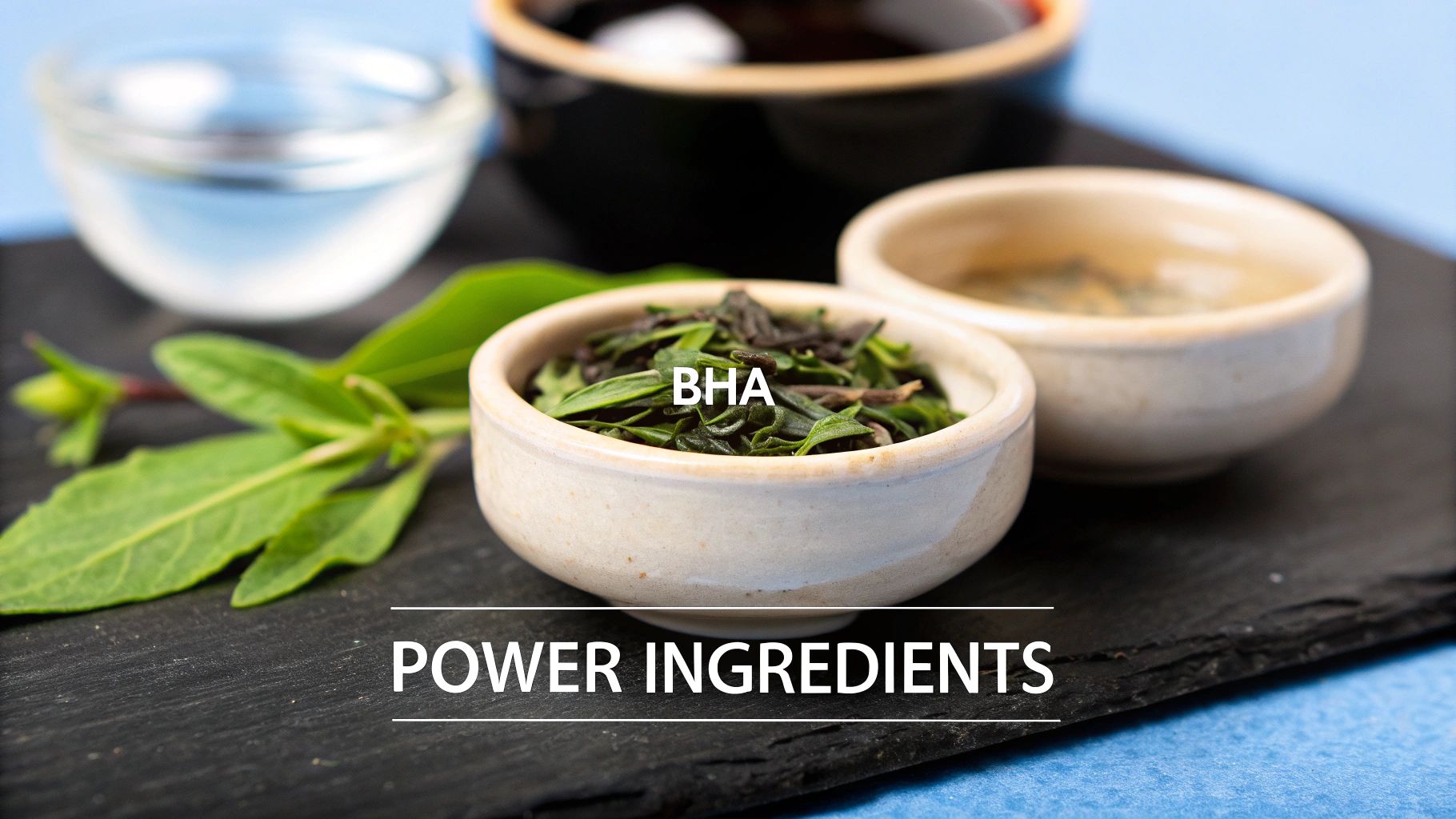
Selecting the right Korean cleanser requires moving beyond texture and format to become an ingredient-savvy consumer. The INCI list is what truly distinguishes a basic cleanser from a holy grail product. Let's decode the labels and spotlight the hero ingredients that will help you manage excess sebum and achieve clarity.
Korean brands are at the forefront of this ingredient-focused approach, which is a key reason they are shaping the global trends in oily skin control products. This market is projected to grow from USD 5,002.4 million in 2025 to USD 11,601.2 million by 2035, with cleansers being the dominant category.
This is not just marketing hype. Formulations with active ingredients like Salicylic Acid have been clinically shown to reduce sebum by 28-45% after a single application.
The Pore-Purifying Powerhouses
For oily skin, the primary objectives are to clear pore congestion, regulate sebum, and mitigate inflammation. These ingredients are the gold standard for achieving those goals.
-
Salicylic Acid (BHA): As an oil-soluble beta-hydroxy acid, Salicylic Acid can penetrate deep into the pores to dissolve the stubborn mixture of sebum and dead skin cells that leads to comedones and breakouts.
-
Tea Tree Oil: This natural extract is renowned for its potent antimicrobial and anti-inflammatory properties. It helps reduce populations of C. acnes bacteria on the skin’s surface, making it an excellent choice for blemish-prone individuals.
-
Green Tea Extract (Camellia Sinensis): A multifunctional antioxidant powerhouse, green tea helps protect the skin from environmental aggressors. It also contains polyphenols that have been shown to help modulate sebum production and soothe inflammation.
By selecting cleansers formulated with ingredients that clarify and calm, you are supporting your skin's natural equilibrium. This helps prevent the rebound sebum production often caused by harsh, stripping products.
The Sebum-Balancing Soothers
Beyond deep cleansing, the right ingredients can soothe irritation and help regulate oil production over time for a healthier, more balanced complexion. Look for these calming and regulating agents.
-
Niacinamide (Vitamin B3): An all-star ingredient for oily skin, Niacinamide is clinically proven to help regulate sebum production, visibly minimize the appearance of enlarged pores, and improve overall skin texture.
-
Centella Asiatica (Cica): Also known as "tiger grass," this botanical extract is a hero soothing ingredient in Korean skincare. Cica is exceptional at calming inflammation and redness, making it ideal for skin that is both oily and sensitized or irritated from acne.
-
Witch Hazel: As a natural astringent, witch hazel can help temporarily tighten the appearance of pores and remove excess oil from the skin's surface, providing a cleaner, more matte finish.
To simplify your search, here's a quick-reference table summarizing the best ingredients to look for and their functions.
Key Ingredients for Oily Skin Cleansers
| Ingredient | Primary Benefit for Oily Skin | Mechanism of Action |
|---|---|---|
| Salicylic Acid (BHA) | Deep Pore Decongestion | Oil-soluble; exfoliates within the pore lining to dissolve sebum and keratin plugs. |
| Tea Tree Oil | Antimicrobial & Anti-inflammatory | Reduces acne-causing bacteria and calms associated inflammation. |
| Green Tea Extract | Antioxidant & Sebum Regulation | Protects from oxidative stress and helps balance oil production. |
| Niacinamide | Sebum Regulation & Pore Refining | Modulates sebum excretion and improves skin barrier function. |
| Centella Asiatica (Cica) | Soothing & Calming | Reduces redness and inflammation, ideal for compromised or irritated skin. |
| Witch Hazel | Astringent & Mattifying | Temporarily tightens pores and helps control surface oil. |
Using this as a guide during product selection will empower you to quickly identify cleansers formulated for your specific needs.
Ingredients to Approach with Caution
Just as crucial as knowing what to seek out is understanding what to avoid. Certain common ingredients can compromise your skin barrier, leading to irritation and a cycle of increased oiliness.
-
Harsh Sulfates (SLS/SLES): Sodium Lauryl Sulfate and Sodium Laureth Sulfate are potent surfactants that create a satisfying lather but are notoriously stripping. They can deplete your skin’s natural lipids, leaving it dry, irritated, and vulnerable.
-
Drying Alcohols (SD Alcohol, Denatured Alcohol): These provide an immediate mattifying effect but can be severely dehydrating. Over time, they impair barrier function and can trigger a compensatory increase in sebum production.
-
Certain Comedogenic Oils: While many oils are beneficial, some are known to be comedogenic, meaning they have a high likelihood of clogging pores. Heavy oils like coconut oil or cocoa butter in a cleanser formulation might be too occlusive for breakout-prone skin.
By learning to recognize these key players on an ingredient list, you can confidently select a cleanser that works in harmony with your skin, paving the way for a balanced, clear, and healthy complexion.
How to Build Your Ideal Cleansing Routine
Identifying the right ingredients is the first step. The next is integrating them into a daily ritual that yields consistent results. Building the right cleansing routine is not about rigid rules, but about responding to your skin's daily needs. Let's outline how to create a sustainable habit that keeps your oily skin clear, balanced, and healthy.
The right routine is the cornerstone of effective skincare, a principle deeply embedded in K-beauty. In 2024, the Asia-Pacific region, driven largely by Korean innovation, commanded 36.45% of the global facial cleanser market. With South Korea’s cosmetics exports reaching USD 9.8 billion last year-and cleansers comprising a significant 22% of that-the global demand for these advanced formulations is undeniable. The innovation behind the best Korean cleansers for oily skin is a major catalyst for this growth. For a deeper dive, you can explore the facial cleansers and toners market trends on Mordor Intelligence.
Morning Cleanse vs. Evening Cleanse
A common question among skincare enthusiasts is whether a double cleanse is necessary twice daily. The expert consensus is: likely not. The optimal routine adapts to your skin's exposure.
-
Your Morning Routine (AM): Overnight, your skin is in a state of regeneration, not accumulating environmental grime, makeup, or SPF. A single, gentle cleanse with a low-pH gel or foam is sufficient to remove excess sebum and residual nighttime products. This creates a fresh canvas for your morning serums, moisturizer, and sunscreen.
-
Your Evening Routine (PM): This is when the double cleanse is non-negotiable. After a full day, your skin is coated with pollutants, makeup, and layers of sunscreen. An oil-based cleanser is the first critical step to dissolve these lipophilic impurities. Following up with your water-based cleanser ensures every last trace of residue is removed, preventing pore congestion and breakouts.
Your cleansing routine should be strategic: the morning is a gentle refresh, while the evening is a thorough decontamination. This tailored approach respects your skin's barrier and prevents over-stripping.
Mastering Your Cleansing Technique
The method of cleansing is as important as the product. Rushing or using excessive friction can cause irritation, undermining the benefits of your chosen cleanser.
Follow these critical steps for optimal results:
- Use Lukewarm Water: Hot water can strip the skin’s protective lipids, triggering rebound sebum production. Cold water is less effective at emulsifying cleansers and dissolving impurities. Lukewarm water is the ideal temperature for balanced cleansing.
- Massage Gently: Use your fingertips to work the cleanser into your skin with gentle, circular motions for approximately 60 seconds. This allows the active ingredients to work effectively and stimulates microcirculation.
- Pat, Don’t Rub: After rinsing, gently pat your face dry with a clean, soft towel. Aggressive rubbing can cause micro-abrasions and irritation, particularly for sensitive or acne-prone skin.
Common Cleansing Mistakes to Avoid
Even with superior products, common missteps can sabotage your results. Ensure you are not falling into these traps.
- Over-Cleansing: Washing more than twice a day or using harsh, high-pH cleansers can lead to a compromised skin barrier. When the barrier is damaged, it experiences increased transepidermal water loss (TEWL), often prompting the skin to overproduce oil to compensate.
- Skipping the PM Cleanse: This is a critical error. Sleeping with makeup, sunscreen, and daily pollutants on your skin is a direct cause of clogged pores, dullness, and inflammatory breakouts.
- Forgetting to Moisturize Immediately: Timing is crucial. Apply your hydrating toner, serums, and moisturizer within 60 seconds of patting your skin dry. Damp skin has increased permeability, allowing for more effective product absorption and sealing in hydration.
Your Korean Cleanser Questions Answered
Navigating K-Beauty can be complex, especially when targeting a specific concern like oily skin. We've compiled answers to the most common questions we receive from knowledgeable skincare users to help you build your routine with confidence.
Can I Use an Oil Cleanser If I Have Oily Skin?
Absolutely. This is a common misconception that needs to be debunked. The principle of "like dissolves like" is fundamental here.
An oil-based cleanser is the most effective tool for dissolving other oils, including stubborn makeup, water-resistant sunscreen, and the excess sebum produced by your skin. A well-formulated Korean oil cleanser contains emulsifiers that allow it to turn milky and rinse away completely with water, taking all dissolved impurities with it without leaving a greasy residue or clogging pores. For oily skin types, it is a game-changing first step in an evening routine.
How Often Should I Exfoliate While Cleansing?
Exfoliation is crucial for oily skin, but moderation is key to prevent barrier impairment.
If your daily cleanser contains a gentle exfoliating acid, such as a low concentration of Salicylic Acid (BHA), this may be sufficient for daily maintenance. If you use a separate, higher-strength exfoliating treatment (e.g., a weekly mask or peel), opt for a simple, non-exfoliating cleanser on those days. Over-exfoliating can damage the skin barrier, leading to irritation, sensitivity, and a paradoxical increase in oil production. Pay attention to your skin's feedback; redness or tightness are signs to reduce exfoliation frequency.
What’s the Ideal Cleanser pH for Oily Skin?
This is a critical formulation detail. The optimal pH for a cleanser, especially for oily skin, is slightly acidic-between pH 4.5 and 6.0. Your skin’s natural protective barrier, the acid mantle, maintains a pH of around 5.5.
Using a cleanser within this low-pH range respects and supports this natural barrier. Harsh, alkaline cleansers (high pH) strip the acid mantle, leaving the skin vulnerable to bacteria and dehydration. This disruption often triggers a compensatory response, leading to increased sebum production as the skin attempts to repair itself.
A low-pH cleanser is not a preference; it is a non-negotiable for maintaining a balanced, healthy complexion. It works synergistically with your skin's biology to cleanse effectively while preserving barrier integrity-a core principle of the K-Beauty philosophy.
When Should I See a Dermatologist?
A well-curated skincare routine can effectively manage oily skin and mild to moderate acne. However, professional intervention is sometimes necessary. Consider scheduling an appointment with a dermatologist if you experience:
- Persistent, Inflammatory Acne: Deep, painful cystic or nodular acne that does not respond to over-the-counter treatments.
- Sudden, Severe Changes: An abrupt and significant increase in oiliness or severe breakouts without an obvious cause.
- Lack of Improvement: If you have been consistent with a targeted routine for several months without seeing desired results.
A dermatologist can provide prescription-strength topicals, oral medications, and a personalized treatment plan that addresses the underlying causes of your skin concerns.
Ready to build your perfect cleansing routine? Explore the curated selection of authentic K-Beauty cleansers at Mirai Skin and find your ideal match for a balanced, clear complexion. Discover your new holy grail cleanser today at https://miari-skin.com.