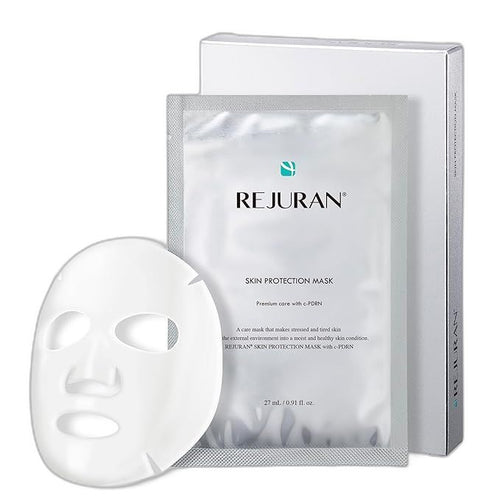
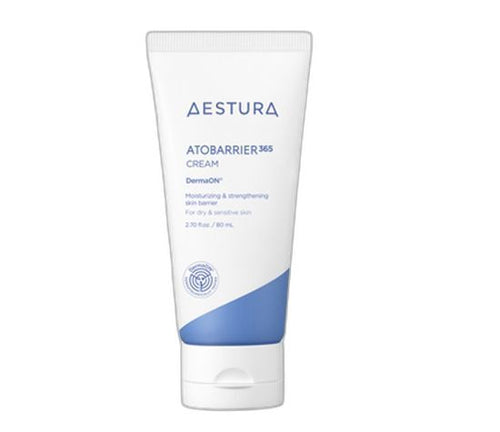
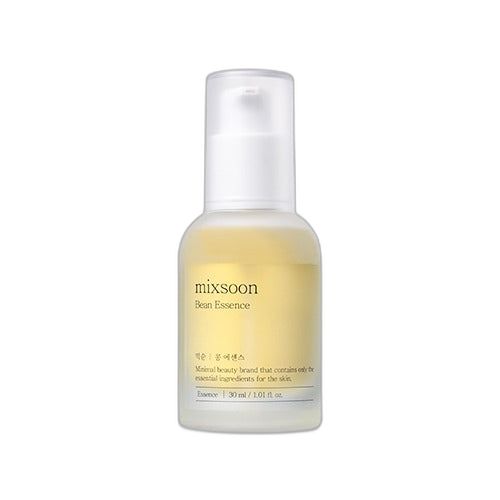
You've built a thoughtful routine. You know which essence calms your skin, which moisturizer seals everything in, and which serum gives you that fresh, glass-skin bounce. Then two stronger actives end up side by side on your shelf: lactic acid and retinol.
That's usually the moment hesitation kicks in. One product promises smoother, brighter skin. The other has a reputation for tackling fine lines, uneven texture, and dullness. But every time you search whether you can use them together, the advice swings between “never mix them” and “it's totally fine.” No wonder people get stuck.
The approach is more nuanced. A smart lactic acid retinol routine isn't about chasing intensity. It's about choosing the right format, the right pace, and the right recovery steps so your skin gets the benefit without tipping into irritation.
Leveling Up Your K-Beauty Routine
If you're deep into K-Beauty already, this combination probably feels like the next frontier. You've gone beyond basic cleansing and moisturizing. You understand that ingredients do different jobs, and now you want to know whether pairing two renewal-focused actives can help with texture, post-acne marks, dullness, or early signs of aging.
That curiosity makes sense. Lactic acid treatments are already a major global skincare category, with the market valued at $2.8 billion in 2025, while Asia Pacific was identified as the fastest-growing region in the same market assessment, showing strong demand for exfoliating products in K-Beauty and beyond according to Dataintelo's lactic acid treatment products market report.

Why this combo feels confusing
It's common to run into the same three questions:
- Can I use both at all if my skin isn't highly resilient?
- Do I need to alternate them or can they fit into the same day?
- How do I avoid wrecking my barrier while still seeing visible progress?
K-Beauty tends to answer those questions more gently than aggressive Western “peel plus retinoid” routines. The usual focus isn't “How much can your skin tolerate?” It's “How can your skin stay calm while improving?”
Practical rule: Stronger isn't automatically better. Better timing and better barrier support usually beat brute force.
The K-Beauty mindset that matters here
Think of this as routine design, not ingredient stacking. In a balanced Korean skincare approach, actives sit inside a larger system: hydrating layers, soothing ingredients, recovery nights, and consistent sunscreen. That's why two people can use the same actives and have completely different experiences.
If you've been nervous about lactic acid retinol pairings, that caution is healthy. You don't need to avoid the duo forever. You just need to understand what each ingredient is doing before you decide how close together they should be used.
Meet the Power Duo Lactic Acid and Retinol
Lactic acid and retinol both help skin renew itself, but they work in different places and in different ways. That's where readers often get mixed up. They hear “exfoliation” and “cell turnover” used almost interchangeably, even though those aren't the same process.
Lactic acid as the surface polisher
Lactic acid is an alpha-hydroxy acid, or AHA. It works on the skin's surface by weakening the bonds between corneocytes in the stratum corneum, which helps loosen and remove built-up dead skin cells, as described by Medik8's explanation of using lactic acid with retinol.
In plain language, lactic acid acts like a surface polisher. It helps with the things you can often see and feel fairly quickly:
- Rough texture
- Dullness
- Flaky buildup
- Uneven-looking tone
Because it works at the surface, many people like it when their skin looks tired, feels bumpy, or seems like products are just sitting on top instead of sinking in well.

Retinol as the deep renovator
Retinol does a different job. It's a Vitamin A derivative that increases epidermal cell turnover from within. Instead of mainly loosening dead surface cells, it encourages skin to move through its renewal cycle more efficiently.
That's why I think of retinol as a deep renovator. It tends to be chosen for concerns like:
| Ingredient | Main role | Where it works most obviously |
|---|---|---|
| Lactic acid | Surface exfoliation | Outer layer texture and radiance |
| Retinol | Cell turnover support | Overall renewal and aging-related concerns |
Retinol often takes more patience. It's not always the ingredient that gives an overnight glow. It's the ingredient people stick with when they want a more refined, smoother-looking complexion over time.
Why they attract the same user
These two ingredients appeal to the same skincare personality. If you're trying to improve texture, brightness, and visible signs of aging, it's easy to see why you'd want both. One helps clear the path on the surface. The other pushes renewal from deeper within the cycle of the skin.
Lactic acid and retinol aren't duplicates. They're neighbors with different jobs.
That's exactly why the pairing can be useful. It's also why the pairing can get messy if you use them without a plan.
The Science of Synergy and Sensitivity
The appeal of lactic acid retinol routines is simple. If lactic acid smooths the surface and retinol drives renewal, using both can sound like a smart way to cover more ground. In theory, that can mean brighter, more refined-looking skin with a more even feel and appearance.
Some expert guidance goes a step further and notes that lactic acid may enhance retinoid penetration, which is why this combination keeps coming up in advanced routines. But that potential upside comes with the main technical tradeoff: additive efficacy versus higher irritation risk, especially for sensitive skin, as discussed by Biossance's layering retinol guidance.
What synergy looks like in real life
Here's the easy way to picture it. If dead skin is sitting on the surface, retinol may not feel like it's performing at its best. Gentle exfoliation can leave skin smoother and more receptive. That's the attractive side of the pairing.
The mistake is assuming that “more active” means “more results.” Skin doesn't work like a gym program where doubling your effort doubles your gains. If your barrier gets irritated, progress often slows down because you have to stop everything and repair first.
Why irritation shows up so fast
Both ingredients encourage turnover. Used carelessly, they can push your skin past what it can comfortably handle. That's when people start to notice:
- Redness that lingers
- Dry patches around the mouth or nose
- Tightness after cleansing
- Stinging when basic products are applied
- Peeling that feels raw instead of smooth
That last point matters. Not all peeling means your routine is “working.” Sometimes it means your skin is asking for less.
Your barrier is the skin's shock absorber. When it's strained, even gentle products can start to sting.
The K-Beauty lens on this tradeoff
K-Beauty philosophy is usually much more barrier-conscious than trend-driven routines built around maximum-strength actives. That means the goal isn't to prove your skin can tolerate both ingredients at once. The goal is to create a rhythm where exfoliation and renewal happen without constant inflammation.
This is why blanket rules fall short. “Never combine them” is too rigid for every skin type. “Go ahead and layer them” is too reckless for general advice. The safer answer sits in the middle: combination is possible, but only when your routine is structured around tolerance, spacing, and recovery.
How to Safely Combine Lactic Acid and Retinol
There isn't one universal method that works for everyone. The right approach depends on how experienced your skin is with actives, how reactive your barrier tends to be, and whether you're dealing with dryness, sensitivity, or acne-related congestion at the same time.
A helpful starting point is this: separating the actives is usually safest. That said, nuanced guidance also suggests lactic acid may support retinoid penetration, and a 2015 clinical study found that a regimen using L-lactic acid and retinoids produced 72.8% global improvement at Week 8 in an 8-week trial of 25 women with a mean age of 54.1 ± 8.9 years, with no adverse events or tolerability issues reported, according to the PubMed Central study on a three-product anti-aging regimen.
To make the options easier to understand, think in terms of three levels.

Alternate evenings
This is the method I recommend most often, especially if you're newer to actives or your skin gets irritated easily.
Use lactic acid one night. Use retinol the next night. Then give your skin recovery-focused nights with only hydrating and barrier-supportive products before repeating. This creates enough distance that each active can do its job without competing for your skin's attention.
Why it works:
- Your barrier gets breathing room
- You can tell which product is causing trouble
- You reduce the odds of over-exfoliation
If you want a calm, K-Beauty-friendly approach, start here.
Buffer method
Some people don't need total separation, but they do need the actives softened. That's where buffering helps. Apply a bland, hydrating moisturizer first, then use your active after. The moisturizer acts like a cushion and can reduce the intensity of the active's initial hit.
This is especially useful if retinol tends to make you dry or if lactic acid leaves you slightly flushed. It won't make a strong formula magically gentle, but it can make a moderate formula easier to live with.
A simple version looks like this:
- Cleanse gently
- Apply a hydrating serum or light moisturizer
- Use retinol or lactic acid, not both in full strength
- Seal with moisturizer
Here's a visual overview of beginner-to-advanced strategies.
Same-night layering for advanced users
This is the method that gets the most attention online and causes the most problems when attempted too soon.
Same-night layering should be reserved for people who already tolerate both ingredients well on their own. In that setup, a gentle lactic acid product goes on first, then after a waiting period, retinol follows. The idea is controlled synergy. The risk is controlled irritation becoming uncontrolled irritation very quickly.
If you're asking whether your skin is “ready” for same-night layering, it probably isn't yet.
If you try this at all, keep the rest of the routine plain. No extra exfoliants. No strong scrubs. No “just one more” active because your skin seemed fine last week.
Choosing Your Products and Concentrations
This is where smart skincare shoppers make or break the routine. The product category matters, but the formula matters just as much. A well-balanced cream with soothing support can feel very different from a sharper, more stripping serum, even if both sit in the same ingredient family.
The biggest mistake I see is buying the strongest lactic acid and the strongest retinol at the same time. That usually comes from impatience, not strategy.

What to look for first
When choosing products for a lactic acid retinol routine, prioritize these features:
- Lower-strength entry points so your skin can adjust gradually
- Creamy or cushioned textures rather than harsh-feeling formulas
- Supportive ingredients like ceramides, panthenol, hyaluronic acid, or calming plant extracts
- Clear usage instructions from the brand, especially for nighttime application and frequency
Patch testing matters here. If your skin reacts, you want to know before applying a new active all over your face.
A practical way to think about strength
You don't need the highest percentage to get started. In fact, beginners usually do better when they choose one active to “lead” and let the other stay mild. If your main concern is texture and dullness, lactic acid can be the more regular player while retinol comes in gradually. If your focus is lines or long-term renewal, retinol can take center stage while lactic acid stays occasional.
A simple framework:
| Skin situation | Better starting point |
|---|---|
| Dry or reactive skin | Mild lactic acid less often, buffered retinol even less often |
| Balanced skin with some experience | Alternate both with recovery nights |
| Already used both successfully | Consider closer scheduling, but keep formulas gentle |
Don't shop by percentage alone
A common point of confusion is concentration. People assume the percentage tells the whole story. It doesn't. The overall formula, texture, delivery system, and what else is in the product all affect how it behaves on your skin.
That's very aligned with K-Beauty thinking. Korean skincare often puts a lot of attention on wearability. A routine only works if your skin can stick with it.
Shopping filter: Choose the product you can use consistently without fear, not the one that looks most “powerful” on paper.
If you've never used either ingredient before, don't introduce both in the same week. Start one, settle in, then add the second only after your skin is calm and predictable.
The K-Beauty Post-Care and Troubleshooting Routine
The best lactic acid retinol routine doesn't end with the active. It's shaped by what you do afterward and on your off days. This is where K-Beauty really shines, because recovery isn't treated like an afterthought.
What to use after active nights
After lactic acid or retinol, keep the rest of the routine comforting and simple. Look for ingredients that support hydration and barrier function, such as:
- Snail mucin for lightweight hydration and a cushioned feel
- Centella asiatica to calm the look of redness
- Ceramides to support the barrier
- Panthenol to help skin hold onto moisture
A good post-care routine usually feels boring in the best way. Gentle cleanser, soothing serum, moisturizer. That's enough.
How to know when your skin needs a reset
Stop actives for several days if you notice persistent irritation. Warning signs include ongoing redness, stinging from products that used to feel fine, unusual tightness, or peeling that leaves the skin tender.
When that happens, go back to basics:
- Use a gentle cleanser
- Apply a barrier-focused serum or essence
- Finish with a simple moisturizer
- Wear sunscreen daily
Don't try to “push through” irritation. Recovery first always gives better long-term results than forcing a damaged barrier to tolerate more.
Your K-Beauty Lactic Acid and Retinol FAQ
Can I still use Vitamin C
Yes, many people can. The easiest way to keep things organized is to let Vitamin C live in your morning routine and reserve retinol for night. If you also use lactic acid, avoid turning every routine into an active-heavy stack. Keep one part of the day simpler.
What about BHA, PHA, or scrubs
If you're building a lactic acid retinol routine, pause the extra exfoliants at first. Layering multiple resurfacing products is one of the fastest ways to get irritation and confusion at the same time. Once your skin is settled, you can decide whether you even need those extras.
Where do snail mucin and cica fit
They fit beautifully here. Use them after your active if your skin tolerates layering well, and use them generously on recovery nights. They won't cancel out your actives. They help make the routine more livable.
Can I use lactic acid and retinol on the same day
Sometimes, yes. But “same day” doesn't always mean “same routine.” Many people do better separating them by time of day or by alternating nights. If your skin is sensitive, that's usually the wiser choice.
Who should be most careful
Be especially cautious if your skin is naturally reactive, easily dehydrated, or already stressed from too many actives. The combination isn't automatically off-limits, but your margin for error is smaller, so slow pacing matters more.
If you're ready to build a smarter routine with authentic Korean skincare, Mirai skin is a strong place to explore carefully selected K-Beauty products from verified Korean distributors. Whether you're looking for barrier-supportive basics, beginner-friendly actives, or soothing recovery layers to pair with a lactic acid retinol routine, their selection can help you choose with more confidence.