You're probably here because your usual K-beauty routine suddenly feels like a chemistry exam. The toner you loved before pregnancy now makes you pause. The brightening serum that used to be automatic now raises questions. And somewhere between searching for “pregnancy-safe skincare” and decoding ingredient lists, it starts to feel like you have to choose between safety and good skin.
You don't.
A smart Korean skincare pregnancy safe routine usually isn't about abandoning skincare. It's about changing your priorities. During pregnancy, skin often becomes more reactive, more pigment-prone, and less forgiving of aggressive formulas. That's where Korean skincare can fit beautifully, because the category is already rich in hydration layers, barrier-supportive textures, and gentle daily-use formulas. The key is to stop thinking by country of origin and start thinking by ingredient, format, and exposure.
Your Pregnancy Glow Up Why Your Skin Needs a New Routine
Pregnancy can make skin look luminous one week and completely confused the next. Some people get that soft, dewy “glow.” Others get tightness, flushing, clogged pores, or dark patches that seem to appear overnight. All of that can happen within the same routine that used to work perfectly.
That shift matters because pregnancy skin usually doesn't respond well to the usual “push harder” strategy. More exfoliation, more actives, more correction often leads to more irritation.

Why pregnancy skin behaves differently
Think of your skin barrier like a brick wall with mortar between the bricks. When that mortar is healthy, skin holds water well and shrugs off irritation more easily. During pregnancy, that wall can become less stable. Skin may feel drier, sting more easily, or react to products you've used for years.
At the same time, pigment pathways can become more active. That's why melasma, often called the mask of pregnancy, becomes such a common concern. Heat, light exposure, and irritation can all make discoloration harder to control.
Pregnancy skincare works best when you treat skin like it's more sensitive than usual, even if you've never had sensitive skin before.
What usually stops working
A lot of classic “results” routines rely on intensity. That includes strong retinoids, leave-on exfoliating acids, peel pads, and aggressive brightening systems. Pregnancy is usually the wrong season for that mindset.
Instead, adjust your routine around what skin is asking for now:
- Less friction means fewer scrubs, less over-cleansing, and fewer active layers competing at once.
- More hydration means adding water-binding and barrier-repair steps instead of chasing quick resurfacing.
- More consistency means using calming products daily rather than jumping between treatment products.
- Better sun habits matter because pigment can deepen fast when skin is hormonally primed.
A better goal than perfection
The goal during pregnancy isn't flawless skin. It's stable skin. Stable skin is calmer, more comfortable, and easier to support. Once you start from that idea, Korean skincare makes much more sense. Essences, ampoules, gel creams, sleeping masks, and mineral sunscreen all have a clear role when your skin needs cushioning more than correction.
Key Skincare Ingredients to Pause During Pregnancy
When guiding expecting clients, my first rule is simple. Judge the ingredient list, not the front label.
A product can call itself gentle, clean, or natural and still contain ingredients I would put on pause during pregnancy. In K-Beauty, that matters even more because formulas are often layered, multifunctional, and marketed around results like brightening, wrinkle care, or rapid skin renewal. The Korean skincare philosophy of steady barrier support is a great fit for pregnancy. The problem usually is not the category itself. It is the few high-caution actives tucked inside otherwise elegant formulas.
Pregnancy safety discussions usually come back to one question. Is this ingredient likely to stay mostly in the skin, or is there enough absorption or uncertainty that pausing it is the smarter call? A peer-reviewed review in Dermatologic Clinics identifies topical retinoids as a traditional avoid category in pregnancy guidance and notes stronger concern around hydroquinone because of its relatively higher absorption. That same review also reflects guidance summarized by MotherSafe, an NSW-based medicines-in-pregnancy counseling service, which treats most topical skincare as low risk when absorption is limited but advises avoiding tretinoin, hydroquinone, and minoxidil, as discussed in this peer-reviewed pregnancy skincare review.
The red-light list
The ingredients below are the ones I most often ask pregnant clients to set aside. That advice is less about panic and more about reducing avoidable question marks.
Retinoids
This group includes tretinoin, retinol, retinal, retinyl esters, and other vitamin A derivatives. If a client is pregnant, I recommend pausing the entire family instead of trying to sort out which version feels mild enough.
That is especially relevant in Korean skincare because retinoids may appear in products labeled wrinkle care, firming, repair, or intensive ampoule. Sometimes the formula feels cushioning and gentle, which makes it easy to miss what is doing the heavy lifting. The label matters more than the texture.
Hydroquinone
Hydroquinone is one of the clearest ingredients to stop during pregnancy because it is absorbed more readily than many other topical actives. If discoloration or melasma is flaring, this is often the product people want to keep using. I still advise pausing it.
This is a real trade-off. Hydroquinone can be effective for pigment, but pregnancy is not the time to chase the fastest correction. It is the time to keep inflammation low, protect the barrier, and prevent pigment from getting darker with daily sunscreen and gentler brightening options later in the routine.
High-exposure salicylic acid
Salicylic acid needs more nuance. A face wash that rinses off is different from a leave-on exfoliant, a peeling pad, or a concentrated spot treatment used over large areas.
For pregnancy, I tell clients to pause the versions designed to sit on the skin and keep exfoliating. In K-Beauty, that usually means BHA toners, peel pads, pore-refining serums, and strong acne liquids. If a product is built around daily resurfacing, it belongs on the shelf for now.
Strong peel systems
At-home peel kits, intensive acid pads, and “glass skin in one night” treatments are rarely worth the irritation risk during pregnancy. Even when the ingredient itself is not the highest-risk category, the overall formula can still push skin too hard.
Pregnancy skin often behaves like skin with a thinner safety buffer. A treatment that felt manageable before can suddenly trigger redness, stinging, or lingering pigment.
Pregnancy Skincare Ingredients Cheat Sheet Avoid vs. Safe Swap
| Ingredient to Pause | Primary Concern | Safe K-Beauty Alternative |
|---|---|---|
| Retinoids | Historically excluded in pregnancy guidance | Niacinamide serum |
| Hydroquinone | Higher systemic absorption concern | Vitamin C or azelaic acid |
| Leave-on high-exposure salicylic acid | Greater exposure through format and concentration | Low-irritation hydrating toner or azelaic acid serum |
| Strong peel systems | Increased irritation and unnecessary exposure | Barrier-supportive essence or cream |
Practical rule: If a product promises rapid peeling, resurfacing, or strong correction, it usually belongs on the pause shelf until after pregnancy.
Safe Korean Beauty Ingredients to Embrace
An effective pregnancy routine is built on barrier-supportive, low-irritation ingredients, and that is one of Korean skincare's real strengths. K-Beauty formulas often prioritize hydration, skin comfort, and steady barrier repair over aggressive correction. During pregnancy, that philosophy tends to work in your favor.
The goal is not to chase stronger actives. It is to keep skin stable enough to handle hormonal swings, flushing, dryness, and pigment changes without triggering more inflammation.

Your core support ingredients
If retinoids are the high-powered tools in a routine, these are the steady daily basics that keep skin functioning well. They usually give better results in pregnancy because they support the skin first instead of constantly pushing it.
- Niacinamide helps strengthen the barrier, reduce visible redness, and improve uneven tone. In practice, it is one of the easiest ingredients to keep because it does several jobs at once and usually layers well with other gentle products.
- Vitamin C can help with dullness and the patchy discoloration many clients notice during pregnancy. I usually steer clients toward gentle, well-formulated serums instead of sharp, highly acidic brightening products that sting on contact.
- Azelaic acid is one of the most useful options for pregnancy acne, redness, and post-breakout marks. It is often recommended by obstetric and dermatology guidance as a topical option worth discussing with your clinician.
- Hyaluronic acid and sodium hyaluronate help bind water to the skin. That matters when skin suddenly feels tight, dehydrated, or “thirsty” no matter how much cream you apply.
- Panthenol is excellent for skin that feels reactive, overwashed, or fragile. It works like a comfort layer for a stressed barrier.
K-beauty favorites people ask about
Some of the most common K-Beauty ingredients are less about correction and more about keeping skin calm, hydrated, and resilient. That is why they often fit pregnancy routines so well.
Centella Asiatica and cica blends
Centella is a smart choice for skin that flushes easily or starts reacting to products it used to tolerate. In Korean formulas, it often shows up with madecassoside, asiaticoside, or other soothing support ingredients. I like it most in essences, ampoules, and creams meant to reduce that hot, irritated feeling.
Snail mucin
Snail mucin is usually used for hydration, skin conditioning, and recovery support. It is not an aggressive active. For many pregnant clients, that makes it easier to use than exfoliating toners or stronger treatment serums. If the texture feels good on your skin and the formula is otherwise simple, it can be a very reasonable essence or serum step.
Propolis and fermented extracts
Propolis is often included for nourishment and glow, while fermented extracts are used to improve hydration and help formulas absorb more comfortably. These ingredients are not automatic problems in pregnancy. The trade-off is that fermented formulas and bee-derived ingredients can still irritate very sensitive skin, especially if you are already reactive. Ingredient safety and skin tolerance are not always the same thing.
That distinction matters. A product can be pregnancy-appropriate on paper and still be too stimulating for your skin right now.
Gentle often works better in pregnancy because calm skin holds moisture, tolerates sunscreen, and develops less secondary irritation.
What works better than chasing “glass skin”
Pregnancy is a good time to redefine what success looks like in skincare. Less tightness. Fewer red patches. Better bounce. More even-looking tone. Those are meaningful results, and they are much more realistic than trying to force dramatic transformation out of a sensitized barrier.
A practical, pregnancy-safe Korean skincare lineup often looks like this:
- Hydration first, with hyaluronic acid, panthenol, glycerin, or a watery essence that reduces tightness.
- One focused treatment, such as niacinamide, vitamin C, or azelaic acid, based on your main concern.
- A barrier cream, ideally with ceramides, cica, or other replenishing ingredients.
- Daily sun protection, because untreated pigment tends to linger longer when UV exposure keeps feeding it.
That is the K-Beauty advantage during pregnancy. You do not need a routine built around harsh correction. You need formulas that keep the skin barrier acting like a good brick wall. Strong enough to hold water in, calm enough to keep irritation out, and flexible enough to adapt as your skin changes month to month.
Building Your Pregnancy-Safe Korean Skincare Routine
You wake up, look in the mirror, and the routine that used to feel reliable suddenly feels off. Your cleanser leaves your cheeks tight. A serum you loved now stings. Your sunscreen pills over dry patches that were not there a month ago. Pregnancy often changes how skin behaves, so the goal shifts from doing more to choosing steps your skin can tolerate day after day.
That is where K-Beauty philosophy helps. Layering can still work well during pregnancy, but only if each layer has a job. In practice, that means building a routine around comfort, water retention, barrier support, and daily UV protection, then trimming anything that pushes skin into irritation.
A smart routine also accounts for format, not just ingredient names. A rinse-off product and a leave-on treatment do not create the same level of exposure. The same ingredient can behave very differently depending on where it sits in the routine, how often you use it, and what it is paired with. That is one reason simplified Korean routines often serve pregnant skin better than a shelf full of actives.
Start with the overall flow here:

Morning routine that protects skin
Morning skin care should feel easy to repeat.
-
Gentle cleanse or rinse
If your skin feels comfortable when you wake up, lukewarm water may be enough. If you wake up oily or used a heavy night product, use a mild low-foam cleanser. -
Hydrating toner or essence
Choose a formula that reduces tightness instead of chasing exfoliation. In K-Beauty, this step often does the quiet work of making the rest of the routine sit better on the skin. -
Treatment serum
Pick one goal. Niacinamide can help with oil balance and uneven tone. Vitamin C can support brightness. Azelaic acid is often useful for redness, breakouts, and pigment concerns. One treatment is usually enough. -
Moisturizer
Ceramides, panthenol, cica, glycerin, snail mucin, and hyaluronic acid all fit well here if your skin tolerates them. A good cream works like grout between tiles. It helps hold the barrier together so hydration does not escape as quickly. -
Mineral sunscreen
If melasma is starting to show up, sunscreen does more for prevention than adding another brightening serum. Zinc oxide and titanium dioxide are often the filters expecting clients feel most comfortable using.
The best routine during pregnancy is the one you can repeat for a month without your skin getting angrier.
Evening routine that repairs instead of overcorrects
Night care should calm the skin down.
If you wear sunscreen or makeup, start with a gentle oil cleanser or balm, then follow with a mild gel or cream cleanser. If your skin is dry and you wore very little product, one cleanse may be enough. Korean skincare often normalizes double cleansing, but pregnancy is a good time to use it only when it serves a clear purpose.
After cleansing, add hydration first. An essence, ampoule, or serum with humectants and barrier-supportive ingredients usually gives better results than jumping straight into strong correction. Fermented extracts, propolis, and heartleaf can be good options for some people, but they are not automatically soothing for everyone. Ferments in particular can be wonderful for one client and too stimulating for another. Patch testing matters.
Finish with a barrier cream. If your skin feels hot, itchy, flaky, or easily flushed, this last step is often the difference between skin that settles overnight and skin that stays reactive.
Here's a visual walkthrough if you like seeing the order in action:
How to adapt the famous multi-step routine
Use the multi-step Korean routine as a menu. Your skin does not need every category every day.
If you're dry and sensitive
Keep the routine short and cushiony. A hydrating toner, a calming serum, and a richer cream often outperform a longer routine filled with thin layers that never quite seal in moisture. Snail mucin can be helpful here because it adds slip and hydration without the heaviness of a thick occlusive cream, though anyone with a known sensitivity should skip it.
If you're breaking out
Stay gentle with cleansing and avoid the urge to scrub. Pregnancy breakouts often sit beside dehydration, which means harsh acne routines can make the whole face less stable. A simple routine with one breakout-focused treatment and a light barrier cream usually works better than stacking acids.
If melasma is your biggest concern
Protect first, then brighten carefully. UV exposure, heat, and irritation can all keep pigment active. In Korean formulas, that often means relying on elegant hydrating layers under sunscreen rather than trying to force rapid fading with aggressive peels.
If your skin suddenly reacts to everything
Strip the routine back for a week. Cleanser, moisturizer, sunscreen. Then reintroduce one product at a time. I recommend this often in pregnancy because hormone-driven sensitivity can make even familiar formulas feel unpredictable.
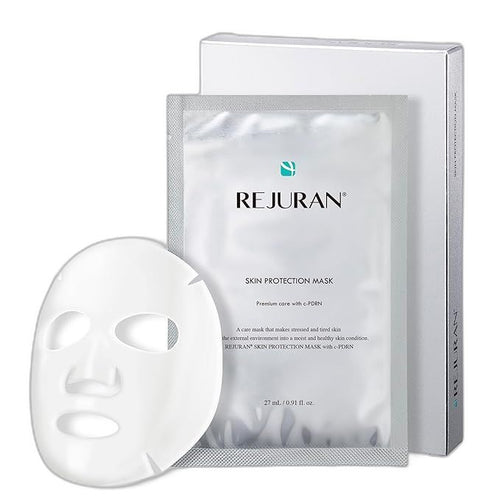
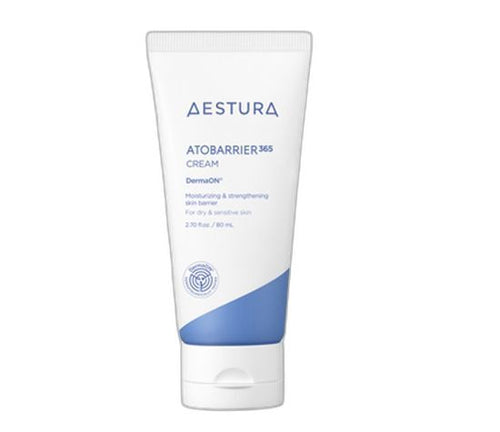
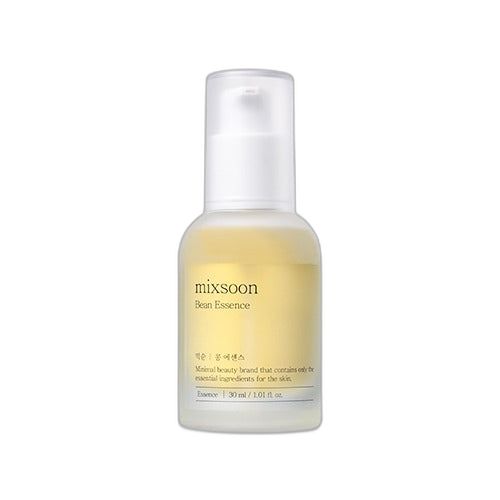
For shoppers who want a simplified starting point, Mirai Skin offers a curated Korean skincare retail selection, including pregnancy-safe product groupings, which can make product filtering easier once you know which ingredients and formats you're looking for.
How to Read K-Beauty Labels Like a Pro
A pregnancy-safe routine gets much easier once you stop shopping by front-label promises and start shopping by INCI list. Korean products often have beautifully descriptive names, but the name won't tell you whether a formula contains retinal, hydroquinone alternatives you don't want, or a hidden exfoliating acid blend.
Find the ingredient list first
On most Korean skincare packaging, the ingredient list appears in English or in standard INCI naming even when the rest of the package includes Korean text. That's what you want. Skip the marketing copy and go straight to the ingredients.
Look for the pause-list ingredients you already know:
- Retinoid clues such as retinol, retinal, tretinoin, adapalene, retinyl compounds
- Hydroquinone
- Leave-on BHA positioning when salicylic acid appears in toners, pads, masks, or peels
- Strong correction language that suggests the formula may be more aggressive than your current skin wants

Don't let pretty ingredient stories distract you
A formula can contain cica, heartleaf, propolis, or fermented extracts and still be the wrong product for pregnancy if it also includes a retinoid or an aggressive exfoliating system. Ingredient storytelling is useful. It isn't enough.
I tell clients to read labels in this order:
-
Disqualifiers first
Check for ingredients you're pausing. -
Format second
Ask whether the product is rinse-off, leave-on, peel, pad, or all-day wear. -
Support ingredients third
Then look for hydrators, soothing agents, and barrier support.
Check dates and patch test
K-beauty packaging often includes manufacturing or expiration markings in Korean, and freshness matters. More important, though, is patch testing. Pregnancy skin can react unpredictably, even to formulas that look ideal on paper.
Patch testing isn't optional when your skin is changing month to month. Apply a small amount for several days before moving a new product into your full routine.
Your Pregnancy-Safe K-Beauty Questions Answered
Is snail mucin safe during pregnancy
In general practice, snail mucin is usually approached as a hydrating and conditioning ingredient, not a high-risk active. That makes it a reasonable option for many pregnancy routines, especially in essences and serums designed to support moisture and comfort.
The key is still the whole formula. If the product pairs snail mucin with ingredients you're pausing, the snail mucin itself doesn't rescue it.
What about propolis or bee venom
These aren't the same thing, and they shouldn't be treated the same way.
Propolis usually appears in glow-focused or soothing formulas and is often chosen for skin comfort. Many people tolerate it well. If you have a history of bee-related allergies or very reactive skin, be cautious and patch test.
Bee venom is the category I'd approach more carefully because it can be more provocative for sensitive skin. During pregnancy, I usually prefer the quieter option unless there's a very specific reason to use it.
Are fermented ingredients okay
Usually, the question with fermented ingredients isn't pregnancy safety in the abstract. It's tolerance. Fermented essences can feel elegant and hydrating, but some clients with reactive skin love them and others flare from them.
If your skin is stable and you've used fermented products before, you may do well with them. If your skin has become unpredictable, I'd start with simpler hydration first.
Is niacinamide still worth using if I can't use retinol
Yes. It won't mimic retinol exactly, but that's not the point. During pregnancy, niacinamide earns its place because it supports barrier function, helps with visible redness, and can improve the look of uneven tone without making skin more fragile.
That kind of steady improvement is usually more valuable right now than chasing dramatic turnover.
Can I use salicylic acid at all
This depends on format and exposure, not just the name on the label. A low-exposure cleanser is a different conversation from a leave-on BHA toner, peel, or treatment pad. If you want to keep any salicylic acid in your routine, discuss it with your healthcare provider and be especially cautious with leave-on resurfacing products.
When in doubt, many pregnant clients do better moving toward azelaic acid or a simpler anti-congestion routine built around gentle cleansing and barrier care.
Is benzoyl peroxide allowed
Guidance often treats benzoyl peroxide as lower concern in limited use than the ingredients on the clear pause list. If acne is your main issue, this is worth discussing with your OB-GYN or dermatologist. The decision should fit your skin, the product format, and how often you'd use it.
Do I need to stop double cleansing
No. You may just need to soften it.
Double cleansing is useful when you wear sunscreen or makeup, but the formulas matter. A gentle oil cleanser followed by a non-stripping second cleanser is very different from washing twice with foaming cleansers that leave skin squeaky. If your face feels tight after cleansing, the routine is too harsh.
What's the biggest mistake people make with Korean skincare during pregnancy
They assume “gentle-looking” equals pregnancy-safe, or they assume every popular K-beauty ingredient needs an answer in isolation. Usually, the better question is simpler: does this exact formula contain anything I'm pausing, and is this product designed for low exposure or prolonged correction?
That shift in thinking changes everything.
Should I ask my doctor even if the product looks safe
Yes. Always.
Skincare articles can help you narrow choices, but they can't account for your medical history, pregnancy risk factors, allergy profile, or how your provider wants you to manage acne, pigmentation, or sensitivity. A dermatologist or OB-GYN can help you decide what belongs in your routine and what can wait.
Pregnancy skincare is not about fear. It's about editing. Keep the hydration, keep the barrier support, keep the sunscreen, and let the high-risk correction steps rest for a while.
If you want to shop with that filter in mind, Mirai Skin carries authentic Korean skincare from multiple brands, which makes it easier to compare cleansers, essences, serums, and creams built around hydration and barrier support rather than aggressive correction. Browse Mirai skin with your ingredient checklist beside you, and bring any uncertain product to your doctor or dermatologist before adding it to your routine.