Dealing with bumpy texture, enlarged pores, or a general lack of smoothness? The most reliable path to a refined complexion is a dedicated korean skincare for textured skin routine. This approach isn't about fleeting trends or harsh fixes; it's a philosophy centered on gentle exfoliation, deep hydration, and barrier repair to bring your skin back into balance.
Your Journey to Smoother Skin Starts Here
If you're feeling frustrated with your skin's surface, you're in the right place. Korean skincare steers clear of aggressive treatments that strip your skin. Instead, it’s about consistency and nourishment, using thoughtful layers of hydration and targeted ingredients that work in harmony.
This guide moves beyond the basics to give you an authentic, results-driven roadmap. We'll show you exactly how to build a practical routine that addresses the root causes of uneven texture, so you can achieve lasting results.
Why K-Beauty Is So Effective for Texture
The global obsession with K-Beauty isn't just hype-it's built on real results, especially for tricky issues like skin texture. The K-beauty market, now valued at $14.69 billion globally, is fueled by innovative yet gentle formulas. It's no surprise that Google Trends shows searches for 'Korean serums' are hitting an all-time high as enthusiasts hunt for potent, ingredient-focused solutions.
This demand is especially strong in the U.S., which now makes up 28% of Korea's beauty exports. Savvy shoppers are turning to trusted e-tailers like Mirai Skin for authentic products that genuinely transform their skin. You can discover more insights on the rapid growth of the K-Beauty market to see just how big this movement has become.
At its core, the K-beauty philosophy for textured skin is about:
- Gentle Resurfacing: Utilizing ingredients like AHAs, BHAs, and enzymes to slough away dead skin cells without causing irritation.
- Deep Hydration: Plumping the skin from within using essences and serums, which immediately minimizes the look of bumps and fine lines.
- Barrier Support: Strengthening the skin's natural defenses with ingredients like ceramides and centella asiatica to prevent future texture issues from starting.
By focusing on overall skin health rather than a quick fix, this approach creates a truly smooth and resilient canvas. It’s how you achieve that coveted 'glass skin' finish-by patiently nurturing your skin back to its optimal state.
This guide is your expert-led journey to finally understanding and conquering textured skin with proven K-Beauty methods that deliver visible results.
What Really Causes Uneven Skin Texture
Before selecting products, it's critical to understand the root cause of your skin's unevenness. Textured skin isn't a single condition; it's a symptom that can arise from several interconnected issues. Identifying the primary culprit behind your bumpy or rough complexion is the key to building a korean skincare for textured skin routine that is truly effective.
Most often, the primary cause is a buildup of dead skin cells (keratinocytes). Your skin naturally sheds millions of cells daily, but when this desquamation process slows, old cells accumulate on the surface. This creates a dull, rough layer that can clog pores and lead to the micro-comedones and bumps that disrupt a smooth complexion.
It's Not Always Just Dead Skin
While keratinocyte buildup is a major factor, other underlying issues can exacerbate the problem. Dehydration is a frequently overlooked contributor. When your skin lacks water, it loses its plumpness and resilience, making fine lines and rough patches appear more prominent. A dehydrated skin barrier cannot function optimally, leaving your skin feeling tight and looking uneven.
Then there's chronic sun damage. Years of cumulative, low-level UV exposure slowly degrade the collagen and elastin that provide your skin's structural integrity. This damage further disrupts the skin's natural turnover cycle, creating a frustrating loop of buildup and roughness that is difficult to correct without a targeted approach.
The Role of Congestion and Clogged Pores
Congestion is another major player in the texture game. This occurs when pores become impacted with a mixture of excess sebum, dead skin cells, and environmental debris. This impaction can manifest in several ways:
- Closed Comedones: Small, flesh-colored papules that give the skin a "sandpaper" feel.
- Blackheads: Open comedones where the contents of the clogged pore have oxidized and turned dark.
- Enlarged Pores: Over time, consistent clogging can cause pores to stretch, making them appear larger and more prominent.
Pinpointing the source of your texture-whether it’s dryness, congestion, or damage-is the breakthrough moment. It allows you to move beyond guessing and start strategically choosing K-Beauty ingredients that directly address your skin's unique needs, which we'll explore next.
This is precisely why the Korean skincare philosophy is so effective for texture. Instead of harsh physical scrubbing, it focuses on gentle chemical exfoliation to manage cell turnover, deep hydration to plump the skin from within, and barrier fortification to build resilience. It's a holistic method that targets the problem from all angles to create a genuinely smooth, healthy canvas.
The Hero Ingredients for Smoothing Skin
To truly master a Korean skincare for textured skin routine, you must understand the language of the labels-the ingredients. This isn't about chasing trends; it's about knowing precisely how specific actives work to resurface, repair, and hydrate your skin. Forget guesswork. Let’s break down how to read an ingredient list like a seasoned expert and select products that deliver tangible results.
Korean skincare formulators excel at this. They pair powerful actives with soothing, barrier-supporting compounds, creating a balanced approach to achieving smooth skin. This is where the real efficacy lies.
Gentle Exfoliants: The K-Beauty Way
For textured skin, exfoliation is non-negotiable. However, the K-Beauty philosophy eschews harsh physical scrubs for a gentler, more consistent method. The focus is almost entirely on chemical exfoliants-acids that work by dissolving the intercellular bonds holding dead skin cells together.
You'll primarily encounter three families of these acids:
- AHAs (Alpha-Hydroxy Acids): Such as Glycolic and Lactic Acid. These are water-soluble, meaning they work on the skin's surface. They are fantastic for addressing roughness, dullness, and sun damage. If your texture feels dry or flaky, an AHA is your ideal choice.
- BHAs (Beta-Hydroxy Acids): Salicylic Acid is the most prominent BHA. Being oil-soluble, it can penetrate deep inside pores to clear out sebum and debris-the root cause of bumps and closed comedones. For anyone with oily or congestion-prone skin, a BHA is essential.
- PHAs (Polyhydroxy Acids): Consider PHAs, like Gluconolactone, the gentler cousins of AHAs. Their larger molecular size means they penetrate less deeply, resulting in significantly less potential for irritation. This makes them a perfect entry point for sensitive skin types or those new to chemical exfoliants.
Choosing the right exfoliant isn't about finding the "strongest" one. It’s about matching the acid to your specific skin concerns. The goal is smooth, not stripped.
When you're trying to figure out which gentle exfoliant is right for your skin, it can feel a bit overwhelming. Each one offers unique benefits, and the best choice really depends on what's causing your texture. Is it clogged pores? Dry patches? General sensitivity?
Here’s a quick comparison to help you choose the right path for your skin.
Choosing Your Gentle Exfoliant for Textured Skin
| Exfoliant Type | Best For | Key Benefit for Texture | Use Frequency |
|---|---|---|---|
| AHA (Glycolic, Lactic Acid) | Dry, dull, or sun-damaged skin | Smooths surface roughness and brightens uneven tone | 2-3 times per week, PM |
| BHA (Salicylic Acid) | Oily, acne-prone, or congested skin | Decongests pores, reducing bumps and blackheads | 2-4 times per week, AM or PM |
| PHA (Gluconolactone) | Sensitive, reactive, or beginner skin | Gently lifts dead skin cells with minimal irritation | 3-5 times per week, can be used daily |
Ultimately, the best exfoliant is the one you can use consistently without compromising your skin barrier. K-Beauty offers incredible formulations that often blend these acids with hydrating ingredients, giving you the smoothing benefits without the harsh side effects.
Repair and Hydration: The Foundation of Smooth Skin
Exfoliation is just one part of the equation. Truly smooth skin is built on a strong, hydrated, and healthy skin barrier. This is where K-Beauty’s dedication to reparative ingredients truly shines. By infusing your skin with moisture and restorative compounds, it plumps from within, making surface irregularities far less noticeable.
Snail Mucin: This hero ingredient is a powerhouse for texture. Snail secretion filtrate is rich in beneficial compounds like glycoproteins and hyaluronic acid. It’s a true multi-tasker that hydrates, helps stimulate collagen, and accelerates cell regeneration to repair damage.
Niacinamide (Vitamin B3): If enlarged pores and excess sebum contribute to your skin's texture, niacinamide is a non-negotiable. It helps regulate oil production, visually refines pore size, and strengthens the skin barrier. Its anti-inflammatory properties also calm the redness often associated with breakouts.
Centella Asiatica (Cica): Also known as "tiger grass," this botanical extract is the ultimate skin-soother. If your texture is exacerbated by irritation or over-exfoliation, cica is your remedy. It calms inflammation and promotes healing, restoring balance to your skin.
Ceramides: Think of ceramides as the mortar holding your skin cell "bricks" together. These lipids are integral to a healthy barrier. Replenishing them through your skincare helps lock in moisture, protect against environmental stressors, and restore a plump, smooth feel.
Why Everyone Is Talking About K-Beauty Ingredients
The global fascination with these ingredients isn't just hype. The U.S. K-beauty market has soared to $2 billion in sales, with a huge demand for products that target textured skin. This boom is driven by ingredients like snail mucin and gentle PHAs that deliver visible results.
In fact, some studies show PHAs can improve skin smoothness by 25% in just 28 days. User trials have also shown that K-beauty staples like essences and ampoules can reduce the appearance of pores by up to 40%. You can learn more about the rise of K-Beauty in the US market and see the data for yourself.
By understanding the function of each of these hero ingredients, you can move past trial and error and begin building a routine that gives your skin exactly what it needs to heal, regenerate, and become seriously smooth.
Building Your K-Beauty Routine for Textured Skin
Structuring your korean skincare for textured skin routine is more about strategy than accumulating products. It’s a deliberate layering process-a sequence designed to cleanse, treat, and protect in a way that actively promotes a smoother surface. The real secret? Consistency. Your morning and evening rituals are your most powerful tools.
This isn't about blindly following steps but understanding the why behind each one. Once you grasp the logic-from the double cleanse to serum layering-a simple routine becomes profoundly effective. Let's build a practical plan that tackles textured skin head-on.
Your Morning (AM) Regimen: The Protective Shield
Your morning routine is your skin’s defense against the day. The goal is simple: prepare your skin to face environmental stressors like pollution and UV radiation, both of which worsen texture. The focus should be on light hydration and antioxidant protection, not heavy treatments.
1. A Gentle (and Optional) Cleanse
For many skin types, especially dry or balanced, a splash of lukewarm water is sufficient in the morning. If you have oily skin or wake up with excess sebum, a gentle, low-pH gel or foam cleanser is ideal. The aim is to refresh your skin without stripping the natural lipids that are crucial for a healthy barrier.
2. Hydrating Toner or Essence
This is a foundational K-Beauty step. A hydrating toner (often called "skin" in Korea) is your first layer of deep hydration. Look for formulas with humectants like hyaluronic acid, glycerin, or beta-glucan. These plump the skin from within, which instantly diminishes the appearance of texture. Pat it in with your hands to enhance absorption.
3. A Targeted Texture-Fighting Serum
In the morning, select a serum that multitasks by both treating and protecting. A Vitamin C serum is an excellent choice. It helps neutralize free radical damage from UV exposure and brightens the complexion over time. Another superb option is a niacinamide serum, which is brilliant for controlling sebum throughout the day and refining pore appearance.
4. Lightweight Moisturizer
Your AM moisturizer should seal in hydration without feeling heavy. A gel-cream or light lotion is typically the best choice. It provides just enough moisture to support your skin barrier and creates a smooth base for sunscreen.
5. Sunscreen: The Most Critical Step
If you do nothing else, wear sunscreen. Daily sun protection is the single most effective action you can take to prevent and improve textured skin. UV damage degrades collagen, disrupts cell turnover, and exacerbates every texture issue. Aim for a broad-spectrum SPF of 30 or higher. Korean sunscreens are renowned for their elegant, lightweight formulas that feel nothing like traditional sunblock.
Your Evening (PM) Regimen: The Repair Shop
Nighttime is when your skin enters its repair and regeneration phase. This is your opportunity to focus on deep cleansing, targeted exfoliation, and potent treatments that resurface and rebuild your skin.
1. The All-Important Double Cleanse
This two-step ritual is the bedrock of any K-Beauty routine.
- First Cleanse (Oil-Based): Begin with a cleansing oil or balm. Massage it onto dry skin to dissolve everything-makeup, sunscreen, sebum, and pollutants. This is crucial for preventing the pore congestion that leads to bumpy texture.
- Second Cleanse (Water-Based): After rinsing, follow with a gentle foam or gel cleanser. This step removes any remaining residue, leaving your skin perfectly prepped for treatment.
This flowchart shows how different chemical exfoliants work at different levels of the skin to smooth texture.

It’s a great visual reminder: water-soluble AHAs work on the surface, oil-soluble BHAs get deep into pores, and larger-molecule PHAs offer a gentler, surface-level exfoliation.
2. Exfoliating Treatment (2-3 Times Per Week)
This is your primary texture-tackling step. A few nights a week, apply your chosen chemical exfoliant (AHA, BHA, or PHA) to clean, dry skin. Allow it a few minutes to absorb before proceeding. Remember, more is not better. Over-exfoliation will compromise your skin barrier and worsen texture. Start slowly.
Expert Tip: When starting out, never use your exfoliant on the same night as a retinoid. Alternate them. This allows your skin time to recover and is the key to achieving optimal results without the irritation of a compromised barrier.
3. Toner or Essence
As in your morning routine, follow with a hydrating toner. On exfoliation nights, a formula with calming ingredients like centella asiatica (cica) or artemisia is an excellent choice to soothe any potential irritation.
4. Treatment Serums
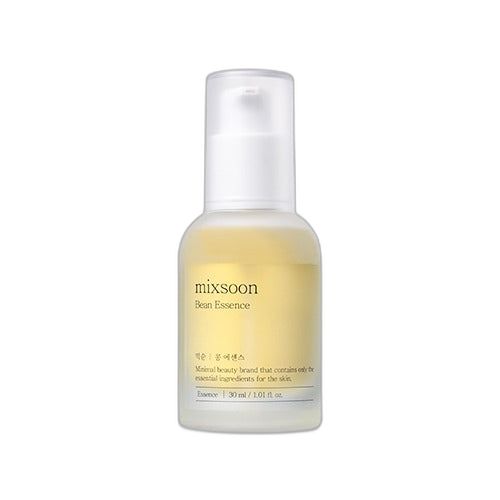
Your PM routine is primetime for powerhouse serums. On non-exfoliation nights, this is the perfect spot for a retinoid. You can also layer repairing serums. For example, a snail mucin essence followed by a peptide serum is an incredible combination for supporting skin regeneration and smoothing fine lines.
The demand for texture solutions is huge in the global K-beauty market, with texture-refining serums dominating online searches. The ingredients are backed by real data, too. Niacinamide, for instance, has been shown to refine texture by up to 35% in 12-week clinical trials. And barrier-repair creams, a K-Beauty staple, are incredibly effective; aggregated user reviews show that 65% of users see at least a 50% improvement in skin texture. You can explore more market trends in Korean skincare here.
5. Nourishing Moisturizer
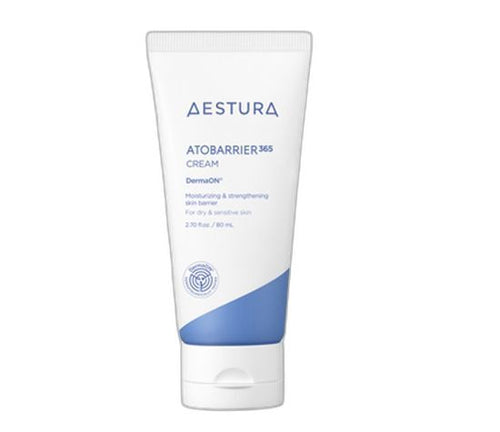
Finally, lock everything in with a moisturizer that is more substantial than your morning one. Look for creams with barrier-supporting ingredients like ceramides, shea butter, or squalane. This final step doesn't just hydrate-it creates a protective seal that helps your treatment products work more effectively overnight.
Pro Techniques to Enhance Your Results
Once you've established your core morning and evening routines, you can integrate advanced strategies to accelerate your progress. These are the insider techniques that elevate a good korean skincare for textured skin routine into a truly transformative one.
Think of these as strategic enhancements. They refine your results without overwhelming your skin, helping you work smarter, not harder. By thoughtfully adding treatments like skin cycling and specialized masks, you'll amplify the smoothing effects of your daily products and achieve the clear, refined complexion you're working towards.
Embrace Skin Cycling for Maximum Impact
One of the most intelligent concepts to gain traction is skin cycling. This is not just a trend; it's a strategic, intuitive method for using active ingredients that prevents irritation while enhancing their efficacy. The core idea is to create a schedule that alternates treatment nights with recovery nights, giving your skin a perfect balance of work and rest.
A typical four-night cycle looks like this:
- Night 1: Exfoliation. This is your night for a chemical exfoliant (AHA, BHA, or PHA) to sweep away dead skin cells and clear pores. Think of it as preparing the canvas.
- Night 2: Retinoid. On the second night, introduce your retinoid. Following exfoliation, the retinoid can work more efficiently to promote cell turnover and stimulate collagen synthesis.
- Nights 3 & 4: Recovery. These nights are dedicated to repair and deep hydration. You'll skip strong actives and focus on barrier-fortifying ingredients like ceramides, snail mucin, and centella asiatica. This downtime is crucial-it allows your skin to heal and rebuild, preventing the over-exfoliation that can actually worsen texture.
Skin cycling is the ultimate pro move because it respects your skin barrier. You get all the powerful benefits of your actives without the redness, peeling, and irritation that can happen when you use them too often.
Leverage the Power of Weekly Masks
Beyond your daily steps, weekly masks are a fantastic way to give your skin a concentrated dose of targeted treatment. They offer both immediate and long-term improvements for uneven texture.
Two types are especially valuable in a K-Beauty routine.
Wash-Off Clay and Bean Masks
Using a purifying mask once a week can do wonders for congested, bumpy skin. Classic clay masks are exceptional for drawing out excess sebum and impurities from deep within the pores.
For a unique K-Beauty approach, look for masks like the Beauty of Joseon Red Bean Refreshing Pore Mask, which uses gentle bean extracts to exfoliate as it purifies. A mask like this helps maintain clear pores, preventing the buildup that leads to closed comedones and rough patches.
Hydrating Sheet Masks
Never underestimate the power of a well-formulated sheet mask. While they may seem simple, a quality hydrating mask delivers an instant plumping effect that can dramatically soften the appearance of surface texture.
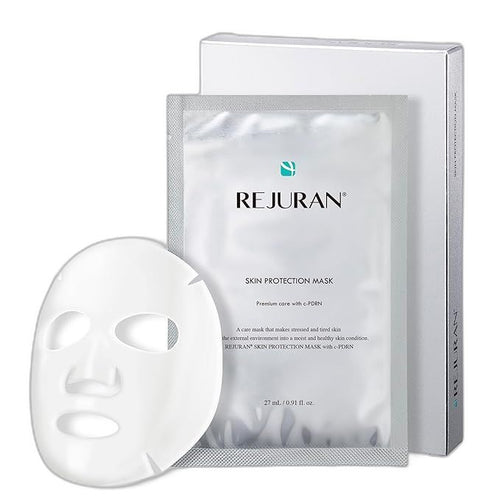
When your skin is saturated with hydration from ingredients like hyaluronic acid or propolis, it swells slightly, smoothing over fine lines and making the skin's surface look incredibly smooth and dewy. They are the perfect prep step before an event or as a soothing treatment on a recovery night in your skin cycling schedule.
Common Mistakes to Avoid on Your Journey
Achieving a smooth, healthy complexion is a marathon, not a sprint. While embarking on a dedicated korean skincare for textured skin routine is exciting, it's easy to make missteps. Knowing what to avoid will help you sidestep issues that can derail your progress, ensuring your journey is as smooth as your future complexion.
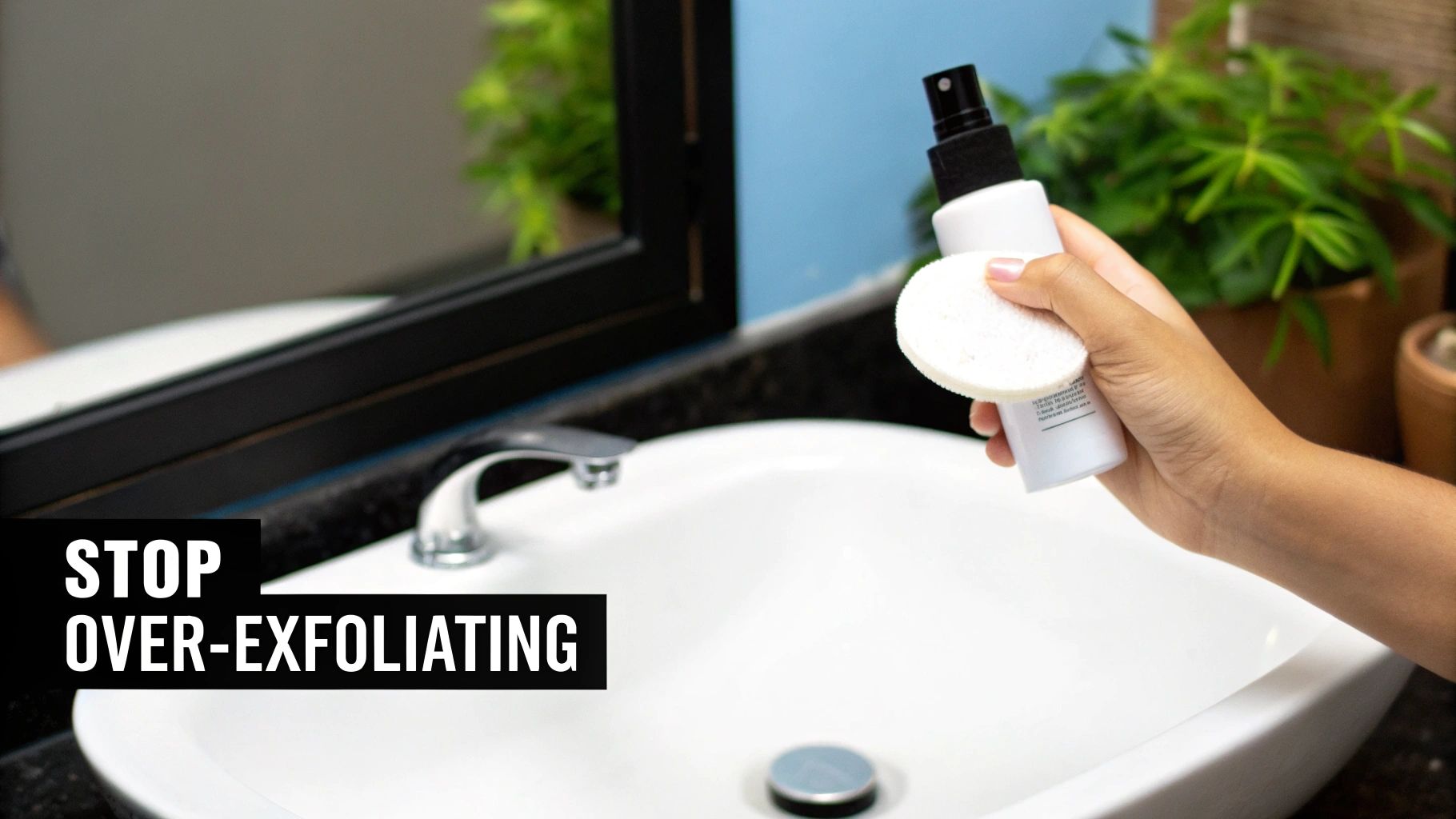
The single biggest mistake we see is over-exfoliating. In the quest for instant smoothness, it’s tempting to believe more is better. This approach almost always backfires. Using chemical exfoliants too frequently strips the skin’s natural lipids and can severely damage the delicate moisture barrier.
Recognizing and Recovering from Over-Exfoliation
Once your skin barrier is compromised, it can no longer protect itself effectively, which ironically leads to more texture and irritation. Learning to spot the warning signs is critical for your skin's long-term health.
Look out for these symptoms:
- Increased Redness and Sensitivity: Your skin feels reactive or tender to the touch.
- A Tight, "Squeaky" Feeling: Healthy skin feels balanced and comfortable after cleansing, not stripped.
- Unusual Shininess or Waxiness: A damaged barrier can impart a strange, almost plastic-like sheen to the skin.
- Sudden Breakouts: A weakened barrier is more susceptible to acne-causing bacteria.
If you notice any of these signs, it's time to pause. Immediately cease all active ingredients-no AHAs, BHAs, retinoids, or Vitamin C. Pivot to a simple, healing routine focused on barrier repair with ingredients like ceramides, centella asiatica (cica), and snail mucin.
Purging vs. Irritation
When introducing new actives, it's vital to differentiate between skin purging and a true negative reaction. Purging is a temporary increase in breakouts in your usual problem areas. It occurs because the product is accelerating cell turnover, bringing underlying congestion to the surface. This phase should resolve within 4-6 weeks.
A negative reaction, conversely, often involves redness, itching, or breakouts in new areas. This is a clear sign of irritation, and you should discontinue the product immediately. Always patch-test new products on a small, discreet area, such as the inner arm or behind the ear, before full-face application.
Remember, real change doesn't happen overnight. It takes a full skin cycle-roughly four to six weeks-for your skin to renew itself and for you to start seeing noticeable improvements in texture. Patience is just as important as the products you use.
A Few Final Questions
Starting a new routine for textured skin can feel like a big step, and it's normal to have a few lingering questions. Let's address some of the most common inquiries so you can move forward with confidence.
How Long Until I See Real Results?
Patience is paramount when addressing skin texture. While you may notice an immediate improvement in softness or a plumping effect from increased hydration, significant changes take time.
You can expect to see an initial improvement in your skin's softness and clarity within 2-4 weeks. For more substantial results-such as smoother bumps and less noticeable pores-you need to allow for at least one or two full renewal cycles, which is about 4-8 weeks of consistent use. For more stubborn texture, it could take 3-6 months to see the full, dramatic improvement you're aiming for.
Can I Use Vitamin C with My Chemical Exfoliants?
This is an excellent question. The answer is a firm "yes, but not at the same time." Using these potent actives incorrectly can lead to significant irritation.
The best practice is to apply your Vitamin C serum in the morning. This is ideal, as it also functions as an antioxidant, helping to protect your skin from environmental stressors throughout the day.
Reserve your chemical exfoliant, like an AHA or BHA, for your nighttime routine, and limit its use to a few times per week. Never layer them in the same application-this is a fast track to redness and a compromised skin barrier.
Key Takeaway: Separating your active ingredients is a non-negotiable for keeping your skin barrier happy and healthy. Think of it this way: Vitamin C for morning protection, exfoliants for nighttime renewal. This is the safest, most effective strategy for achieving smoother skin.
Is Snail Mucin Actually Good for Bumpy Skin?
Absolutely. Snail mucin is a superstar for textured skin, though it plays a different role than an exfoliant. Its efficacy lies in its incredible ability to hydrate, repair damage, and calm inflammation.
By flooding the skin with moisture and supporting its natural healing processes, it helps smooth the skin's surface over time. It is especially effective for addressing the roughness and micro-bumps that result from dehydration or irritation. Think of it as the ultimate supporting actor in your texture-focused routine.
At Mirai Skin, we're committed to sourcing 100% authentic K-Beauty products to help you reach your goals. Explore our curated collection and find the perfect formulas for your journey to smoother, healthier skin. You can start building your routine today at https://miari-skin.com.