
Some products arrive with fanfare, limited editions, influencer campaigns, viral TikTok moments. And then there are products like the iUNIK Beta Glucan Power Moisture Serum, which quietly builds a devoted following through word of mouth and repeat purchases. No flashy packaging, no wild claims, just a serum that people keep coming back to.
I'd been hearing about this one in skincare communities for a while, mostly from people with sensitive or dehydrated skin who swore it changed their routine. After four weeks of daily testing, I understand why. But it's not for everyone, and I want to be upfront about that.
First Impressions
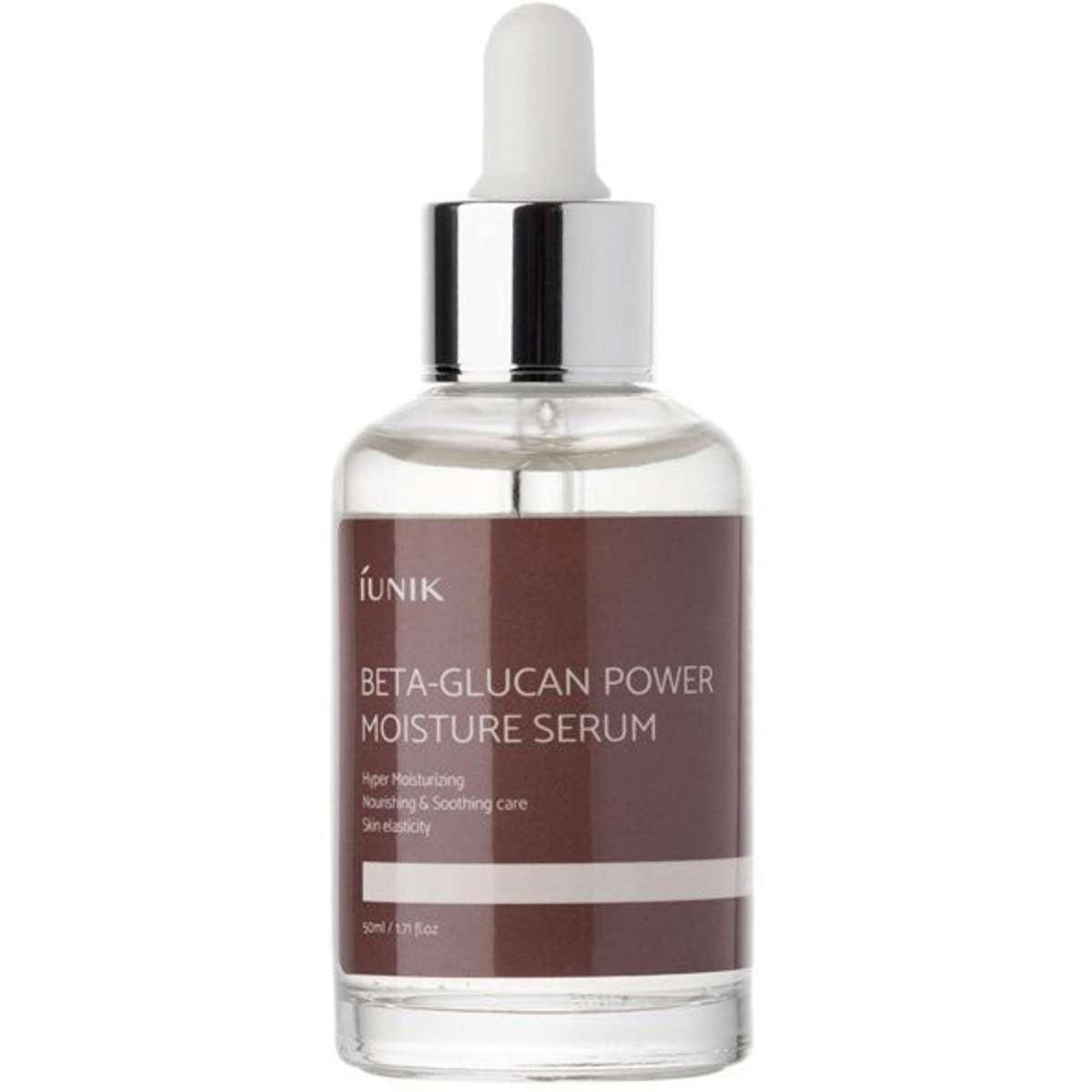
The packaging is about as no-frills as it gets. A frosted glass bottle with a dropper, clean labeling, nothing that would catch your eye on a crowded shelf. I actually respect this, iUNIK seems to put their budget into the formula rather than the presentation.
Dispensing the first drop, the texture is immediately interesting. It's thick, noticeably thicker than most serums, with an almost gel-like, mucin-esque consistency. If you've used snail mucin products, you'll recognize the slip. It doesn't drip off the dropper so much as stretch and slide. Clear, with no color and no scent whatsoever.
On application, it glides smoothly across the face and absorbs within about 90 seconds. There's a brief tacky phase, maybe 30 seconds, before it fully sinks in and leaves the skin feeling soft and plump without any residue. First impression was positive, though the tackiness might bother people used to water-light serums.
Key Ingredients
The hero ingredient is beta glucan at 98%. If you're not familiar with beta glucan, it deserves your attention. It's a polysaccharide derived from mushrooms (in this case, specifically from yeast cell walls) that research has shown to be even more effective at skin hydration than hyaluronic acid in some studies. It also has documented anti-inflammatory and wound-healing properties.
The supporting cast is minimal but effective: 1,2-hexanediol (a gentle solvent and humectant), myrothamnus flabellifolia callus culture extract (a resurrection plant extract known for extreme moisture retention), and a few stabilizers. The formula is notably free of fragrance, essential oils, alcohol, and other common irritants.
What stands out is the concentration. At 98% beta glucan, this isn't a serum with a token amount of the star ingredient buried under a dozen fillers. It's essentially concentrated beta glucan with minimal additions. For people who geek out over ingredient transparency, this is about as straightforward as it gets.
How I Used It
I applied 3-4 drops after my toner step, both morning and evening. I pressed it into my skin with gentle patting motions rather than rubbing, which seemed to help with absorption and minimize the tacky phase. In the morning, I followed with sunscreen. At night, I followed with a light moisturizer.
I also tested it on a few occasions as a standalone hydrator, no toner before, no moisturizer after, to see if it could carry the hydration load on its own. During week 3, I also tried mixing a couple drops into my foundation to test cosmetic compatibility.
Results After 4 Weeks
Hydration: This is where the serum genuinely shines. My skin felt noticeably more hydrated starting from the very first week. Not surface-level dewy, but a deeper, plumper hydration that made my skin look healthier overall. By week 3, the chronic tightness I'd been experiencing around my forehead and cheeks was gone. The hydration was lasting too, my skin still felt moisturized by evening, which isn't always the case with serums I've tried.
Soothing: I had a mild irritation flare-up during week 2 from a new laundry detergent (of all things), and I noticed the areas where I applied the serum calmed down faster than I expected. The anti-inflammatory properties of beta glucan seem to be real and not just marketing.
Texture: My skin's overall texture improved subtly over the four weeks. Not a dramatic smoothing effect, but a general refinement, fewer rough patches, more bounce when I pressed my cheek. This aligns with beta glucan's collagen-supporting properties, though I'd want to test longer to make definitive claims.
Under makeup: Mixed results. On its own, the serum can leave a slightly tacky base that makes some foundations apply unevenly. Waiting 3-4 minutes for full absorption solved this. Mixing drops into my foundation actually worked well and gave a healthy, skin-like finish.
Breakouts: None. Zero new blemishes over the entire testing period, which is notable for a serum this hydrating. Many deeply moisturizing products tip into pore-clogging territory, but this one stayed clear.
Who Should (and Shouldn't) Use This
Perfect for: Anyone with dehydrated, sensitive, or irritation-prone skin. If hyaluronic acid hasn't been working for you (some people find it pulls moisture from their skin in dry climates), beta glucan is an excellent alternative. People on active treatments who need a gentle, deeply hydrating buffer will find this valuable. It's also a solid choice for anyone building a simple routine around minimal, effective products.
Might not suit: If you hate any tackiness in your serums, even briefly, this texture might frustrate you. People with very oily skin who live in humid climates may find it too heavy for daytime use. And if you're looking for active anti-aging or brightening effects, you'll need to pair this with other products, hydration is its sole focus.
Pros & Cons
Pros:
- 98% beta glucan, impressively high concentration of the star ingredient
- Deep, lasting hydration that surpasses many hyaluronic acid serums
- Genuine soothing and anti-inflammatory benefits
- No fragrance, no alcohol, no common irritants
- Did not cause any breakouts over 4 weeks
- Excellent value for a 50ml dropper bottle
- Works well for sensitive and reactive skin types
Cons:
- Brief tacky phase during absorption (about 30 seconds)
- Can sit unevenly under some foundations if not fully absorbed
- No-frills packaging may not appeal to everyone
- Purely hydrating, no additional active benefits
The Verdict: 4.2/5
The iUNIK Beta Glucan Power Moisture Serum earns 4.2 out of 5. It's a quietly excellent hydrating serum that delivers on its core promise without fuss or pretense. The 98% beta glucan concentration is genuinely impressive, the hydration is deep and lasting, and its gentleness makes it accessible to even the most reactive skin types. The minor tacky phase and limited scope beyond hydration keep it from a higher score, but for what it sets out to do, it does it remarkably well.
This is the kind of product that won't go viral but will become a permanent fixture in your routine once you try it. Explore more hydrating options in our serum collection, but if deep, gentle moisture is your priority, this iUNIK formula punches well above its price point.
Frequently Asked Questions
What is beta glucan and how does it compare to hyaluronic acid?
Beta glucan is a polysaccharide (sugar molecule) derived from yeast, mushrooms, or oats. Research suggests it can be even more effective than hyaluronic acid at skin hydration, with the added benefit of anti-inflammatory and wound-healing properties. It's especially good for sensitive skin since it calms while it hydrates.
Is the iUNIK Beta Glucan Serum sticky or tacky?
There is a brief tacky phase lasting about 30 seconds after application. Once fully absorbed, the skin feels soft and smooth without residue. Patting it in rather than rubbing, and waiting a couple minutes before applying the next step, minimizes this.
Can I use the iUNIK Beta Glucan Serum with vitamin C or retinol?
Yes. Beta glucan is a gentle, non-active ingredient that pairs well with virtually everything. It can actually help soothe the irritation that vitamin C or retinol sometimes cause. Apply your active first, then layer this serum on top for a hydrating buffer.
Will this serum break me out if I have acne-prone skin?
Beta glucan is non-comedogenic and actually has anti-inflammatory properties that can benefit acne-prone skin. During my 4-week test, I experienced zero breakouts. However, everyone's skin is different, so patch testing is always a good idea if you're very acne-prone.