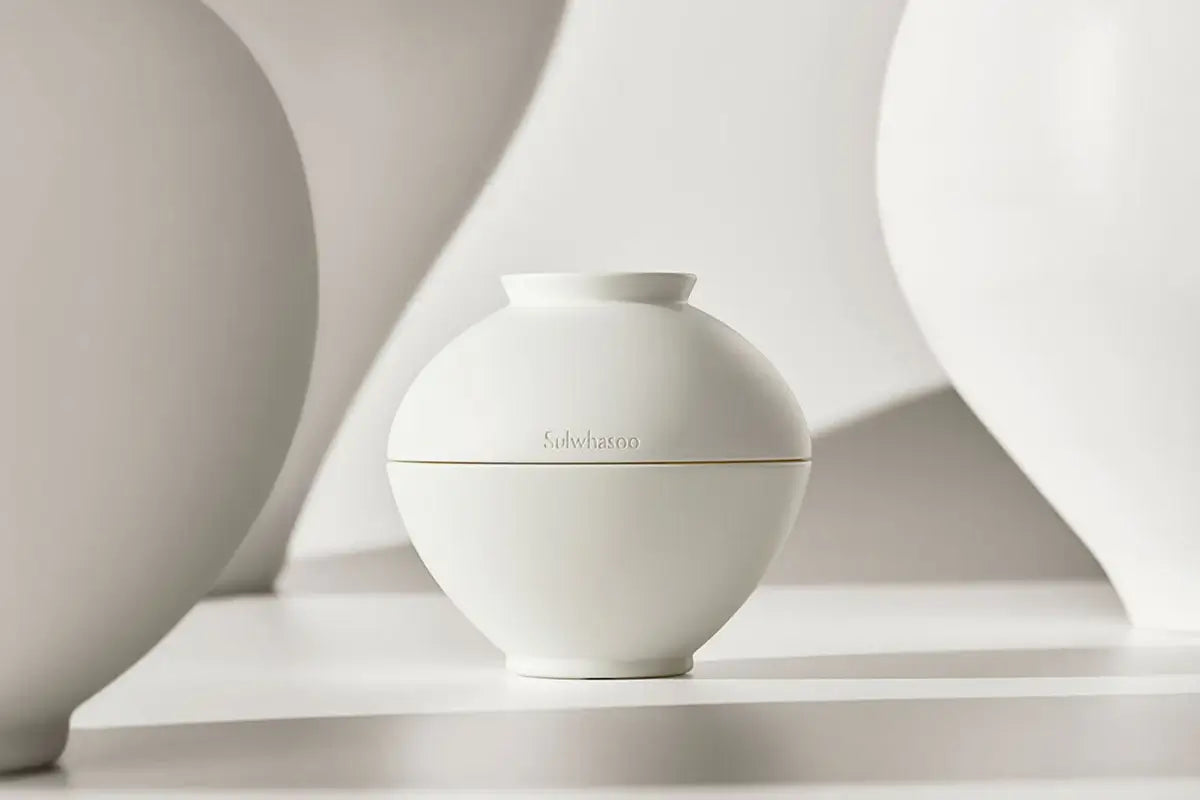
A light cleansing oil is a sophisticated, oil-based cleanser meticulously formulated to dissolve makeup, sunscreen, and excess sebum without stripping the skin's delicate moisture barrier. Thanks to its lightweight texture and advanced emulsifiers, it rinses off completely clean with water, leaving zero greasy residue behind. It's become a non-negotiable cornerstone of authentic Korean skincare for a reason.
What Is a Light Cleansing Oil and Why Is It a K-Beauty Game Changer?

If you’ve ever battled stubborn waterproof mascara or struggled to remove a full day's worth of long-wear foundation and mineral sunscreen, you know the struggle. Traditional makeup removers can be harsh, often requiring aggressive rubbing that leaves skin feeling irritated, sensitized, and raw. This is precisely where a light cleansing oil completely changes the game.
Think of it as a smart magnet for all the oil-based impurities on your face. It works based on a simple chemistry principle: “like dissolves like.” The oils in the cleanser bind to and break down everything from heavy makeup to the natural sebum and pollutants built up in your pores. The entire process is incredibly effective, yet remarkably gentle.
The Magic of a Clean Rinse: Emulsification
What truly elevates a modern light cleansing oil from, say, just slathering coconut oil on your face is its ability to emulsify. This is the elegant, transformative step. With just a splash of water, the silky oil instantly turns into a milky fluid that rinses away completely, taking all that dissolved grime with it.
The result? Deeply cleansed skin that feels soft, hydrated, and comfortable-never tight, stripped, or greasy. This is the real secret behind the coveted "glass skin" look: starting with a perfectly clean and balanced canvas.
This clean-rinsing power is everything. It ensures no occlusive film is left behind to clog pores, making it a fantastic first step for all skin types, even oily and acne-prone. By melting away that first layer of impurities, it prepares your skin to receive the maximum benefit from your second, water-based cleanser and subsequent treatment steps.
Light Cleansing Oil vs. Other First Cleansers
To truly appreciate its unique advantages, it helps to see how a light cleansing oil compares to other popular first cleansers. While each format has its place, the oil's fluid texture gives it a distinct advantage in dissolving stubborn, oil-based products without friction or irritation.
Here’s a quick comparison for the discerning K-Beauty enthusiast:
| Cleanser Type | Texture & Feel | Best For Removing | Ideal Skin Types |
|---|---|---|---|
| Light Cleansing Oil | Silky, fluid oil that emulsifies into a milk. | Waterproof makeup, heavy sunscreen, sebum. | All skin types, especially for daily makeup wearers. |
| Cleansing Balm | Solid balm that melts into an oil on contact. | Heavy makeup and sunscreen. | Normal to dry skin types. |
| Micellar Water | Water-like liquid with suspended micelles. | Light makeup and daily grime. | All skin types, especially sensitive skin. |
| Makeup Wipes | Pre-moistened cloths for quick removal. | On-the-go touch-ups; not for primary cleansing. | Best for occasional use; can be irritating and inefficient. |
Ultimately, incorporating a light cleansing oil into your routine is about so much more than just removing makeup. It’s a foundational ritual in Korean skincare that respects your skin's natural barrier function. It delivers that deep-pore cleanse you crave without the stripping effects of harsh surfactants, setting the stage for a truly effective skincare regimen.
How Does a Light Cleansing Oil Actually Work? The Science
Have you ever wondered how washing your face with oil could possibly leave it feeling anything but greasy? It’s not magic-it's elegant chemistry, and it’s one of the most intelligent ways to achieve truly clean skin. The secret lies in a principle you might remember from science class: like dissolves like.
This is the core concept behind the efficacy of a light cleansing oil. Throughout the day, your skin accumulates a layer of impurities that a simple water-based cleanser often can't fully remove. Most of this debris-from makeup and sunscreen to environmental pollutants-is oil-based, or lipophilic (meaning "oil-loving"), and it takes an oil to dissolve it effectively.

Step 1: Melting Away Lipophilic Impurities
Think about trying to wash a greasy pan with just water. The water simply beads up and rolls off, right? The same thing happens on your skin. The most stubborn impurities cling to your skin with an oily grip, and they require an oil-based solvent to truly let go.
These impurities include:
- Excess Sebum: Your skin's natural oil, which can build up, oxidize, and contribute to clogged pores and blackheads.
- Sunscreen: Especially water-resistant formulas, which are designed to adhere to skin using a lipophilic base.
- Waterproof Makeup: Long-wear foundation, stubborn eyeliner, and mascara are all formulated with oils, silicones, and waxes.
- Pollutants: Micro-particulates from the environment often have an oily consistency that "glues" them to your skin.
When you massage a light cleansing oil onto your dry face, it acts as a solvent. The oil in the cleanser is naturally drawn to the oils on your skin, latching onto them and dissolving them on contact. This process gently lifts everything from the surface and from within your pores without the harsh scrubbing that can compromise your skin barrier.
Step 2: Rinsing Clean with Emulsification
Now, this is where a well-formulated light cleansing oil truly showcases its sophistication and what sets it apart from a plain carrier oil. Dissolving impurities is only half the job. The second, most critical part, is removing it all without leaving an occlusive, greasy film behind. This is achieved through emulsification.
Cleansing oils are formulated with gentle surfactants or emulsifiers. These brilliant molecules have a dual nature: one end is lipophilic (oil-loving), and the other is hydrophilic (water-loving). While you're massaging the oil onto dry skin, the lipophilic ends are busy grabbing all that makeup and sebum.
But the real magic happens when you introduce lukewarm water. The hydrophilic ends of the surfactants activate, allowing the oil and water to mix. The silky oil instantly transforms into a milky, lightweight liquid that rinses away completely, taking all the dissolved grime and makeup down the drain with it.
This emulsification step is your guarantee of a clean, residue-free finish. No oily film is left behind to clog pores, which is precisely why a light cleansing oil is a game-changer even for those with oily and acne-prone skin. In fact, by effectively removing pore-clogging sebum without stripping the skin, it can help your complexion become more balanced and clear over time.
It’s this clever two-part system that delivers a deep, satisfying cleanse while respecting your skin's delicate acid mantle-the sophisticated science that powers one of K-Beauty’s most essential steps and creates the perfect clean canvas for your Mirai Skin routine.
How to Read a Light Cleansing Oil Ingredient List Like a Pro
For any true K-Beauty enthusiast, learning to decipher an INCI list is a superpower. It’s your key to understanding exactly how a product will feel and perform, long before you add it to your cart. It’s the ultimate tool for cutting through marketing claims and finding a light cleansing oil that is genuinely right for your skin type and concerns.
Ingredient lists are always ordered from the highest concentration to the lowest. This means the first few ingredients are the most important-they form the base oil blend that does the heavy lifting of melting away makeup, sunscreen, and daily grime. Further down, you’ll find the potent actives that give the formula its unique therapeutic character.
Decoding the Base Oils
The foundation of every light cleansing oil is its carrier oil blend. The oils at the top of the list dictate the cleanser’s viscosity, texture, and how it will interact with your skin. Not all oils are created equal, and their fatty acid profile (specifically the ratio of oleic vs. linoleic acid) makes all the difference.
-
For Oily & Acne-Prone Skin: Look for oils high in linoleic acid. These are lighter, have a "drier" feel, and are non-comedogenic. Grapeseed Oil and Sunflower Seed Oil are excellent choices because they help balance your skin’s own sebum, which is often deficient in this essential fatty acid.
-
For Dry & Mature Skin: Oils rich in oleic acid will be your skin's best friend. They are richer and more nourishing, working to replenish lipids and support a healthy skin barrier. Think classic, comforting oils like Rice Bran Oil or Olive Oil.
-
For All Skin Types: Some oils are universally beneficial. Jojoba Oil is a star player here because its chemical structure closely mimics our skin's natural sebum. This makes it incredibly biocompatible and well-tolerated by virtually everyone.
By glancing at the first few ingredients, you can get an immediate sense of the product's intended audience. If Grapeseed Oil leads the list, it’s likely formulated for oily skin. If Rice Bran Oil is at the top, it’s probably a more nourishing formula designed for dry skin.
Spotting the Potent Actives
Beyond the base, the best Korean cleansing oils are fortified with "active" ingredients that transform a simple cleanse into a skin treatment. Even at lower concentrations, these are the ingredients that soothe, brighten, and protect your skin.
The inclusion of skin-soothing and antioxidant-rich actives is a hallmark of authentic Korean skincare. It reflects a philosophy where every step, even cleansing, is an opportunity to nourish and improve the skin, not just strip it clean.
Here are some of the most popular and effective actives to look for:
Soothing & Calming Agents:
- Centella Asiatica (Cica): A true hero for sensitive or compromised skin. Cica is renowned for its incredible ability to calm redness, reduce inflammation, and support barrier repair.
- Heartleaf (Houttuynia Cordata): This botanical extract is a savior for reactive, blemish-prone skin. Its natural antibacterial and anti-inflammatory properties help soothe irritation and clarify pores.
Antioxidants & Brighteners:
- Green Tea Extract (Camellia Sinensis Leaf Extract): Loaded with polyphenols, Green Tea Extract helps shield your skin from environmental aggressors while providing a gentle calming effect.
- Vitamin E (Tocopherol): A classic antioxidant that protects skin from free radical damage and also helps preserve the oil formula's stability and freshness.
When you spot these names on an INCI list, you know you’re getting more than just a makeup remover. The formula is actively working to improve your skin's health from the very first step. By learning to recognize both the base oils and these key actives, you can confidently choose a light cleansing oil from Mirai Skin that will make your skin happy.
Mastering the Double Cleanse With a Light Cleansing Oil
The double cleanse isn’t just a trend; it’s the undisputed foundation of any serious Korean skincare routine. It transforms the simple act of washing your face into a mindful ritual, and at its heart is the light cleansing oil-your primary tool for melting away the day.
But mastering this technique isn't just about going through the motions. It’s about understanding why each step matters, so you can achieve a truly deep, yet gentle, clean that sets the stage for your treatment products.
This method has officially moved from a K-beauty secret to a global staple. The cleansing oil market was valued at around USD 2.0 billion in 2026 and is on track to hit USD 2.9 billion by 2030. That growth tells a story: more and more people are ditching harsh scrubs for gentle, effective routines. Read the full research about the cleansing oil market here to see how this shift is changing skincare for the better.
Your Step-by-Step Guide to the Perfect First Cleanse
To achieve that satisfying, impurity-dissolving result from your light cleansing oil, technique is everything. Follow these steps to dissolve every last trace of makeup, sunscreen, and sebum without irritating your skin.
- Start Dry: This is the non-negotiable golden rule. You must apply oil to a dry face with dry hands. Water will cause the oil to emulsify prematurely, preventing it from properly binding to the oil-based impurities you want to remove.
- Dispense the Right Amount: More isn’t necessarily better. Start with 2-3 pumps into your palm. This is usually the perfect amount to create enough slip to cover your face and neck without dripping.
- Gently Massage for 30-60 Seconds: Using your fingertips, work the oil into your dry skin with slow, circular motions. Don’t rush this step. The massage not only helps dissolve impurities in congested areas like the T-zone, but also boosts circulation.
- Emulsify with Lukewarm Water: Now for the transformative part. Add a small amount of lukewarm water to your hands and continue massaging. You’ll see the oil instantly turn into a milky, thin liquid. This is emulsification, and it’s the key to lifting all that dissolved grime off your skin.
- Rinse Thoroughly: Once the oil is fully emulsified, rinse your face completely with more lukewarm water until no residue remains. Your skin should feel soft, clean, and comfortable-never greasy or stripped.
This chart breaks down how to read a product label and find the cleanser that’s right for you.

It shows a simple three-step process: first, check the base oils. Next, identify the active ingredients. Finally, analyze the complete formula to see if it meets your skin’s specific needs.
Pairing Your Oil with the Right Second Cleanser
After the oil cleanse, your skin is prepped, but the job isn’t quite done. The second cleanse removes any remaining water-based impurities, like sweat and environmental dust. Choosing the right partner for your light cleansing oil is the key to a perfectly balanced finish.
The goal of the second cleanser is to complete the cleansing process, not to strip your skin. If your face feels "squeaky clean," that’s a red flag-it signifies your acid mantle has been compromised.
Here’s how to choose the perfect follow-up based on your skin type:
- For Oily or Acne-Prone Skin: A foaming or gel cleanser is your ideal choice. Look for one with gentle surfactants and ingredients like Heartleaf or Salicylic Acid to clarify pores without causing rebound oiliness.
- For Dry or Mature Skin: Opt for a cream or milk cleanser. These gentle, hydrating formulas cleanse the skin while replenishing moisture, leaving it feeling soft and plump.
- For Sensitive Skin: A low-pH gel or gentle foam cleanser is the way to go. Choose a fragrance-free formula with soothing ingredients like Cica or Allantoin to cleanse effectively without triggering redness or irritation.
By pairing your light cleansing oil with the right water-based formula from a trusted source like Mirai Skin, you’re completing the double cleanse ritual perfectly. You're left with a clean canvas, ready to absorb all the goodness from the rest of your routine.
Choosing the Best Light Cleansing Oil for Your Skin
Stepping into the world of Korean skincare can feel overwhelming, especially when you’re trying to find the perfect light cleansing oil. With so many formulas on the market, how do you select 'the one' that will actually perform for your skin? It all comes down to understanding your skin's specific needs and knowing how to decode an ingredient list.
This isn’t about just grabbing the prettiest bottle. The right cleansing oil can balance, soothe, and clarify your complexion from the very first step of your routine. The wrong one, however, can lead to congestion, dryness, or irritation. Let's break it down so you can confidently find your next holy grail cleanser.
This move toward plant-based cleansing isn't just a niche trend. The global market for botanical cleansing oils is set to hit USD 3.70 billion by 2030, with a massive 45% of that demand coming from the Asia Pacific region. It's clear that the K-Beauty philosophy of using gentle, effective botanicals has set a global standard. You can discover more insights about the rise of botanical skincare to see why these powerful, plant-driven cleansers are here for the long haul.
For Oily and Acne-Prone Skin
If you have oily or acne-prone skin, cleansing with more oil might sound counterintuitive. But the right light cleansing oil is actually one of your best allies for controlling excess sebum and preventing breakouts. The secret is to look for oils high in linoleic acid.
Linoleic acid is a lightweight fatty acid that is non-comedogenic. In fact, research indicates that the sebum in acne-prone skin is often deficient in linoleic acid, which makes it thick, sticky, and more likely to cause blockages. By cleansing with an oil rich in it, you are helping to rebalance your skin’s own oil composition.
Look for formulas with these powerhouse ingredients:
- Grapeseed Oil: Incredibly lightweight and absorbs quickly without a heavy feel.
- Sunflower Seed Oil: A fantastic source of linoleic acid that also helps strengthen your skin barrier.
- Heartleaf (Houttuynia Cordata) Extract: A calming K-Beauty hero known for its anti-inflammatory and purifying properties.
For Dry and Mature Skin
When your skin is dry or mature, cleansing should remove impurities without stripping away the natural lipids your skin desperately needs. Your goal is to find a cleanser that nourishes and supports your protective barrier. The best light cleansing oils for you will be rich in conditioning oils high in oleic acid.
Oleic acid is more moisturizing and emollient, helping to replenish lipids and leave your skin feeling soft and comfortable-not tight or squeaky. These cleansers effortlessly melt away makeup and grime while delivering a conditioning treatment.
Keep an eye out for these comforting ingredients:
- Rice Bran Oil: A classic in Asian beauty, celebrated for its hydrating, softening, and brightening effects.
- Olive Oil: A deeply nourishing oil loaded with antioxidants to help protect your skin from environmental stress.
- Ginseng Extract: A prized botanical that helps revitalize and firm the appearance of tired, aging skin.
For Sensitive and Reactive Skin
If your skin is easily sensitized, your top priority is finding a cleanser that works without causing a flare-up. For sensitive types, the gentlest approach is always best. Your ideal light cleansing oil should have a simple, soothing formula free of common irritants.
Fragrance, including many essential oils, is a major trigger for sensitive skin, so always opt for fragrance-free options. The texture also matters-a silky, smooth oil minimizes the need for rubbing, which helps prevent mechanical irritation and redness.
Your skin will thank you for these gentle ingredients:
- Jojoba Oil: Its molecular structure is very similar to your skin's own sebum, making it exceptionally gentle and biocompatible.
- Centella Asiatica (Cica): The ultimate soothing ingredient. It's a game-changer for calming redness and repairing a compromised skin barrier.
- Allantoin: A gentle compound that quiets irritation and supports the skin's natural healing and regenerative processes.
To make selecting your perfect match even simpler, use this guide to connect your skin's needs with the right ingredients.
Light Cleansing Oil Ingredient Guide for Your Skin Type
This reference table will help you select the perfect light cleansing oil by highlighting key ingredients that target your specific skin concerns.
| Skin Type | Look For These Base Oils | Beneficial Add-In Ingredients | What to Avoid |
|---|---|---|---|
| Oily / Acne-Prone | Grapeseed, Sunflower, Safflower | Heartleaf, Tea Tree, Salicylic Acid (BHA) | Heavy, comedogenic oils like Coconut Oil. |
| Dry / Mature | Rice Bran, Olive, Avocado, Macadamia | Ginseng, Peptides, Vitamin E (Tocopherol) | Harsh foaming agents or high alcohol content. |
| Sensitive / Reactive | Jojoba, Sweet Almond, Calendula | Centella Asiatica (Cica), Allantoin, Panthenol | Fragrance, essential oils, and denatured alcohol. |
| Combination | Jojoba, Grapeseed, Rosehip | Niacinamide, Hyaluronic Acid, Green Tea | Ingredients that are either too stripping or too rich. |
By focusing on the ingredients instead of the marketing hype, you can find a light cleansing oil that truly works for you. This empowers you to invest in a product from a trusted retailer like Mirai Skin that's perfectly suited to your needs, turning your daily cleanse from a chore into a beneficial, enjoyable ritual.
Answering Your Light Cleansing Oil Questions
Dipping your toes into the world of oil cleansing can feel like learning a whole new skincare language. Even if you’re a seasoned K-Beauty aficionado, a few questions always seem to surface. We’re here to clear the air, bust some stubborn myths, and give you the confidence to make a light cleansing oil a permanent fixture in your routine.
Let's dive into some of the most common concerns and provide the straightforward, science-backed answers you need.
Will a Light Cleansing Oil Make My Oily Skin Worse?
This is the biggest myth we need to tackle, and the answer is a firm no. In fact, it's typically the opposite. The misconception that oil is bad for oily skin stems from an outdated approach to skincare. When you attack oily skin with harsh, stripping cleansers (those that leave your skin feeling "squeaky clean"), you disrupt its acid mantle. This triggers a panic response, causing the skin to produce even more sebum to compensate, resulting in a vicious cycle of oiliness.
A well-formulated light cleansing oil works with your skin's biology. It gently dissolves the excess sebum and grime in your pores without compromising your natural moisture barrier. This helps your skin find its equilibrium, often leading to less oil production over time.
Can a Light Cleansing Oil Cause Breakouts?
Any new product can potentially cause breakouts if it’s not the right match for your skin. However, cleansing oils themselves are not inherently comedogenic. When breakouts occur, it’s almost always for one of two reasons: the formula isn't right for your skin type, or you aren't using it correctly.
If you’re acne-prone, it’s vital to choose a non-comedogenic light cleansing oil. Look for formulas rich in linoleic acid, such as those based on Grapeseed or Sunflower oil. The other critical factor is technique. If you don’t properly emulsify and rinse the oil completely, the leftover residue can trap debris and clog pores.
Is It Necessary to Use One Every Day?
For optimal results, yes. A light cleansing oil is designed for daily use, specifically as the first step of your evening routine. Consider everything your skin accumulates during the day: makeup, multiple layers of sunscreen, your own sebum, and environmental pollutants. These are stubborn, lipophilic (oil-based) impurities that a simple water-based cleanser isn't formulated to tackle on its own.
Using a cleansing oil every night ensures you’re going to bed with a truly clean canvas. This not only prevents clogged pores and dullness but also allows your subsequent serums and moisturizers to penetrate more effectively, maximizing their benefits.
In the morning, your skin is much cleaner, so a quick cleanse with a gentle water-based wash is all you typically need.
How Is It Different From a DIY Kitchen Oil?
This question gets to the heart of how much skincare science has evolved. The global skincare oil market was valued at an impressive USD 24.3 billion in 2026 and is on track to hit USD 39.0 billion by 2035. This boom isn’t about slathering on just any oil; it’s about a massive consumer shift towards sophisticated, gentle, and nourishing formulas. You can get the full scoop on skincare oil market trends here to see how the industry is changing.
A professionally formulated light cleansing oil is a world away from the olive or coconut oil in your pantry. Here's why:
- Emulsifiers Are Key: Formulated cleansing oils contain surfactants that allow the oil to mix with water, turning it into a milky liquid that rinses away cleanly. A plain kitchen oil lacks this technology and will just sit on your skin, leaving behind an occlusive, greasy film that can easily clog pores.
- Smarter, Non-Comedogenic Blends: Cosmetic chemists carefully select and blend non-comedogenic oils to create lightweight textures that are effective without causing congestion. You can’t get that same guarantee from a single, unrefined kitchen oil.
- Added Skin-Benefitting Ingredients: Modern cleansing oils are multi-tasking formulas. Many are boosted with antioxidants, soothing botanicals like Cica, or brightening agents that turn your daily cleanse into a genuine skin treatment.
Once you understand the answers to these common questions, you can truly appreciate the power of a great light cleansing oil. This isn't just about taking off makeup; it’s about adopting a core K-Beauty principle that respects your skin’s health and sets the stage for a radiant, balanced complexion.
Related Reading
Ready to experience the perfect first cleanse? Explore the curated collection of authentic Korean skincare at Mirai Skin and find the ideal light cleansing oil to begin your journey to balanced, glowing skin. Shop our cleansers today!