Korean sunscreens have earned a legendary reputation in the global skincare community, and for good reason. While Western sunscreens have traditionally prioritized high SPF numbers with thick, chalky formulas, Korean beauty brands have spent decades perfecting sun protection that feels invisible on the skin. The result? Lightweight, elegant formulas that people actually want to wear every single day.
Whether you are a K-beauty veteran or just beginning to explore the world of Asian sunscreens, this comprehensive guide will walk you through everything you need to know about choosing, applying, and layering Korean SPF products. From understanding PA++++ ratings to finding the perfect formula for your skin type, consider this your definitive resource for sun protection the K-beauty way.
Sun damage is responsible for up to 80% of visible skin aging, making sunscreen the single most important anti-aging product in your routine. Korean skincare culture embraces this truth wholeheartedly, and it shows in the innovation and variety of SPF products available. Let us dive in.
What You Will Learn in This Guide
- The science behind SPF and PA ratings and what they actually mean
- Differences between chemical, mineral, and hybrid sunscreen filters
- How to choose the right Korean sunscreen for your specific skin type
- Expert tips for layering SPF in your K-beauty routine
- Product recommendations at every price point
- Reapplication strategies that work in real life
Table of Contents
- Why Korean Sunscreens Are Different (And Better)
- Understanding SPF and PA++++: What the Ratings Mean
- Chemical vs Mineral vs Hybrid Filters Explained
- How to Choose a Korean Sunscreen for Your Skin Type
- Sunscreen Textures: Cream, Gel, Milk, Essence, Stick, Cushion
- Korean Sunscreen for Oily Skin: No-Shine Picks
- Korean Sunscreen for Dry Skin: Moisturizing SPF
- Korean Sunscreen for Sensitive Skin: Gentle Mineral Options
- How to Layer Sunscreen in Your K-Beauty Routine
- Sunscreen Under Makeup: Tips for Flawless Application
- Sunscreen Reapplication: How and When
- Top Korean Sunscreens Compared: Our Complete Roundup
- Frequently Asked Questions
Why Korean Sunscreens Are Different (And Better)
The Korean sunscreen advantage starts with regulation and innovation. South Korea's MFDS (Ministry of Food and Drug Safety) approves a wider range of UV filters than the US FDA, giving Korean formulators access to newer-generation ingredients that provide superior protection with less irritation and a more elegant finish.
Korean sunscreen manufacturers have also invested heavily in cosmetic elegance -- the way a sunscreen feels, looks, and wears on the skin. In Korean beauty culture, sunscreen is considered the most important step in any skincare routine, not an afterthought. This cultural emphasis has driven brands to create formulas that function as both skincare and a makeup base.
Key Advantages of Korean Sunscreens
Advanced UV Filters: Korean sunscreens use newer-generation filters like Tinosorb S, Tinosorb M, Uvinul A Plus, and Uvinul T 150 that are not yet FDA-approved in the United States. These filters provide broad-spectrum protection with better photostability, meaning they do not degrade as quickly under UV exposure.
Lightweight Textures: Gone are the days of thick, greasy sunscreen. Korean SPF products come in an array of textures including watery essences, light milks, airy gels, and silky creams that absorb quickly and leave no white cast on most skin tones.
Skincare Benefits: Many Korean sunscreens double as treatment products, incorporating ingredients like hyaluronic acid for hydration, niacinamide for brightening, centella asiatica for calming, and rice extract for nourishment. You are not just protecting your skin; you are treating it.
Affordable Pricing: Despite their advanced formulations, Korean sunscreens typically cost a fraction of their Western counterparts, making daily use and generous application financially sustainable.
For a deep dive into our current favorites, check out our roundup of the 12 best Korean sunscreens of 2026.
Key Takeaway
Korean sunscreens leverage newer UV filter technology, elegant textures, and skincare-forward formulations that make daily sun protection something you will actually look forward to. The result is better compliance and healthier skin long-term.
Understanding SPF and PA++++: What the Ratings Mean
If you have ever looked at a Korean sunscreen label, you have likely noticed two ratings: SPF and PA. Understanding both is crucial for selecting the right level of protection.
SPF (Sun Protection Factor)
SPF measures protection against UVB rays, which are the primary cause of sunburn and play a significant role in skin cancer development. The number indicates how much longer you can stay in the sun before burning compared to unprotected skin.
- SPF 15: Blocks approximately 93% of UVB rays
- SPF 30: Blocks approximately 97% of UVB rays
- SPF 50: Blocks approximately 98% of UVB rays
- SPF 50+: Blocks 98% or more of UVB rays
The difference between SPF 30 and SPF 50 may seem small in percentage terms, but SPF 50 blocks about 50% more of the UVB radiation that gets through compared to SPF 30. For daily wear, dermatologists recommend SPF 30 as a minimum, with SPF 50 or SPF 50+ being ideal -- which is why most Korean sunscreens target SPF 50+ PA++++.
PA Rating (Protection Grade of UVA)
The PA system is a Japanese-developed rating used widely across Asia, including Korea. It measures protection against UVA rays, which penetrate deeper into the skin, cause photoaging (wrinkles, loss of elasticity, dark spots), and contribute to skin cancer risk.
- PA+: Some UVA protection (PFA 2-3)
- PA++: Moderate UVA protection (PFA 4-7)
- PA+++: High UVA protection (PFA 8-15)
- PA++++: Extremely high UVA protection (PFA 16+)
The "PFA" stands for Protection Factor of UVA, measured through a similar methodology to SPF. For optimal aging prevention, always look for PA++++ on your Korean sunscreen -- fortunately, the vast majority of Korean SPF 50+ sunscreens carry this highest PA rating.
Why Both Ratings Matter
A sunscreen with high SPF but low PA rating will protect you from sunburn but leave your skin vulnerable to the deep-penetrating UVA damage that causes premature aging. Conversely, UVA-only protection would not prevent burns. You need robust protection against both types of UV radiation, which is why SPF 50+ PA++++ has become the gold standard in Korean sunscreen formulation.
Key Takeaway
Always choose SPF 50+ PA++++ for maximum protection against both burning (UVB) and aging (UVA) rays. Korean sunscreens consistently deliver this level of protection while maintaining lightweight, wearable textures.
Chemical vs Mineral vs Hybrid Filters Explained
Understanding the types of UV filters in your sunscreen helps you choose products that align with your skin's needs and your texture preferences.
Chemical (Organic) Filters
Chemical sunscreens work by absorbing UV radiation and converting it into heat, which is then released from the skin. Modern Korean chemical sunscreens use a combination of filters to achieve broad-spectrum coverage.
Common chemical filters in Korean sunscreens:
- Ethylhexyl Methoxycinnamate (Octinoxate) -- UVB protection
- Bis-Ethylhexyloxyphenol Methoxyphenyl Triazine (Tinosorb S) -- broad spectrum
- Diethylamino Hydroxybenzoyl Hexyl Benzoate (Uvinul A Plus) -- UVA protection
- Ethylhexyl Triazone (Uvinul T 150) -- photostable UVB protection
- Homosalate and Octocrylene -- additional broad-spectrum coverage
Pros: Lightweight texture, no white cast, elegant finish, easy to layer under makeup.
Cons: May irritate very sensitive skin, some filters raise environmental or stability concerns, requires 15 minutes to activate after application (though this is debated in recent research).
Mineral (Inorganic / Physical) Filters
Mineral sunscreens use zinc oxide and/or titanium dioxide to physically reflect and scatter UV radiation away from the skin. These are generally considered gentler and are recommended for sensitive and reactive skin types.
Pros: Immediate protection upon application, less likely to irritate, suitable for sensitive skin and children, reef-safe considerations.
Cons: Can leave a white or grayish cast (especially on darker skin tones), may feel heavier, can be harder to blend.
Korean brands have made remarkable progress in reducing the white cast of mineral sunscreens through micronization and formula innovation. For our top picks, see our guide to the best Korean sunscreens for sensitive skin.
Hybrid Filters
Hybrid sunscreens combine both chemical and mineral filters, aiming to deliver the best of both worlds -- the lightweight elegance of chemical filters with the gentle, broad-spectrum protection of mineral ones. Many of the most popular Korean sunscreens use a hybrid approach.
For instance, a hybrid formula might use titanium dioxide for immediate protection and UVB coverage while incorporating chemical UVA filters for invisible, photostable aging defense.
Key Takeaway
Chemical sunscreens offer the most elegant wear but may irritate sensitive skin. Mineral sunscreens are gentler but can leave white cast. Hybrid formulas aim for the sweet spot between protection, comfort, and cosmetic elegance.
How to Choose a Korean Sunscreen for Your Skin Type
The "best" sunscreen is the one you will actually use every day. That means finding a formula that works harmoniously with your skin type, your climate, and your routine. Here is a quick framework for making the right choice.
Oily or Acne-Prone Skin
Look for: Water-based, gel, or essence textures. Oil-free formulas. Ingredients like niacinamide, centella, or tea tree. Matte or semi-matte finish. Avoid heavy cream formulas that may clog pores or increase shine.
Dry or Dehydrated Skin
Look for: Cream or milk textures. Hydrating ingredients like hyaluronic acid, squalane, ceramides, or birch sap. Dewy or natural finish. Avoid matte formulas that may emphasize dry patches or feel tight.
Sensitive or Reactive Skin
Look for: Mineral or gentle hybrid formulas. Fragrance-free options. Calming ingredients like centella, heartleaf, or panthenol. Minimal ingredient lists. Avoid strong fragrances and high concentrations of chemical filters.
Combination Skin
Look for: Lightweight creams or gel-creams that balance hydration without excess oil. Semi-matte finishes. You may benefit from using different sunscreens on different areas of your face -- a mattifying formula on the T-zone and a hydrating one on the cheeks.
Mature Skin
Look for: Hydrating, plumping formulas with anti-aging ingredients like peptides, adenosine, or collagen. Dewy finishes that minimize the appearance of fine lines. Cream textures that do not settle into wrinkles.
For a detailed guide on the best Korean sunscreens for acne-prone skin, see our specialized article.
Sunscreen Textures: Cream, Gel, Milk, Essence, Stick, Cushion
One of the most exciting aspects of Korean sunscreens is the sheer variety of textures available. Each format has its own strengths, and understanding them will help you find your perfect match.
Cream Sunscreens
The most traditional format, cream sunscreens provide rich, moisturizing protection. Korean cream sunscreens are significantly lighter than Western ones, often incorporating skincare ingredients that make them double as a day cream. They work beautifully for dry, normal, and mature skin types.

Beauty of Joseon Relief Sun: Rice + Probiotics SPF50+ PA++++ -- A cult-favorite cream sunscreen with rice extract for a natural, skin-like finish.
Best cream sunscreens: Beauty of Joseon Relief Sun is the quintessential example -- lightweight, hydrating, and universally loved. Read our full Beauty of Joseon sunscreen review for a detailed analysis. Check out our 7 reasons why Beauty of Joseon sunscreen is the best.
Gel Sunscreens
Gel sunscreens have a transparent, lightweight, fast-absorbing texture that leaves virtually no residue. They are excellent for oily and combination skin types because they typically offer a matte or semi-matte finish without heaviness. Korean gel sunscreens often feel like wearing nothing at all.
Milk Sunscreens
Sun milks have a fluid, almost watery consistency that spreads easily and absorbs quickly. They offer a balance between the hydration of a cream and the lightness of a gel, making them versatile for most skin types. Many milk formulas shake-to-mix, ensuring even distribution of UV filters.
Essence Sunscreens
Essence-type sunscreens are among the lightest formulas available. They feel like applying a hydrating serum rather than a traditional sunscreen. This format is excellent for layering in multi-step K-beauty routines and for people who dislike the "sunscreen feeling" entirely.
Stick Sunscreens
Sunscreen sticks are perfect for on-the-go reapplication, especially over makeup. They offer mess-free, targeted application and are ideal for areas like the nose bridge, cheekbones, and under the eyes. While not typically the best choice for full-face primary application, they shine as a reapplication tool.
Cushion Sunscreens
Cushion format sunscreens combine SPF protection with light coverage, functioning like a BB cushion with serious sun protection. They are perfect for touch-ups during the day and for those who want a one-step sun protection and complexion-perfecting product.
Key Takeaway
The variety of Korean sunscreen textures means there is truly a format for everyone. Experiment with different textures to find the one that feels so comfortable you will never skip sun protection again.
Korean Sunscreen for Oily Skin: No-Shine Picks
If you have oily skin, sunscreen can feel like a double-edged sword -- you know you need it, but the thought of adding another layer of potential greasiness is daunting. Korean sunscreen formulators understand this struggle and have created remarkably oil-controlling SPF products.
What to Look For
- Water-based or gel formulas that absorb quickly without residue
- Mattifying agents like silica or kaolin that absorb excess sebum
- "Watery" or "essence" textures that feel light and breathable
- Non-comedogenic formulations that will not clog pores
- Niacinamide in the formula for additional oil control and pore refinement

TOCOBO Bio Watery Sun Cream SPF50 PA++++ -- A lightweight, watery formula that controls oil without drying the skin.
Our Top Picks for Oily Skin
TOCOBO Bio Watery Sun Cream SPF50 PA++++: This fan-favorite lives up to its name with a genuinely watery texture that melts into the skin and sets to a natural, non-greasy finish. It contains green tea extract and botanical ingredients that help manage oil production throughout the day. Read our comprehensive TOCOBO Bio Watery Sun Cream review.
Anua Heartleaf Silky Moisture Sunscreen SPF50+ PA++++: Featuring 50% heartleaf extract, this sunscreen soothes oily, acne-prone skin while providing robust sun protection. The silky texture controls shine without a chalky matte finish. For a head-to-head comparison, see our TOCOBO vs Anua sunscreen comparison.
Browse our full Korean sunscreen collection to find your perfect match.
Korean Sunscreen for Dry Skin: Moisturizing SPF
For dry skin, the right sunscreen can actually improve your skin's hydration levels throughout the day, turning a protective step into a nourishing one. Korean sunscreen brands have mastered the art of incorporating rich hydrating ingredients without creating a heavy or greasy formula.
What to Look For
- Cream or milk textures that provide moisture alongside protection
- Hydrating ingredients like hyaluronic acid, squalane, glycerin, or birch sap
- Dewy or natural finishes that do not accentuate dry patches
- Barrier-supporting ingredients like ceramides or panthenol
- Avoid mattifying formulas that may leave skin feeling tight and parched

Round Lab Birch Juice Moisturizing Sunscreen SPF 50+ PA++++ -- Birch sap delivers deep hydration for dry and dehydrated skin.
Our Top Picks for Dry Skin
Round Lab Birch Juice Moisturizing Sunscreen SPF 50+ PA++++: Formulated with Ulleungdo birch juice, this sunscreen delivers a surge of hydration that lasts throughout the day. The creamy texture glides on smoothly and leaves a luminous, dewy finish that dry skin types will adore. For a detailed comparison with another popular option, see our Beauty of Joseon vs Round Lab sunscreen comparison.
Beauty of Joseon Relief Sun: Rice + Probiotics SPF50+ PA++++: Rice extract and probiotics provide nourishing hydration while protecting the skin from UV damage. The comfortable, non-drying formula works beautifully for normal to dry skin types and doubles as a moisturizing primer.
Korean Sunscreen for Sensitive Skin: Gentle Mineral Options
Sensitive skin requires extra care when selecting sun protection. The wrong formula can trigger redness, stinging, or breakouts, turning a protective step into an irritating one. Korean brands have risen to this challenge with gentle, minimal-ingredient formulas designed specifically for reactive skin.
What to Look For
- Mineral filters (zinc oxide, titanium dioxide) or gentle hybrid formulas
- Fragrance-free and alcohol-free formulations
- Calming ingredients like centella asiatica, madecassoside, panthenol, or aloe vera
- Minimal ingredient lists to reduce the chance of irritation
- Dermatologist-tested and hypoallergenic claims

Anua Heartleaf Silky Moisture Sunscreen SPF50+ PA++++ -- Heartleaf extract calms sensitive skin while providing robust sun protection.
For a comprehensive guide to sun protection for reactive skin, explore our detailed article on the best Korean sunscreens for sensitive skin. Also see our AXIS-Y No Stress Physical Sunscreen review for a pure mineral option.
Tips for Sensitive Skin Sunscreen Application
- Always patch test new sunscreens on a small area of skin for 48 hours before full-face application
- Apply sunscreen as the last step in your skincare routine -- buffering with a gentle moisturizer first can reduce direct irritation
- If chemical filters sting, switch to a pure mineral formula
- Look for sunscreens labeled "for babies" or "for children" -- these tend to be the gentlest mineral formulations available
Korean Sunscreen for Combination Skin: Balanced Picks
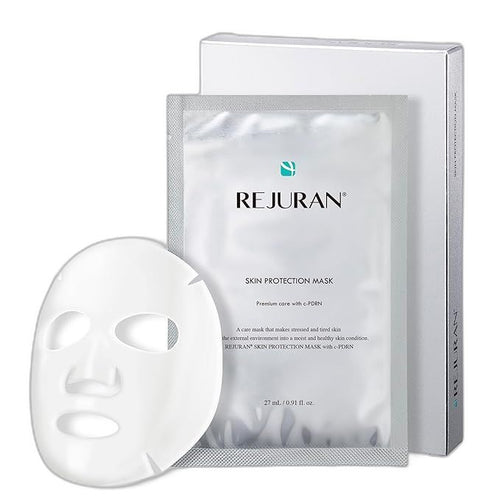
Combination skin wants a sunscreen that controls shine on the T-zone without drying out the cheeks. The VT PDRN Moist Tone Up Sun Essence is our top pick for that balance, with the REJURAN Sunscreen and the lightweight VT Airy Sun Cream close behind. All three absorb cleanly and sit well under makeup without pilling.
Korean Sunscreen for Acne-Prone Skin: Non-Greasy Protection
Acne-prone skin does best with light, non-comedogenic formulas that will not sit heavily on the pores. The AXIS-Y Biome Double Defense Sunscreen leads here with a soft matte finish, and the AESTURA Derma UV 365 Vita-C Radiance and innisfree Vita-C Tone Up add gentle brightening without a thick, pore-clogging layer. Always double cleanse at night to remove SPF fully.
Korean Sunscreen for Rosacea and Redness-Prone Skin: Calm Daily Options
Reactive and rosacea-prone skin needs a low-irritant filter that will not trigger flushing. The REJURAN Sunscreen and REJURAN Water Capsule Sun Serum are gentle daily picks, and the AXIS-Y Biome Double Defense adds barrier support to keep redness in check.
Korean Sunscreen for Men: Fast, No-Fuss Formulas
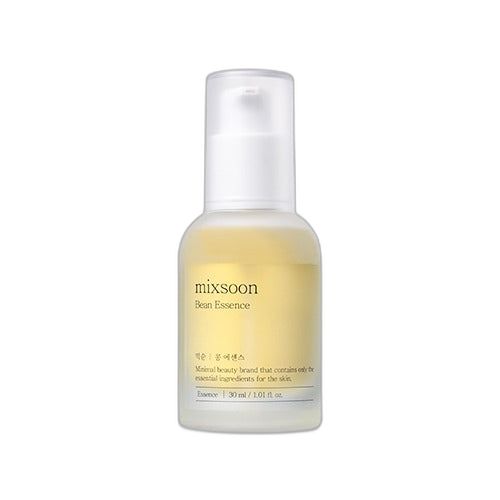
For a quick routine, a stick or serum format wins. The mixsoon Bean Sun Stick glides on fast, even over facial hair, while the REJURAN Water Capsule Sun Serum and AXIS-Y Biome Double Defense absorb quickly with no white cast or greasy shine.
Korean Sunscreen for Teens: Light and Easy to Reapply
Teens want something light they will actually reapply through the day. The VT PDRN Essence Glow Sun Pact makes on-the-go touch-ups easy, and the Abib Airy Sun Stick and VT Airy Sun Cream are simple, affordable daily picks that wear well under a busy schedule.
You can browse all of these in our Korean sunscreen collection.
How to Layer Sunscreen in Your K-Beauty Routine
Proper sunscreen placement within your K-beauty routine ensures maximum protection without pilling, balling, or disrupting your other skincare products. Here is the correct order.
The Correct Layering Order
- Cleanser (morning cleanse -- water or gentle foaming cleanser)
- Toner (hydrating toner to prep skin)
- Essence / Serum (treatment products)
- Moisturizer (if needed -- can skip if your sunscreen is sufficiently hydrating)
- Sunscreen (ALWAYS the last skincare step, before makeup)
- Makeup (primer, foundation, etc.)
Critical Application Tips
Wait between layers: After applying your moisturizer (or your last skincare step before sunscreen), wait 1-2 minutes for it to absorb before applying sunscreen. This prevents pilling and ensures the sunscreen forms an even protective film.
Use the right amount: The standard recommendation is 1/4 teaspoon (approximately 1.25 ml) for the face alone. The popular "two-finger rule" -- squeezing a line of sunscreen along two fingers -- provides a good visual guide. Using too little dramatically reduces your actual SPF protection.
Apply in sections: Rather than dotting sunscreen all over your face at once, apply it in sections -- one cheek at a time, then the forehead, then the nose and chin. This ensures more even coverage.
Do not rub vigorously: Gently pat and press the sunscreen into your skin rather than rubbing it in aggressively. This helps maintain an even layer of protection.
For more details on product ordering, see our comprehensive guide to the best Korean sunscreen for face.
Key Takeaway
Sunscreen is always the last step in your skincare routine and the first step before makeup. Use at least 1/4 teaspoon for the face and wait for previous layers to absorb before applying SPF to prevent pilling.
Sunscreen Under Makeup: Tips for Flawless Application
One of the most common questions about Korean sunscreens is how to wear them under makeup without pilling, separation, or a cakey finish. Korean sunscreens excel in this area because many are specifically designed to serve as makeup primers.
Choosing a Makeup-Friendly Sunscreen
- Silicone-based sunscreens create a smooth, blurring base that helps foundation glide on evenly
- Quick-drying formulas set faster, reducing the chance of pilling when makeup is applied on top
- Semi-matte finishes provide the best base for liquid and powder foundations
- Tinted sunscreens can replace primer and light foundation for a simplified routine
Application Steps for Sunscreen Under Makeup
- Apply sunscreen generously using the two-finger rule
- Wait a full 3-5 minutes for the sunscreen to set completely -- this is crucial for preventing pilling
- Lightly press a beauty sponge over your face to absorb any excess and create a smooth canvas
- Apply primer if desired (though many Korean sunscreens eliminate the need for a separate primer)
- Apply foundation by pressing and patting rather than rubbing or buffing
The Beauty of Joseon Relief Sun doubles as an excellent makeup primer thanks to its skin-like, non-greasy finish.
Avoiding Pilling
Pilling -- those annoying little balls of product that form on the skin -- usually happens when sunscreen has not fully absorbed before the next product is applied, or when water-based and silicone-based products are layered incompatibly. To minimize pilling:
- Ensure your moisturizer and sunscreen have compatible bases (water with water, silicone with silicone)
- Always wait for each layer to absorb fully
- Use patting rather than rubbing motions when applying makeup over sunscreen
- Consider skipping heavy moisturizer if your sunscreen already provides adequate hydration
Sunscreen Reapplication: How and When
Even the best sunscreen loses effectiveness over time due to UV degradation, sweat, sebum production, and physical removal through touching your face. Reapplication is essential for maintaining protection throughout the day.
When to Reapply
- Every 2 hours of continuous sun exposure (outdoor activities, beach, sports)
- Every 4-5 hours for indoor/mixed exposure with brief outdoor time (commuting, lunch breaks)
- Immediately after swimming, heavy sweating, or towel-drying
- After prolonged touching or rubbing of the face
How to Reapply Over Makeup
This is where Korean sunscreen innovation really shines. Here are practical strategies for reapplication without ruining your makeup:
Sunscreen Sticks: Compact, mess-free sunscreen sticks allow you to gently glide SPF over your makeup without disturbing it. They are perfect for carrying in your bag.
SPF Cushions: Korean SPF cushion compacts let you pat additional sun protection over makeup, simultaneously refreshing your complexion. Many offer light coverage that corrects any midday makeup fade.
Setting Sprays with SPF: SPF mist sprays provide a light reapplication over makeup, though they should be considered supplementary rather than primary protection due to the difficulty of applying an adequate amount.
The Blot-and-Reapply Method: Blot excess oil with blotting paper, then apply a thin layer of a quick-absorbing sunscreen. Wait 2 minutes, then lightly set with a mineral powder if desired.
Top Korean Sunscreens Compared: Our Complete Roundup
After years of testing and reviewing Korean sunscreens, here are our top recommendations organized by category. Each product has been evaluated for UV protection, texture, white cast, longevity, and compatibility with different skin types.
Best Overall Korean Sunscreen
Beauty of Joseon Relief Sun: Rice + Probiotics SPF50+ PA++++ -- This sunscreen consistently earns its place as our top recommendation for a reason. The rice extract provides gentle brightening, the probiotics support skin health, and the texture is universally flattering. It works for nearly all skin types and sits beautifully under makeup. Explore our full comparison with Round Lab's sunscreen to see how they stack up.
Best for Oily Skin
TOCOBO Bio Watery Sun Cream SPF50 PA++++ -- The genuinely watery texture absorbs instantly and controls oil throughout the day without a chalky matte finish. Botanical ingredients keep the skin balanced rather than stripped.
Best for Dry Skin
Round Lab Birch Juice Moisturizing Sunscreen SPF 50+ PA++++ -- Birch sap delivers lasting hydration while the creamy formula nourishes dry skin. The dewy finish is a bonus for anyone wanting a healthy, lit-from-within glow.
Best for Sensitive Skin
Anua Heartleaf Silky Moisture Sunscreen SPF50+ PA++++ -- With 50% heartleaf extract, this sunscreen actively calms irritation while protecting. The gentle formula is fragrance-free and suitable for reactive skin types. For another excellent sensitive skin option, read our AXIS-Y Physical Sunscreen review.
Best Budget Pick
For those watching their budget, many Korean sunscreens offer exceptional value. Our 2026 best Korean sunscreens roundup includes options at every price point.
For sun damage repair and prevention strategies, see our article on how to treat sun damaged skin.
Browse Our Complete Korean Sunscreen Collection
Quick Comparison Chart
| Product | Best For | Finish | White Cast |
|---|---|---|---|
| Beauty of Joseon Relief Sun | All skin types | Natural/Dewy | None |
| TOCOBO Bio Watery Sun Cream | Oily skin | Semi-matte | None |
| Round Lab Birch Juice | Dry skin | Dewy | None |
| Anua Heartleaf Sunscreen | Sensitive skin | Silky natural | Minimal |
Frequently Asked Questions About Korean Sunscreen
Do Korean sunscreens provide enough protection?
Absolutely. Korean sunscreens undergo rigorous testing under MFDS (Korea's FDA equivalent) regulations. Products labeled SPF 50+ PA++++ provide excellent broad-spectrum protection against both UVA and UVB rays. In fact, many Korean sunscreens use newer-generation UV filters not yet approved in the US, offering superior protection with better photostability.
Why do Korean sunscreens feel so much lighter than Western ones?
Korean sunscreens use advanced UV filters (like Tinosorb and Uvinul variants) that provide strong protection at lower concentrations, allowing for lighter, more elegant formulations. Korean beauty culture also places enormous emphasis on texture and wearability, driving brands to innovate relentlessly on the cosmetic elegance of their SPF products.
Can I skip moisturizer if my Korean sunscreen is hydrating?
Yes, many Korean sunscreens are formulated with enough hydrating ingredients to serve as a moisturizer-sunscreen hybrid. If your sunscreen contains hyaluronic acid, ceramides, or other moisturizing ingredients and your skin feels comfortable without a separate moisturizer, you can simplify your morning routine. However, if you have dry skin or use active treatments, keeping a separate moisturizer provides an additional hydration buffer.
Do Korean sunscreens leave a white cast?
Most Korean chemical and hybrid sunscreens leave zero white cast. Korean mineral sunscreens have also made significant progress in reducing white cast through micronization technology and tinted formulas. However, some mineral sunscreens may still leave a slight cast on deeper skin tones. When shopping, look for reviews from people with a similar skin tone to yours, or opt for chemical formulas for a guaranteed cast-free experience.
How often should I reapply Korean sunscreen?
Reapply every 2 hours during continuous sun exposure (outdoor activities, beach, sports). For daily indoor activities with brief outdoor exposure (commuting, lunch), reapplying every 4-5 hours is generally sufficient. After swimming, heavy sweating, or towel-drying, reapply immediately regardless of the time elapsed.
Are Korean sunscreens safe during pregnancy?
Most Korean sunscreens are considered safe during pregnancy. However, if you have concerns, opt for mineral sunscreens containing only zinc oxide and/or titanium dioxide, as these sit on the skin's surface rather than being absorbed. Always consult your healthcare provider for personalized advice, and avoid sunscreens containing oxybenzone, which has raised some safety questions.