d'Alba is the strangest brand on this list because it is technically Italian. Founded in Korea but built around Piedmont white truffle, the brand has spent the last decade carving out a luxury K-beauty position that the bigger brands like Innisfree and Torriden do not really compete in. And it works. d'Alba quietly became Korea's top-grossing indie skincare brand a few years ago, and the spray serum has now sold more than 7 million bottles.
Here is my honest d'Alba skincare review after six weeks on the core lineup, including the famous First Spray Serum and a couple of the sunscreens. The Mirai Skin review of the spray serum specifically goes deeper on that product. This article looks at the brand as a whole.
I want to set expectations early. d'Alba is a brand that sells a feeling more than a fix. The packaging is gorgeous, the textures are luxurious, and the products feel expensive even when they are not. None of that is bad. K-beauty is partly about experience, and d'Alba has invested heavily in the experiential side. But if you walk in expecting transformative skincare results, you will probably be disappointed. The brand's strength is in finish and atmosphere, not in active correction.
About the Brand
d'Alba Piedmont launched in 2014 under CEO and founder Ban Seong-yeon. The brand name means from Alba, the truffle capital of the Piedmont region of Italy. The hero ingredient is white truffle oil sourced from Piedmont, paired with vitamin E into a proprietary blend the brand calls Trufferol. The whole story trades on the rarity of white truffle as an ingredient, which is real. White truffles are harvested seasonally and command serious prices in the culinary world.
The whole positioning is luxury-meets-Italian. The packaging is matte black and gold. The marketing is more European than Korean. The price points sit in the upper-mid range of K-beauty. And the brand is fully vegan, which is unusual at this tier. Most luxury skincare lines lean on animal-derived ingredients like collagen or lanolin. d'Alba uses plant alternatives across the board.
The First Spray Serum got real attention in the US when it topped Amazon's face mist bestseller charts in late 2024, and the brand has continued building international distribution through Sephora, Ulta, and curated K-beauty retailers since then.
What They're Known For
- White Truffle First Spray Serum. The icon. A hydrating spray serum with white truffle, vitamin E, and squalane. Acts as serum, mist, and setting spray. The whole brand's reputation rests on this one product, which has sold over 7 million bottles globally.
- First Aromatic Spray Serum. The scented version of the First Spray. Same base, slightly different scent profile. Polarizing. Some people love the soft floral note. Others find it intrusive.
- Waterful Tone-Up Sunscreen. One of the brand's better sunscreens, with a soft brightening finish and lightweight texture. Pairs well with the spray serum as a complete glow-focused routine.
- White Truffle Vital Cream. The richer moisturizer companion to the spray serum. Genuinely nice but less iconic.
- White Truffle Cleansing Foam. Soft, gentle, with the same truffle and vitamin E story translated into a cleanser. Not the highlight of the brand but a coherent addition.
My Honest Take
The flaw first. The First Spray Serum is excellent at what it does, but what it does is more limited than the marketing suggests. It is a hydrating mist with a glow. It is not, by itself, going to fix dullness, fine lines, or texture concerns. It is a great finisher, a great refresher, a great mid-makeup pick-me-up. It is not a treatment. People who buy it expecting transformative results are looking at the wrong product, and the brand could be clearer about that.
The second honest beat is the price-to-volume math. The 100ml bottle is around 40 dollars. It is not expensive for what it is, but you go through it fast if you use it the way the brand recommends, which is twice daily as a serum-mist and again throughout the day as a refresher. Plan on running through a bottle every two months if you use it as intended. Across a year that adds up.
The third honest beat is the catalog past the spray serum. The Vital Cream is good. The sunscreens are good. The cleanser is fine. None of them are iconic the way the spray serum is, and a lot of buyers come into d'Alba for one product and never explore the rest. That is fair, but it means the brand essentially lives or dies on the spray.
What I love is the finish. There is a soft, satin glow that lands after the spray dries that I have not gotten from any other K-beauty mist. It does not look wet. It does not look powdered. It looks like the kind of light skin a celebrity makeup artist creates and then gatekeeps the technique. The product genuinely does its job, and the spray-format application is faster and more pleasant than reaching for a dropper bottle, especially in the middle of the day.
I should also note that the brand handles its luxury positioning well. The packaging feels expensive without being flashy. The unboxing experience is calm rather than gimmicky. And the brand has resisted the temptation to dilute the spray serum across endless variants, which is a quiet kind of discipline.
The Waterful Tone-Up Sunscreen is worth understanding as a separate product. It is not just a sunscreen with the d'Alba brand on it. It actually layers well into the spray serum routine, with a soft brightening pigment that gives the skin a similar satin finish to the spray serum but in a daytime SPF format. If you love the spray serum and want a sunscreen that matches the brand's finish goals, this is the natural pairing. It is also one of the better-formulated K-beauty tone-up sunscreens I have tested, with a reasonable cast for lighter skin tones and a non-greasy texture that does not pill under makeup.
The White Truffle Vital Cream is the sleeper hit of the brand. The spray serum gets all the attention, but the cream is genuinely lovely. It is rich without being heavy, with a buttery texture that melts on contact and never feels occlusive. If you want a nighttime cream that matches the brand's premium positioning, the Vital Cream is the natural partner to the spray serum. Together they form a small but coherent two-step luxury routine that punches well above its price.
One thing I want to push back on is the perception that d'Alba is overpriced for what it delivers. The First Spray Serum at around 40 dollars for 100ml is actually a reasonable value when you compare it to Western mist competitors like Tatcha, Caudalie, or Mario Badescu, which sit at similar or higher prices for smaller bottles and less interesting formulations. The brand wears its luxury positioning more loudly than its price tag warrants. You are not paying Sulwhasoo prices for the spray serum. You are paying COSRX-plus prices for a more polished version of a hydrating mist.
I should also mention the brand's Italian credentialing question. Some buyers have pointed out that d'Alba's Italian story is more of a marketing positioning than a manufacturing reality. The brand is registered in Korea, manufactured in Korea, and run by Korean leadership. The truffles are sourced from Piedmont, which is the real Italian connection, but the rest of the brand story is essentially Korean indie skincare with Italian ingredient sourcing. I do not think that is dishonest, but if you are buying d'Alba expecting an Italian beauty brand in the European tradition, you should know the actual structure. It is a Korean brand that uses Italian truffles.
Best For / Skip If
Best for: dehydrated skin, makeup wearers who want a setting and refreshing spray that adds glow without breaking the makeup, anyone in air-conditioned environments all day, and luxury-leaning K-beauty buyers who want something that feels indulgent without crossing into Sulwhasoo prices. Also great as a gift product because the packaging looks more expensive than the price tag.
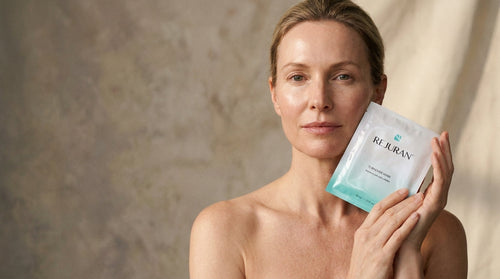
Skip if: you have very oily skin and do not want extra glow, you are on a tight budget, or you want a heavy-duty treatment serum. d'Alba is a mood and finish brand. It is not built for active correction. If you need treatment, look at the REJURAN collection for serious clinical-tier ampoules.
Common Complaints
The most common complaint is the spray nozzle. People describe the mist as more wet than they expect, with bigger droplets than a true atomizer. Some love this. Some find it splotchy. Spray from further away than you think to get an even mist, and shake the bottle before each use.
The second is the scent. The classic spray serum has a soft scent that some buyers love and some find too floral. If you are scent-sensitive, smell before you commit, and pick the standard White Truffle First Spray over the Aromatic version. The unscented version is not truly fragrance-free but it is much softer.
The third complaint, mostly online, is the question of whether truffle does anything for skin. The honest answer is the truffle is mostly a luxury positioning ingredient. The vitamin E, squalane, and supporting humectants do most of the actual work. The truffle is real. The marketing weight on it is heavy. If you removed the truffle and kept everything else, the product would still perform similarly.
The fourth, niche but real, is shelf life. Once you start using a bottle, the spray serum is best within four to six months of opening. People who hoard multiple bottles end up using older product that has lost some of its freshness. Buy one at a time.
How It Compares
Two comparisons. First, against Torriden. Torriden DIVE-IN is a more focused hydration product. d'Alba is more about finish and luxury feel. If you want pure hydration, Torriden. If you want a setting mist that adds glow on top of hydration, d'Alba. They actually work well together, with Torriden as the foundational serum and d'Alba as the finishing spray.
Second is the Tatcha Luminous Dewy Skin Mist, the obvious Western comparison. Tatcha is similar in finish and price. d'Alba is a better serum mist with more skincare-active framing. Tatcha is more setting spray with a luxury Japanese angle. Reasonable people pick either.
Third, in the broader K-beauty premium tier, d'Alba sits alongside brands like BIO HEAL BOH in the upper-mid range. BIO HEAL BOH is more clinical and firmness-focused. d'Alba is more glow and luxury. Different rooms in the same hotel.
Where to Buy
d'Alba is increasingly available in mainstream channels, but the global stock is uneven and counterfeits are out there. Buy from a real retailer. The Mirai Skin d'Alba collection stocks the spray serum and the sunscreen line with proper sourcing, and the batch codes are verifiable.
Final Verdict
d'Alba earned its place at the top of Korea's indie skincare market. The First Spray Serum is genuinely iconic for a reason: it does one thing very well, which is deliver hydration and a soft satin glow in one step. The rest of the catalog is solid but does not match the spray serum's gravity.
If you want a single d'Alba product, buy the White Truffle First Spray Serum and use it as a setting mist and afternoon refresh. That is the whole brand experience in one bottle. Add the Waterful Tone-Up Sunscreen if you like the brand and want a coherent daily routine. Pair it with a stronger hydration base from a brand like Innisfree or Torriden, and a calm anchor like Pyunkang Yul as your toner. That stack is luxurious without being silly expensive.